The Enchanting Sea Horses: Nature’s Miniature Marine Marvels


Marine Biology
The Enchanting Sea Horses: Nature’s Miniature Marine Marvels

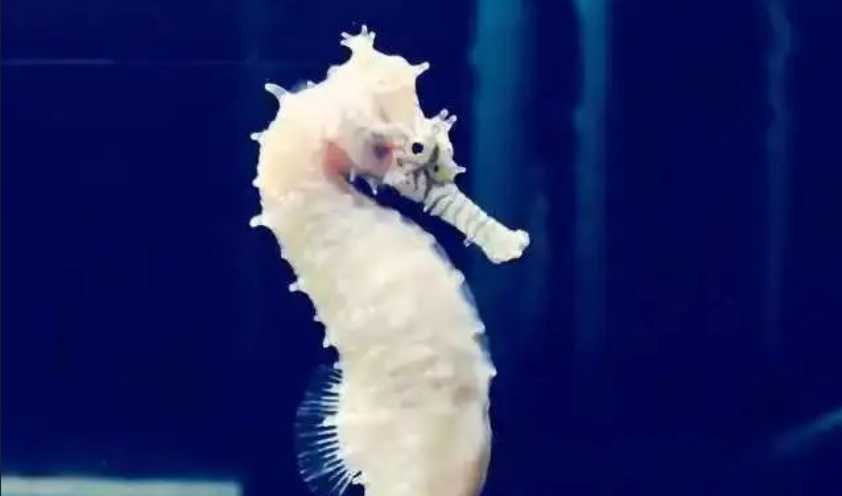
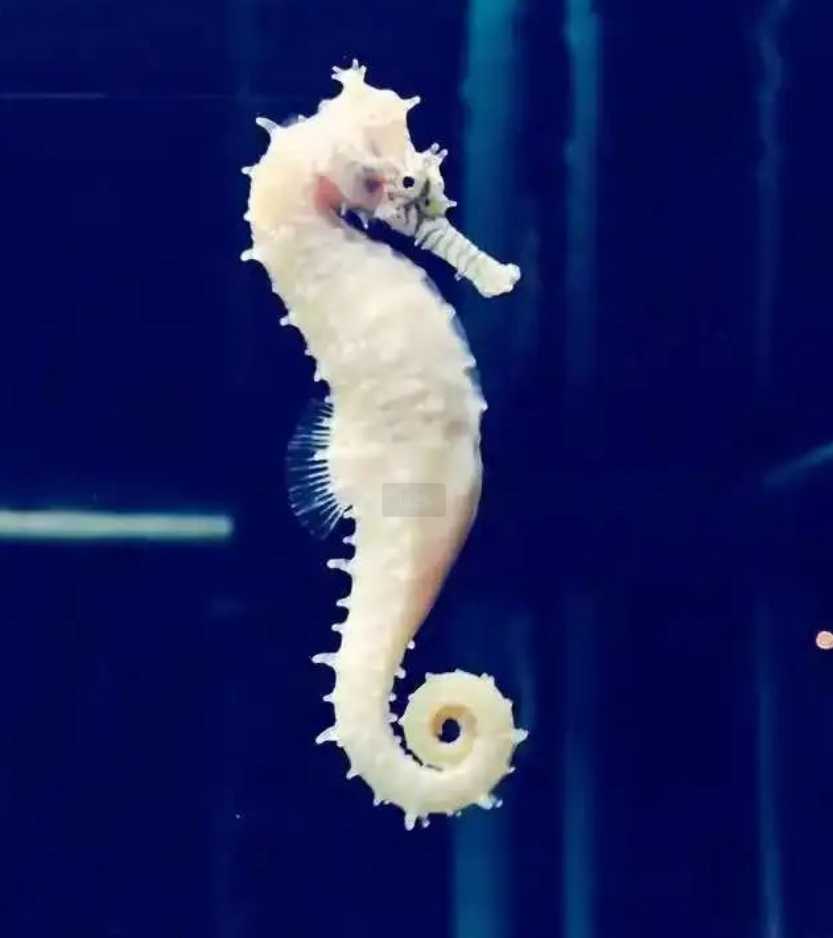
While it’s no secret that sea horses aren’t horses, these captivating creatures have long charmed observers with their whimsical appearance and unique behaviors. Belonging to the Syngnathidae family of bony fish, sea horses inhabit tropical and temperate shallow waters, ranging in size from 5 to 30 centimeters. Unlike most fish, they boast a suite of adaptations that make them stand out as true oddities of the ocean.
Source: Images from the Internet, if there is any infringement, please contact the removal of


Perhaps the most striking feature of sea horses is their equine-inspired head shape, complete with a long, tubular snout and large, expressive eyes that swivel independently—a design perfectly suited for precision feeding on tiny plankton and crustaceans. Their curled, prehensile tails act like tiny grappling hooks, allowing them to cling to seagrass, coral, or sponges in strong currents. Unlike other fish, sea horses swim upright, propelled by the rapid fluttering of a dorsal fin that resembles a tiny fan, while pectoral fins near their heads help with steering. This delicate, almost robotic movement gives them an otherworldly grace, as if they’re floating through a marine fairy tale.


Adding to their allure is the sea horse’s unique reproductive strategy: male sea horses possess a specialized brood pouch on their abdomens, where they incubate fertilized eggs until the tiny fry are ready to hatch. This role reversal in parenting is rare in the animal kingdom and has made sea horses symbols of paternal care. Though their diminutive size and slow swimming make them vulnerable to pollution and habitat loss, their enchanting appearance continues to captivate divers and marine enthusiasts. As they cling to underwater vegetation, their intricate patterns and gentle demeanor serve as a reminder of the ocean’s endless capacity to inspire wonder—one tiny, upright swimmer at a time.
Latest Stories
Feline News2 minute readThe Oriental Longhair, a breed celebrated for its elegance and intelligence, traces its roots to mid-20th-century breeding programs aimed at expanding the color and pattern diversity of Siamese cats . Developed through crosses with breeds like Russian Blues and British Shorthairs, these cats gained recognition in the 1970s and were officially acknowledged by The International Cat Association (TICA) in 1979 and the Cat Fanciers' Association (CFA) in 1995 .
Feline News2 minute readThe Korat cat, originating from Thailand’s Nakhon Ratchasima province (formerly Korat), is a breed deeply rooted in history and cultural significance. Revered for centuries as a symbol of good luck and prosperity, these silver-blue felines have enchanted the world with their striking appearance and affectionate nature.
Feline News2 minute readA heartwarming tale of survival and companionship has thrust the Munchkin cat into the global spotlight, showcasing the breed’s unique charm and indomitable spirit. Mochi, an 8-month-old Munchkin rescued from a life-threatening illness, has become an international symbol of hope, embodying the resilience and playful nature that define these short-legged felines.
Travel News2 minute readPerched atop an 82-meter volcanic plug in Le Puy-en-Velay, France, the Chapelle Saint-Michel d’Aiguilhe stands as a testament to faith and engineering prowess. Built in 962 AD, this architectural marvel balances precariously on a basaltic rock formation, blending Romanesque austerity with Moorish-inspired ornamentation to create one of Europe’s most dramatic religious landmarks.
Feline News2 minute readRagamuffin cats, affectionately known as "muffins," have captured the hearts of cat lovers worldwide with their plush coats, docile personalities, and striking appearance. Originating in the United States in the 1990s, this breed emerged from a group of breeders seeking to expand the genetic diversity of Ragdoll cats. By crossing Ragdolls with Persians, Himalayans, and other long-haired breeds, they created a larger, more robust feline with a broader range of coat colors and patterns
Canine News2 minute readOriginating in the early 20th century, the American White Shepherd traces its lineage to the German Shepherd. Due to a recessive white coat gene, these dogs were long considered "flawed" in Germany and systematically culled from breeding programs12. However, North American breeders recognized their unique appeal and selectively developed them into a distinct breed, officially acknowledged by the United Kennel Club (UKC) in 199917
Canine News1 minute readAs the world's first operational vertical/short takeoff and landing (V/STOL) fighter jet, the British-developed Harrier, nicknamed the "Jump Jet," has left an indelible mark on aviation history through its groundbreaking design and combat prowess.