1 minute read

The Goblin Shark: A Slow - Moving Predator with a Deadly Surprise

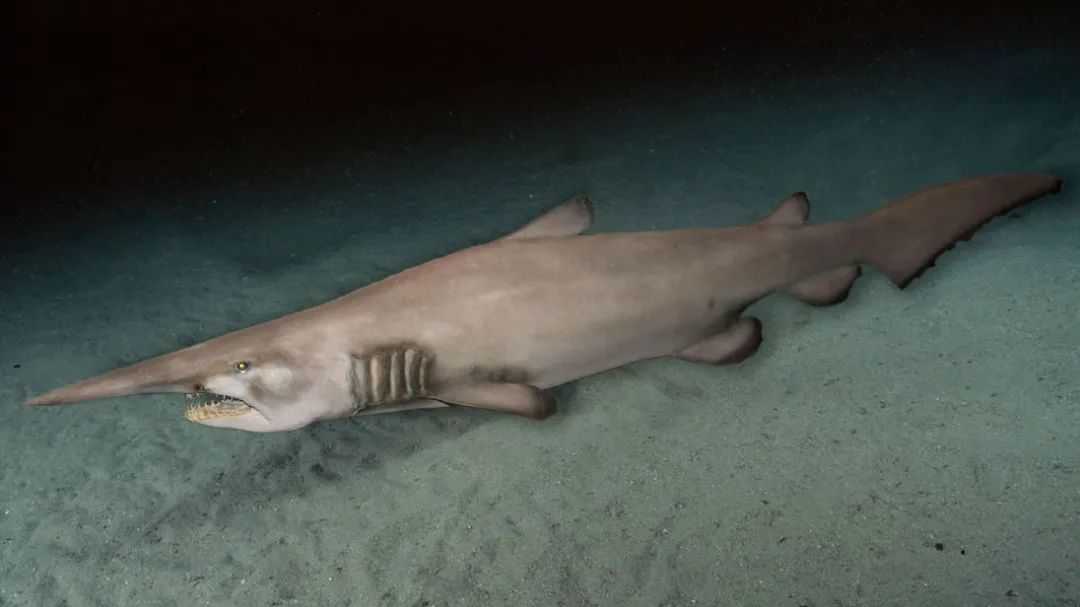
Lurking in the ocean's depths, the goblin shark, a large - sized benthic predator, earns its name from its distinctive protruding snout, which resembles a sharpened dagger. Despite its menacing appearance, this shark defies expectations with its flabby muscles and sluggish, almost lethargic swimming style, often seen leisurely drifting through the water.
The Goblin Shark: A Slow - Moving Predator with a Deadly Surprise
1 minute read

The Ocean's Laid - Back Giant: The Fascinating Sunfish

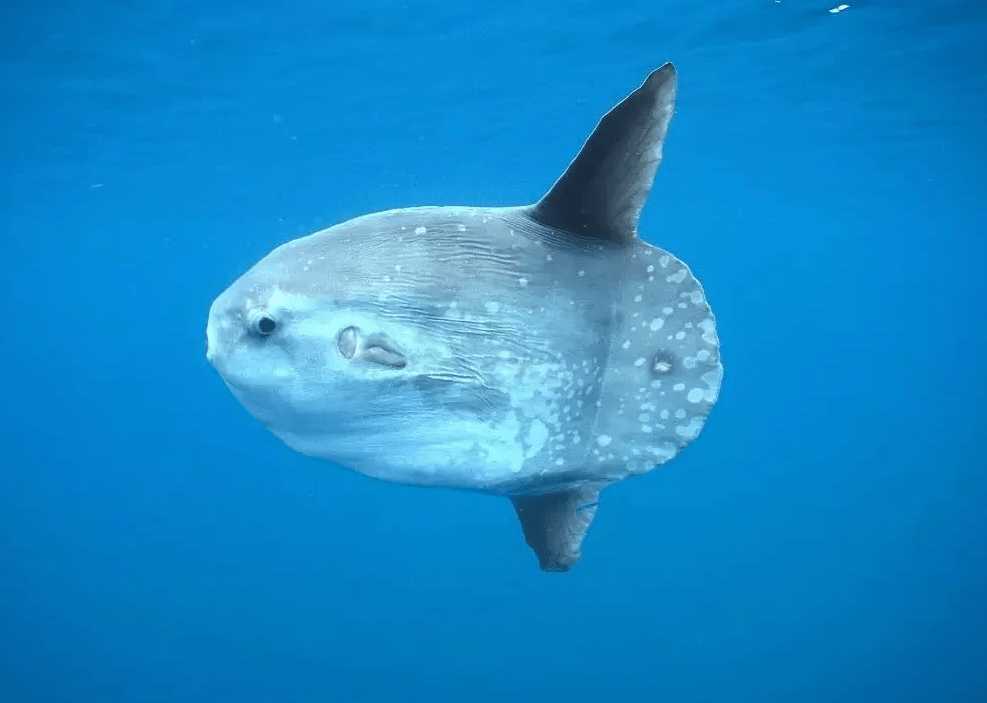
Meet the ocean sunfish, or Mola mola, the world’s heaviest bony fish. Growing up to 3 meters in length and weighing a staggering 2 tons, this gentle giant inhabits warm seas around the globe. With its distinctive flattened, disc - shaped body, a rudimentary wavy tail, and sail - like dorsal and anal fins, the sunfish cuts an unmistakable figure in the marine world.
The Ocean's Laid - Back Giant: The Fascinating Sunfish
1 minute read

The Viperfish: Sinister Predator of the Deep Sea Abyss

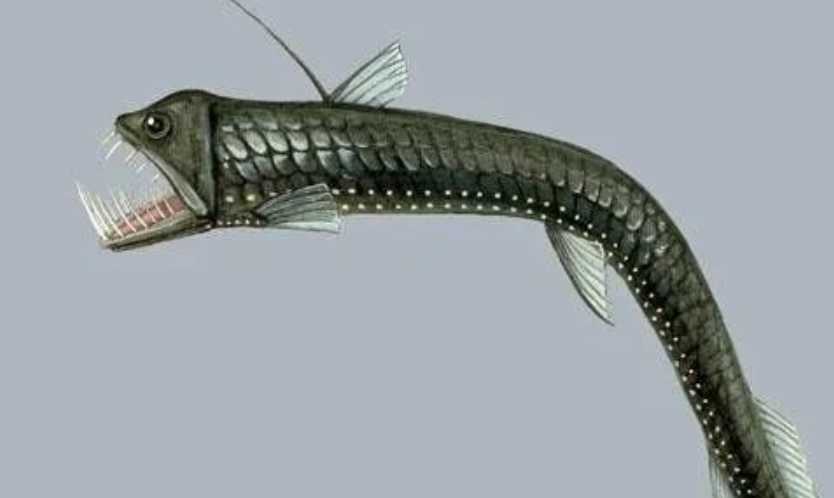
In the pitch - black depths of tropical to temperate oceans, the viperfish lurks, a small yet fearsome deep - sea fish measuring under 35 centimeters in length. Its appearance alone is enough to send shivers down one’s spine, embodying the stuff of nightmares with features that seem ripped from the pages of a horror story.
The Viperfish: Sinister Predator of the Deep Sea Abyss
1 minute read

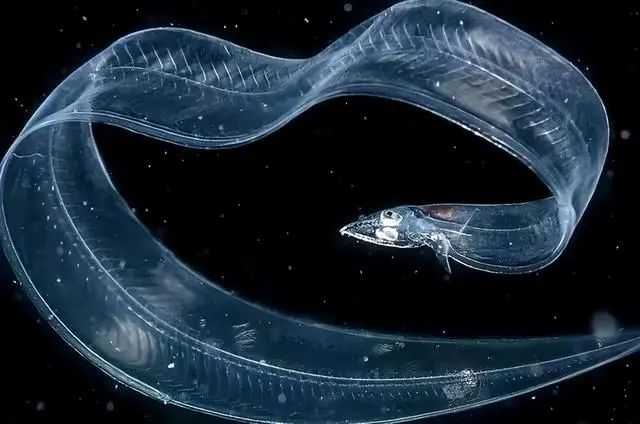
The Gulper Eel: Deep-Sea Predator with a Gargantuan Appetite

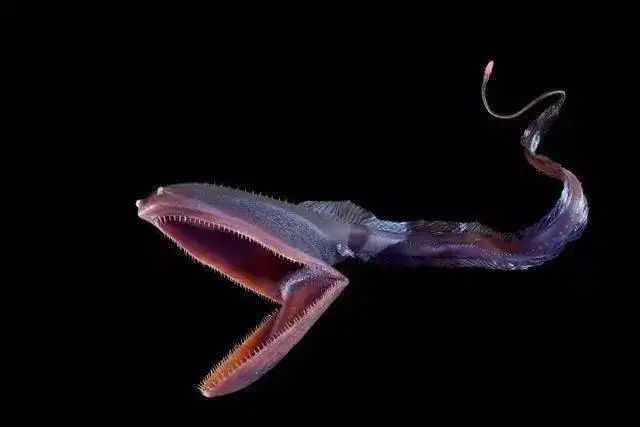
Dwelling in the abyssal depths, the gulper eel, or Eurypharynx pelecanoides, stands out as one of the ocean's most bizarre creatures. This deep-sea fish, reaching up to 1.8 meters in length, is instantly recognizable by its disproportionately large mouth and an elongated, whip-like tail that makes up three-quarters of its body. Its unusual anatomy defies typical fish morphology, hinting at a unique survival strategy in the harsh underwater environment.
The Gulper Eel: Deep-Sea Predator with a Gargantuan Appetite
1 minute read

The Majestic Emperors of the Antarctic: Adorable and Resilient

In the harsh, icy landscapes of Antarctica, the emperor penguin reigns supreme as the continent's largest penguin species. Standing at around 1.2 meters tall and weighing between 20 to 45 kilograms, these magnificent birds navigate the frigid waters, feasting primarily on fish and shrimp. Their robust build and unique adaptations allow them to thrive in one of the most extreme environments on Earth.
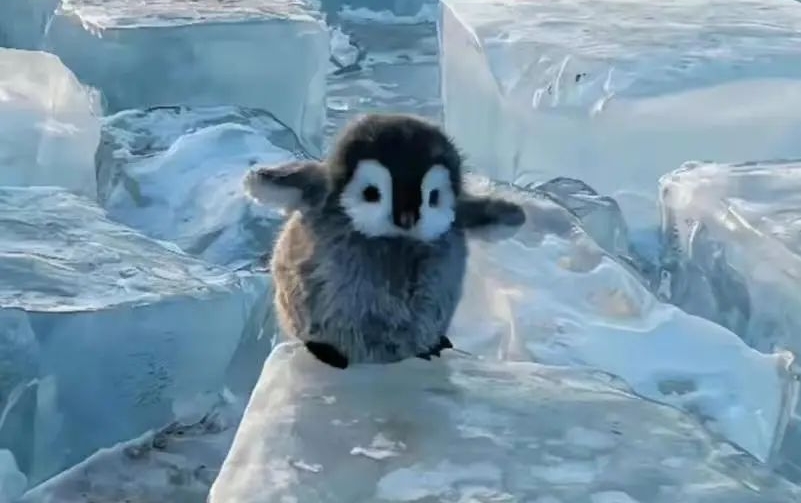
The Majestic Emperors of the Antarctic: Adorable and Resilient
1 minute read

The Charming yet Deadly Pufferfish: A Marvel of the Seas

In the temperate and tropical waters of the world's oceans, the pufferfish, with its distinctive cylindrical body and measuring 15 to 30 centimeters in length, gracefully navigates its marine habitat. Feeding mainly on shellfish and algae, this unassuming creature has evolved a unique and captivating survival strategy that sets it apart from other sea dwellers.
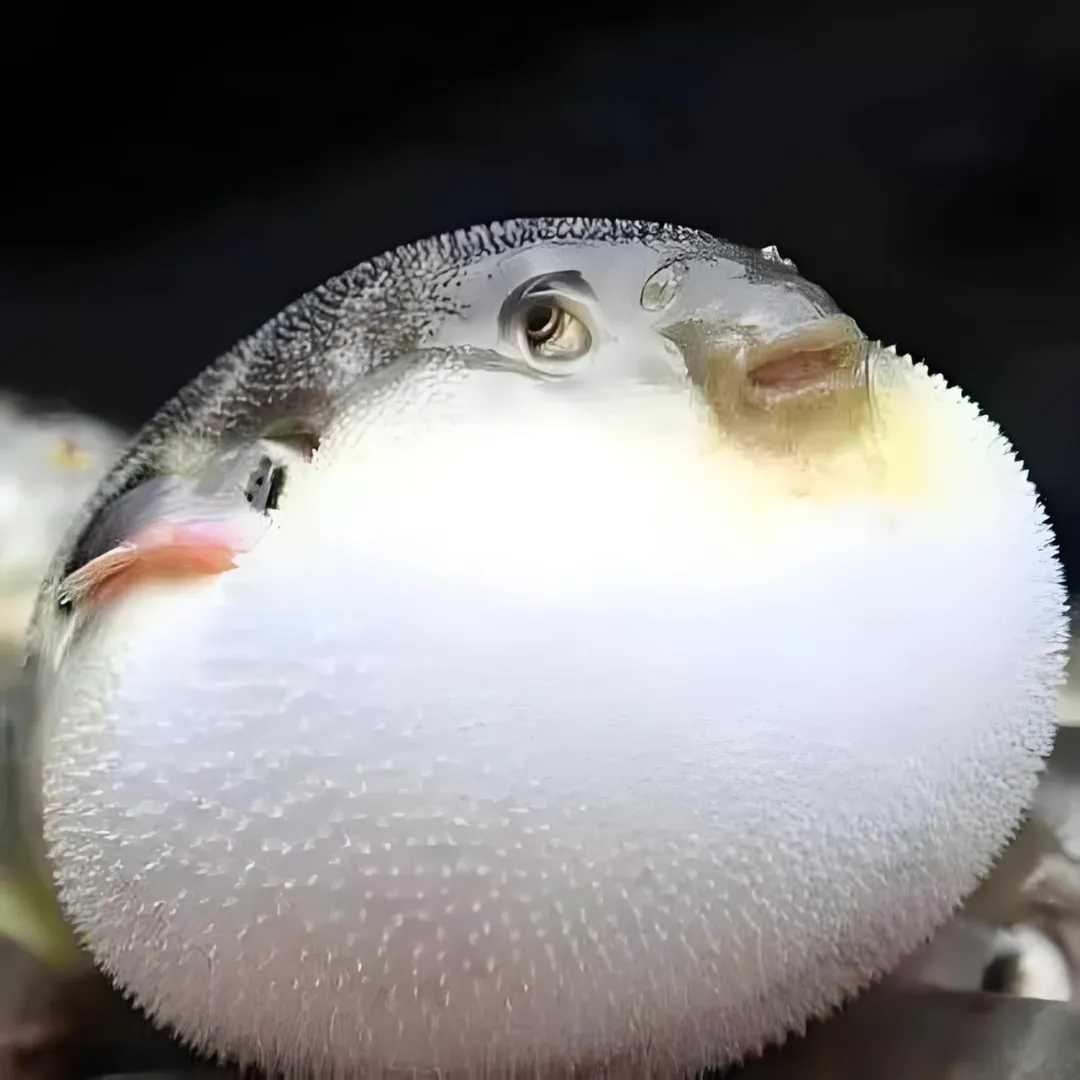
The Charming yet Deadly Pufferfish: A Marvel of the Seas
1 minute read

The "Smiling Angels" of the Arctic: Graceful White Belugas

In the icy waters of the Arctic Ocean, white belugas, a species of toothed whales, captivate all who encounter them. Growing 4 to 5 meters long and weighing between 1 to 1.5 tons as adults, these marine mammals thrive on a diet of fish and cephalopods. Their unique appearance and endearing behaviors have earned them a special place in the hearts of ocean enthusiasts.
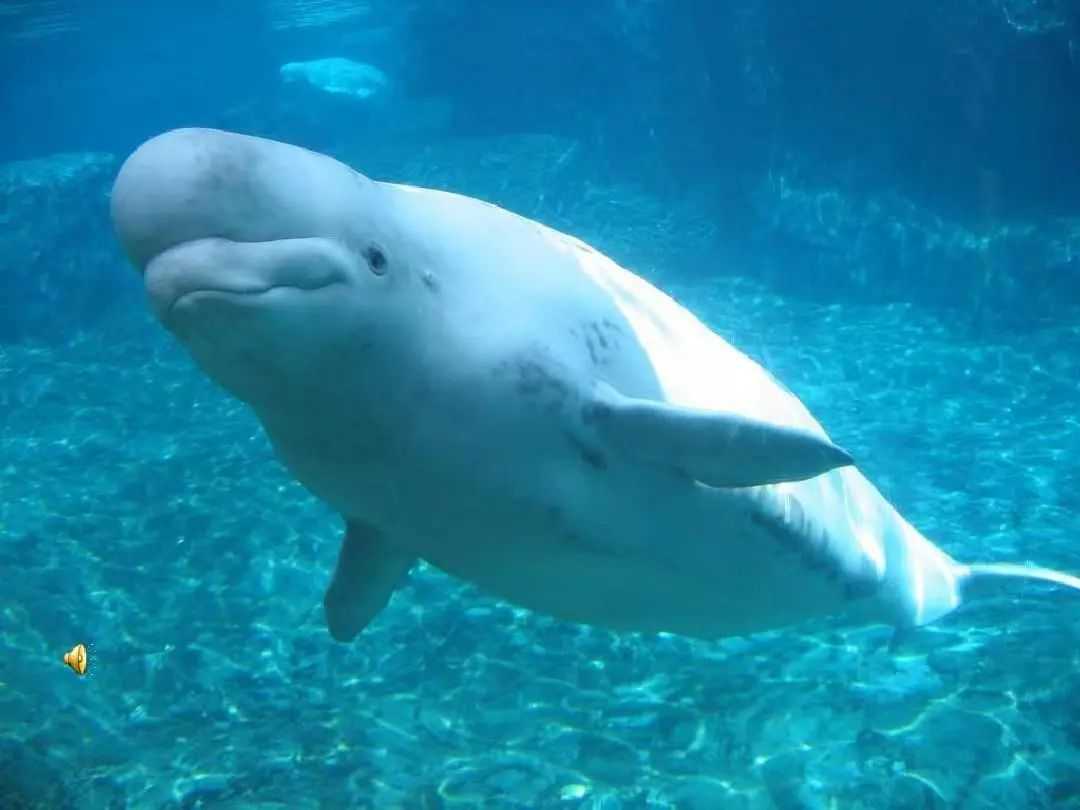
The "Smiling Angels" of the Arctic: Graceful White Belugas
1 minute read

The Vaquita: Mexico’s Critically Endangered "Sea Panda"

Native to Mexico’s Gulf of California, the vaquita is a tiny porpoise with a big heart—and an even bigger fight for survival. Measuring about 1.5 meters in length and weighing around 50 kilograms, this shy marine mammal subsists on small fish and squid. Tragically, it holds the distinction of being the world’s most endangered cetacean, with fewer than 20 individuals remaining in the wild.
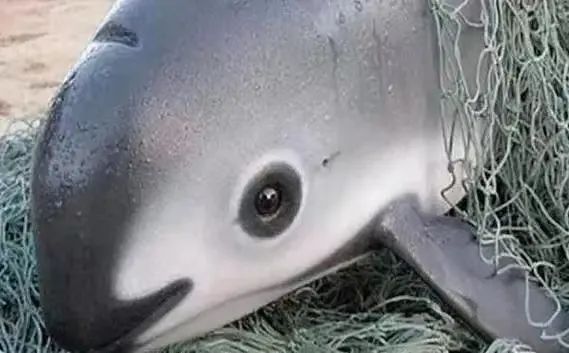
The Vaquita: Mexico’s Critically Endangered "Sea Panda"

Latest Stories
Travel News2 minute readNestled in the French Pre-Alps, the Plateau du Vercors stands as a testament to nature’s raw power and humanity’s indomitable spirit. Rising abruptly from the valleys of Isère, this limestone plateau—dominated by peaks like Grand Veymont (2,346 meters)—features sheer cliffs and labyrinthine gorges that earned it the nickname "the Natural Great Wall". Its dramatic landscapes, shaped over millennia by erosion, have not only sculpted a geological marvel but also forged a theater of historical significance.
Cultural News1 minute readSpain’s tomato-throwing "La Tomatina" is wildly popular, but for those who prefer hurling something tangier, head to Italy in February. At the Ivrea Carnival, thousands of ripe oranges are pelted in a juicy battle during the festival’s highlight.
Cultural News1 minute readIn Wuppertal, Germany, there’s a pedestrian bridge that looks like it’s built from giant Lego bricks. Though it’s actually a concrete structure, artists have painted it to mimic the iconic toy blocks, creating a playful optical illusion.
Feline News2 minute readThe European Burmese cat, a breed born from careful crossbreeding in mid-20th century Europe, has captivated cat enthusiasts with its elegant physique and affectionate nature. Originating from the American Burmese stock imported to the UK, European breeders sought to diversify the gene pool by introducing Siamese and British Shorthair bloodlines, resulting in a distinct feline with refined features. Recognized by major associations like the CFA since 2002, this breed stands out for its sleek, muscular build and striking golden or amber almond-shaped eyes, which contrast sharply with the rounde
Feline News2 minute readIn recent years, the Scottish Fold cat has become an internet sensation, celebrated for its distinctive folded ears and owl-like appearance. However, behind the adorable facade lies a dark reality rooted in genetic abnormality and ethical debate. This breed, born from a spontaneous mutation in a Scottish barn cat named Susie in 1961, has sparked global controversy over its health implications and breeding practices.
Feline News1 minute readOriginating from a spontaneous genetic mutation in 1950, the Cornish Rex emerged in Cornwall, England, when a cream-colored kitten named Kallibunker was born with a dense, wavy coat resembling a lamb’s fleece1. Recognizing its uniqueness, owner Nina Ennismore collaborated with geneticists to establish the breed. Due to the recessive nature of the mutation, breeding two Cornish Rex cats guarantees curly-coated offspring13.
Health News1 minute readOn June 30, FBI Deputy Director Dan Bongino announced the dismantling of the largest healthcare fraud case in U.S. history, with revised to $14.6 billion. The investigation covered all 50 federal districts, indicting 324 individuals—including 96 medical practitioners—and seizing $245 million in assets.