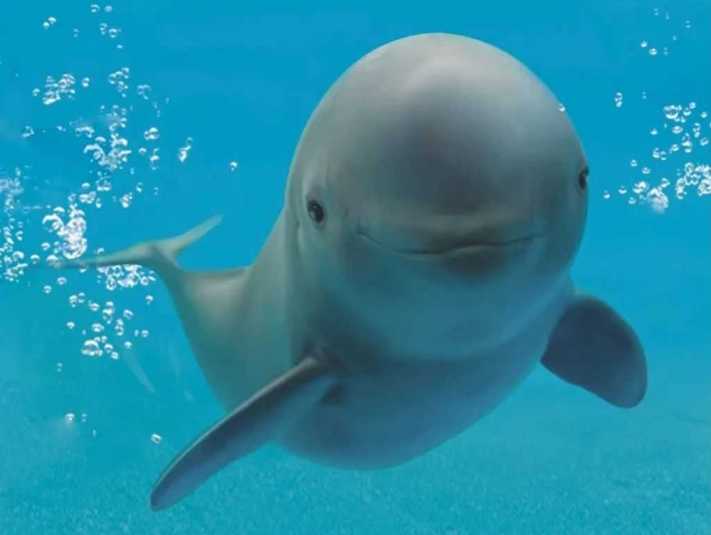
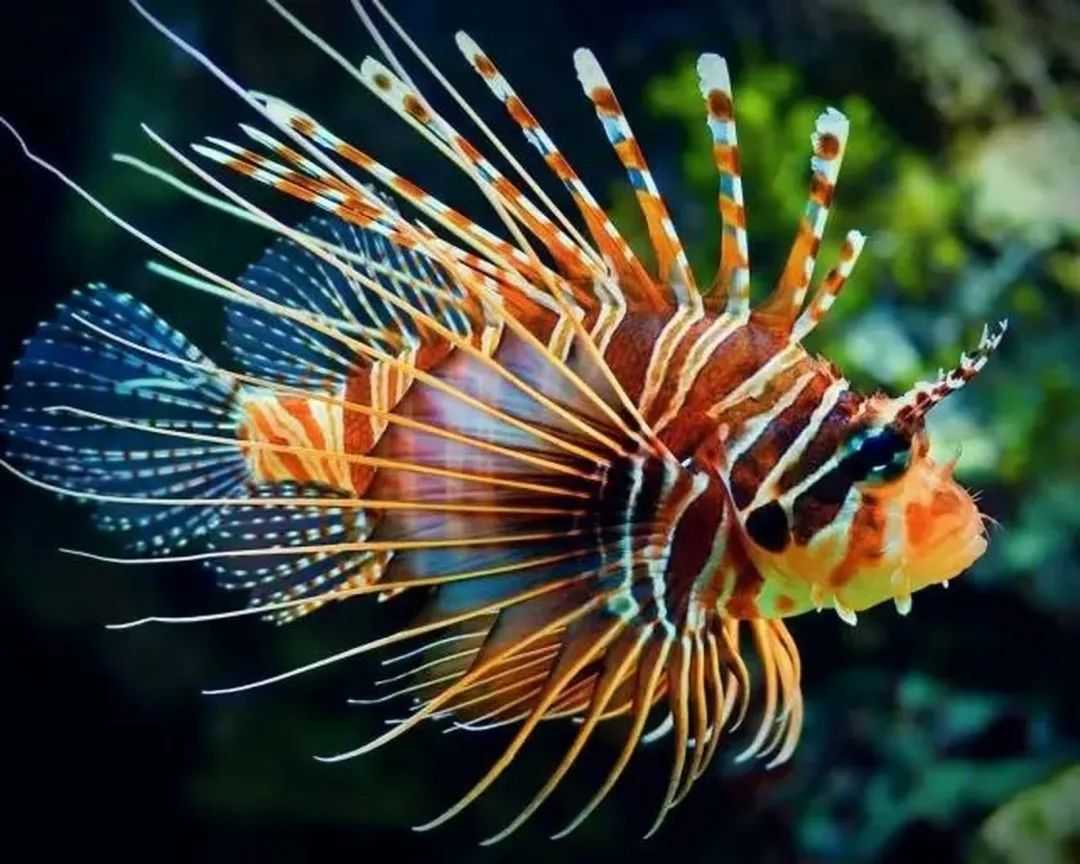
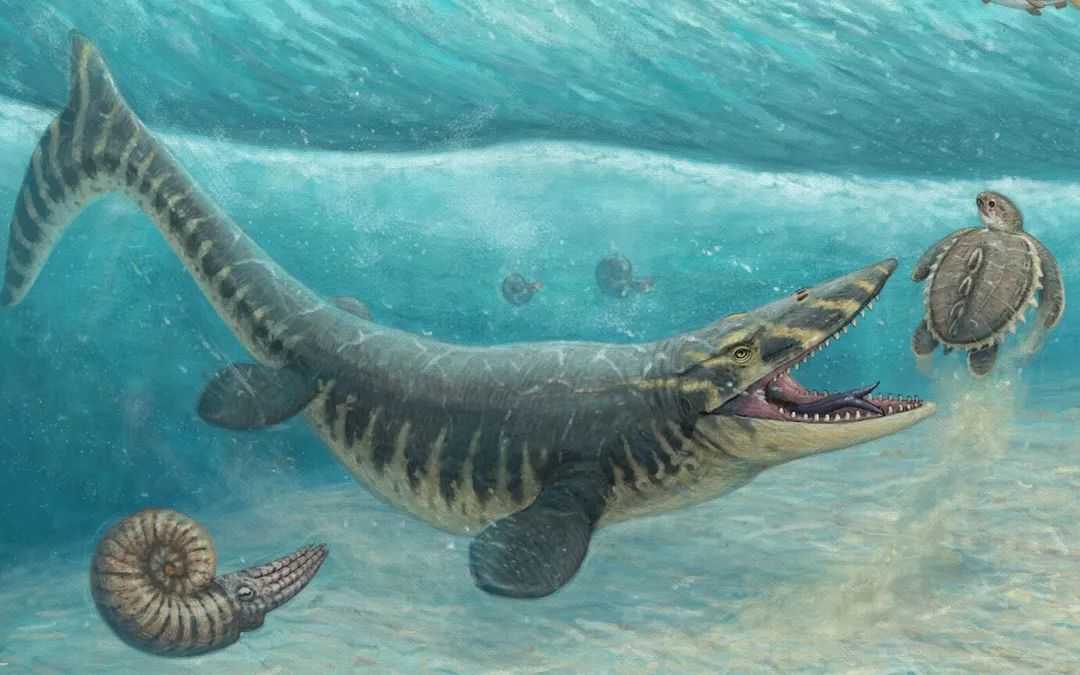
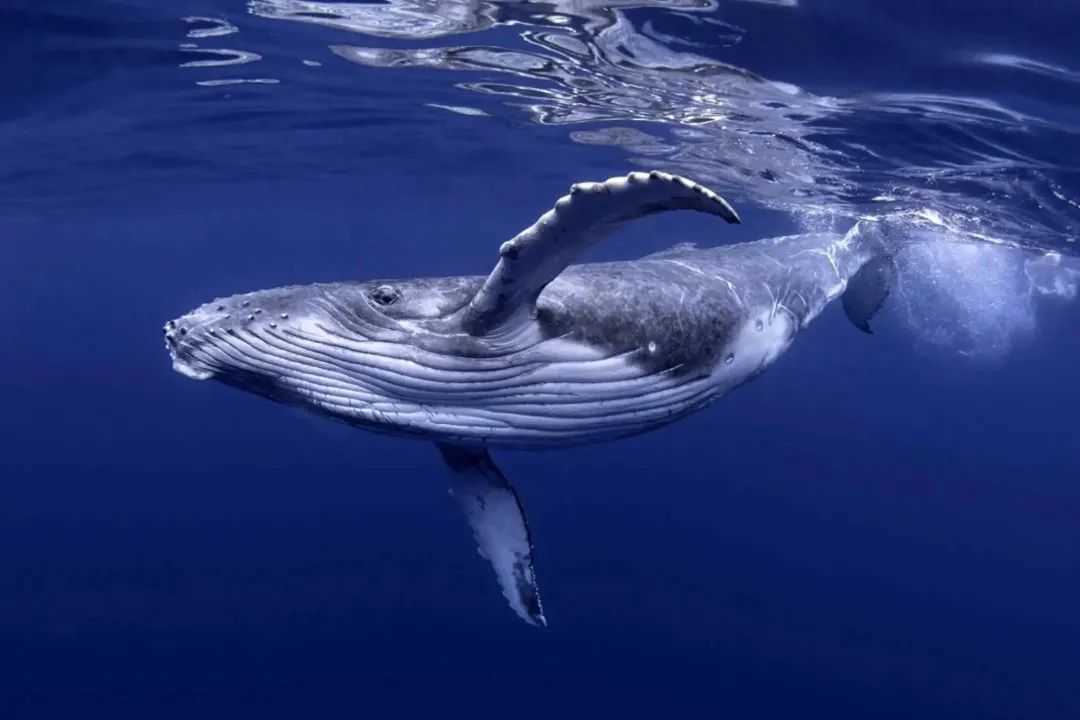
Sperm Whales: Titans of the Deep with Complex Lives
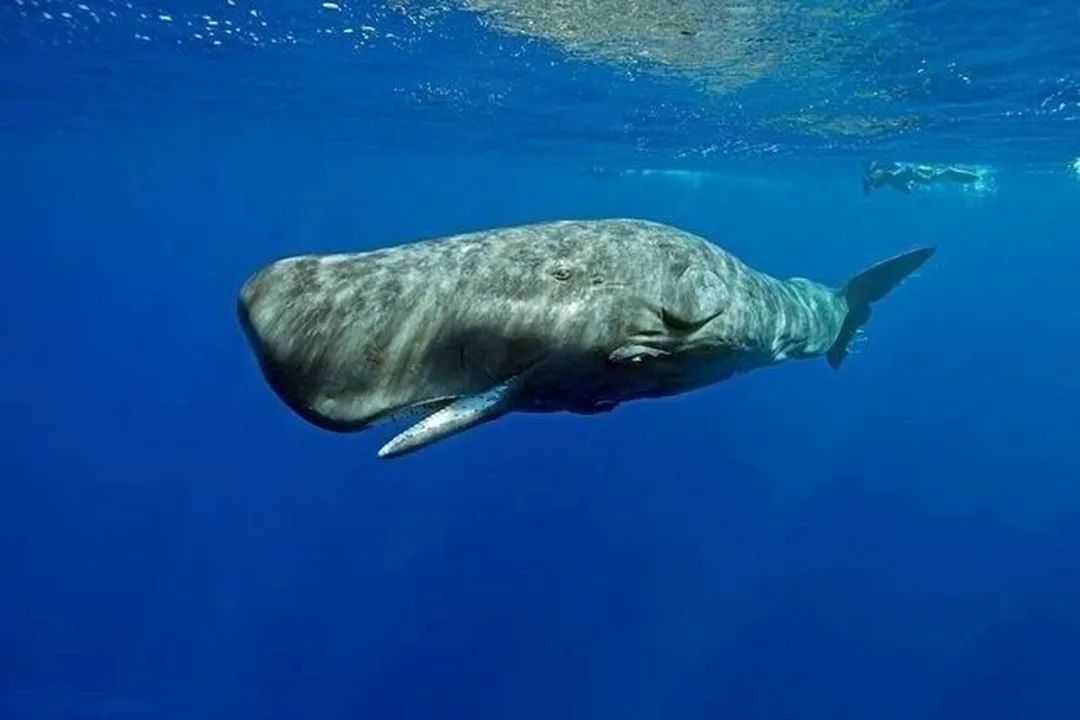
Growing up to 16 meters in length, sperm whales (Physeter macrocephalus) are defined by their enormous heads, which make up nearly one-third of their body size. These marine giants dominate the deep ocean, blending imposing physiology with a sophisticated social structure that has fascinated scientists for decades. From their coordinated hunting strategies to their mysterious resting behaviors, they embody the ocean’s enigmatic power.
Livyatan melvillei: The Prehistoric Sea Predator That Ruled the Oceans
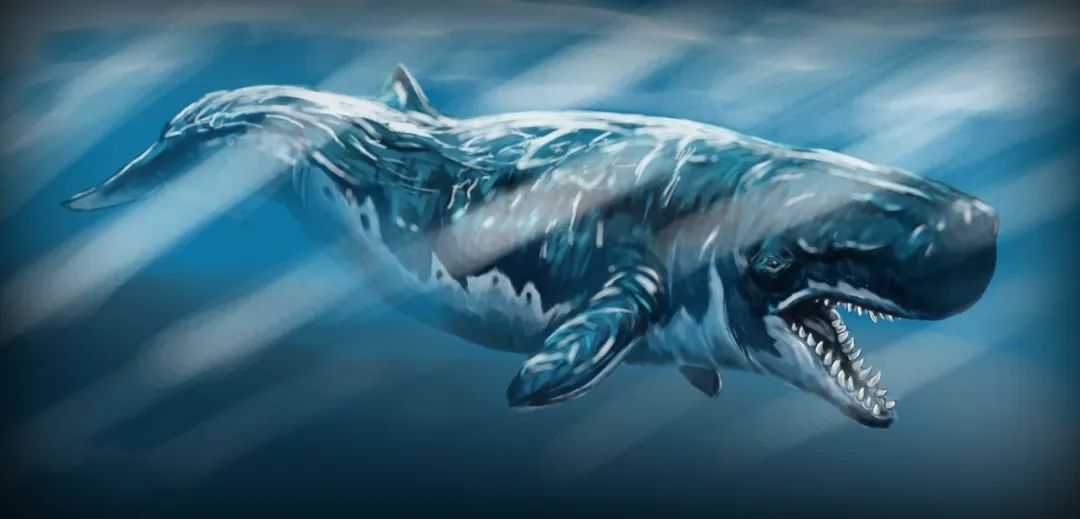
Measuring up to 17 meters in length, Livyatan melvillei, a close relative of modern sperm whales, roamed the oceans around 13 million years ago. With a body shape reminiscent of its contemporary kin, this ancient marine mammal may have looked somewhat familiar, but its predatory habits set it apart as a fearsome force in the prehistoric seas.
Leedsichthys: The Gentle Giant of the Prehistoric Seas
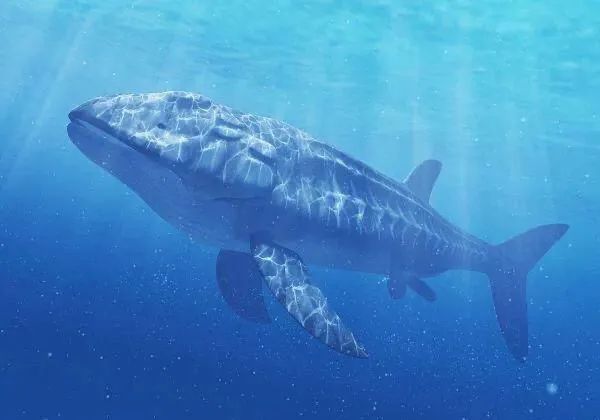
Swimming through the oceans over 160 million years ago during the Jurassic period, Leedsichthys was a colossal bony fish that dominated its aquatic realm. Stretching over 17 meters in length, this prehistoric behemoth dwarfed most marine creatures of its time, yet its survival relied not on aggression but on unique adaptations that made it a passive giant of the deep.
Megalodon: The Unmatched Apex Predator of Prehistoric Seas
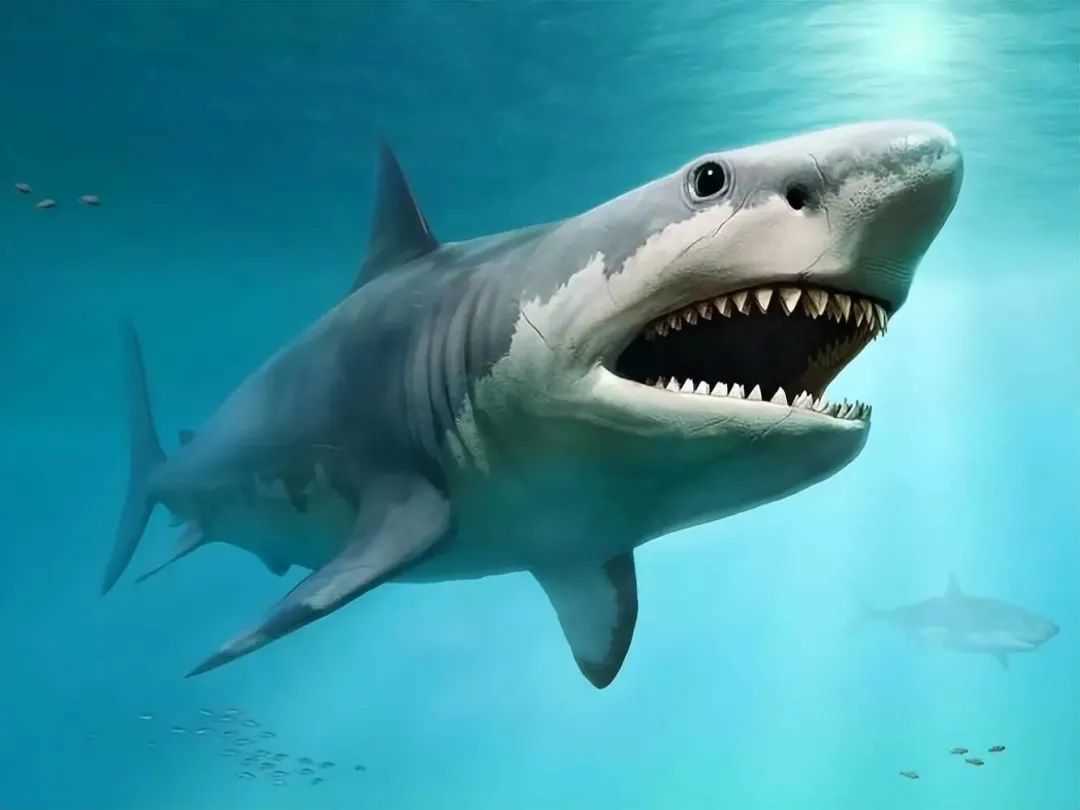
Stretching over 18 meters in length, Megalodon (Carcharocles megalodon) ruled the oceans alongside Livyatan melvillei approximately 23 to 3.6 million years ago. Renowned as the creature with the most powerful bite force ever recorded—exceeding 30 tons—this colossal shark dwarfed even its massive whale counterpart in size and weight, solidifying its status as the ultimate marine predator of its era.
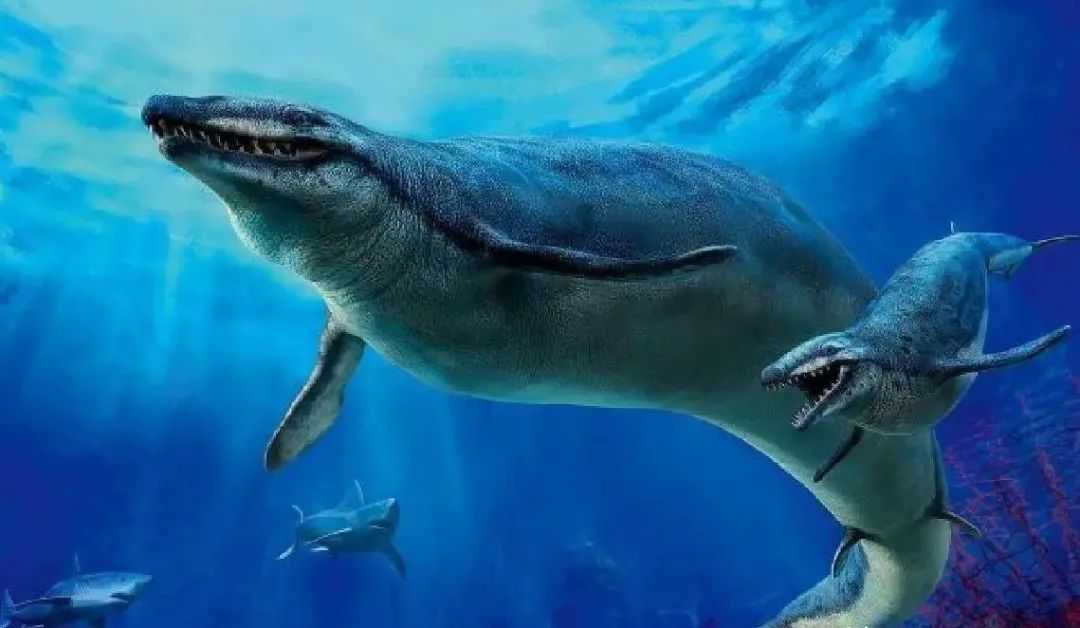
Basilosaurus: The Prehistoric Whale That Dominated Ancient Seas
Stretching over 20 meters in length, Basilosaurus stands as a legendary ancestor of modern whales and the undisputed ruler of oceans 30 million years ago during the Eocene epoch. Often referred to as the "king of whales," this colossal marine reptile-turned-mammal combined an imposing physique with unique hunting strategies, making it a formidable force in its prehistoric ecosystem.
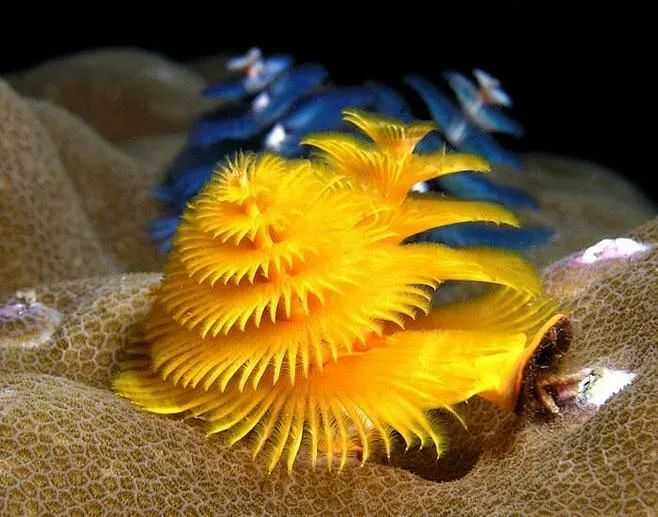
The Festive Wonders of the Reef: Christmas Tree Worms
Contrary to their name, Christmas tree worms (Spirobranchus) are not corals but fascinating marine annelids that form symbiotic relationships with hard corals. These tube-dwelling polychaete worms, belonging to the phylum Annelida, are widely distributed in tropical oceans, where their vibrant, spiral-shaped structures add a touch of whimsy to coral reefs. Their common name stems from their striking resemblance to miniature, underwater Christmas trees.
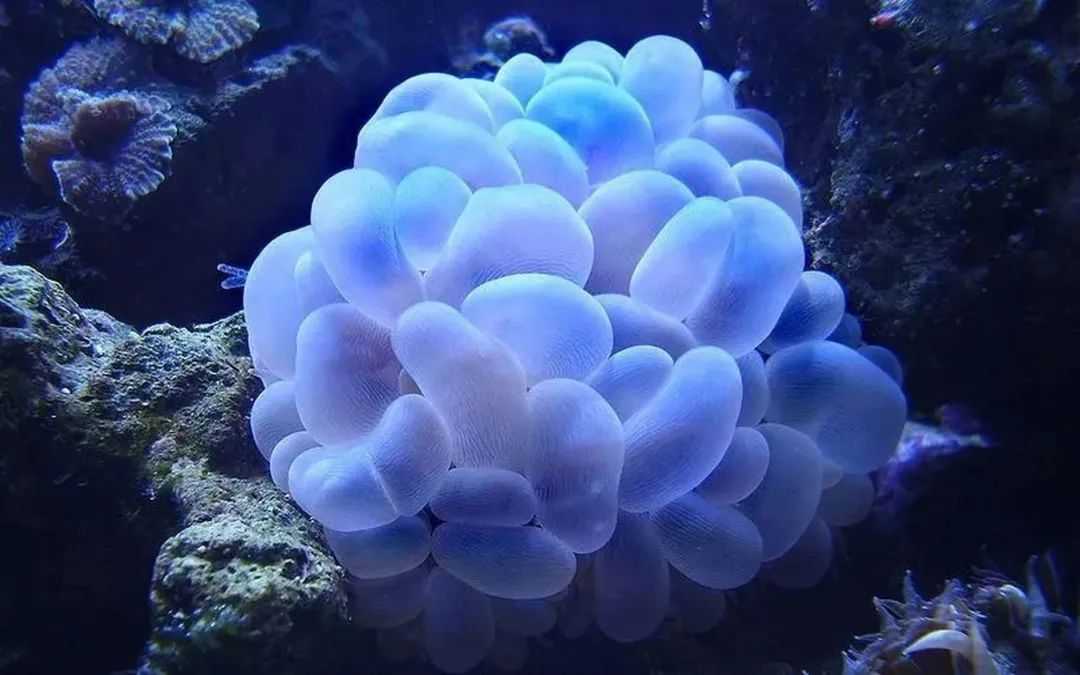
Bubble Coral: The Mesmerizing Marine Marvel with a Dual Identity
Plerogyra sinuosa, commonly known as bubble coral, is a captivating soft coral species belonging to the order Scleractinia. Found primarily in the shallow waters—within 30 meters—along the coasts of the Pacific and Atlantic Oceans, as well as the Caribbean Sea, this coral species has earned its name from its unique appearance that transforms dramatically between day and night.
Trachyphyllia Geoffroyi: The Enigmatic "Eight-Shaped" Brain Coral of Tropical Reefs
Trachyphyllia geoffroyi, commonly known as the open brain coral or "eight-shaped" brain coral, is a striking representative of the Merulinidae family within the class Anthozoa. Thriving in the shallow tropical sands and reef zones of Indonesia and other warm coastal regions, this coral earns its name from its skeletal structure, which famously resembles the numeral "8." Unlike many corals, its growth pattern transforms a simple conical base into a complex, symmetrical form that captivates both scientists and enthusiasts.