Sperm Whales: Titans of the Deep with Complex Lives


Marine Biology
Sperm Whales: Titans of the Deep with Complex Lives

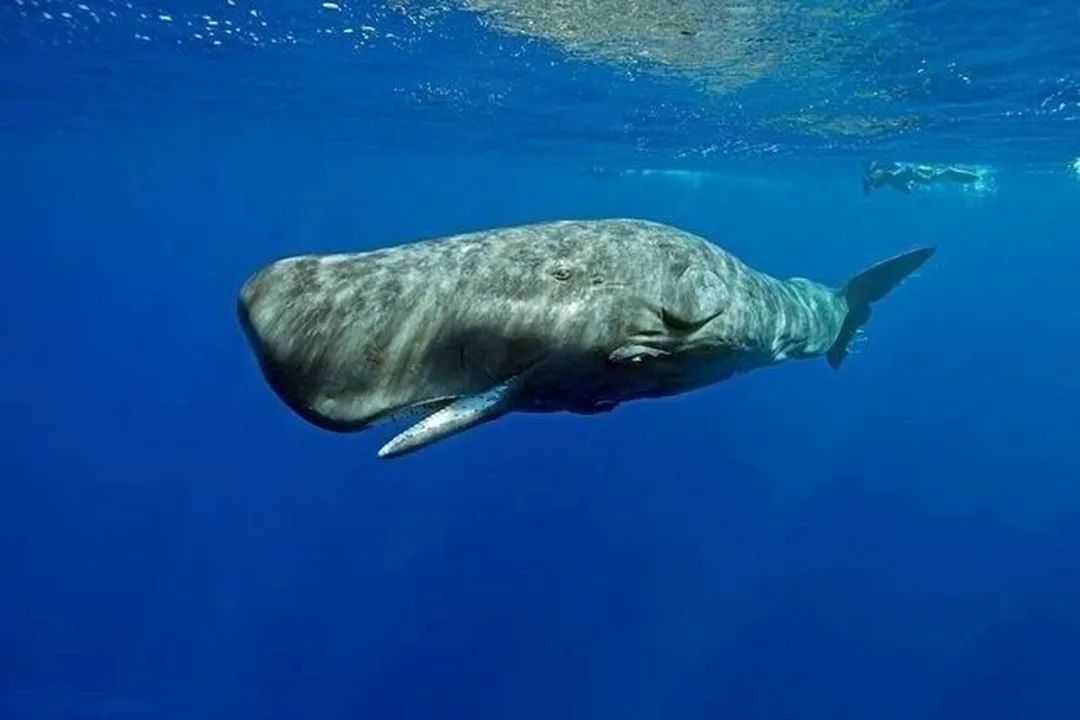
Growing up to 16 meters in length, sperm whales (Physeter macrocephalus) are defined by their enormous heads, which make up nearly one-third of their body size. These marine giants dominate the deep ocean, blending imposing physiology with a sophisticated social structure that has fascinated scientists for decades. From their coordinated hunting strategies to their mysterious resting behaviors, they embody the ocean’s enigmatic power.


Sperm whales live in tight-knit pods, often comprising over 10 individuals, with a clear social hierarchy. Females and calves form the core of these groups, while males may venture solo or join bachelor pods as they mature. Their primary prey? The elusive giant squid, a legendary deep-sea creature that serves as both rival and sustenance. Using powerful echolocation clicks, sperm whales dive to extreme depths—over 2,000 meters—to pursue their prey, engaging in epic battles that echo through the ocean’s abysses. This predator-prey relationship has long inspired tales of sea monsters and maritime lore.


One of the most intriguing aspects of sperm whales is their unique sleeping behavior. When resting, they suspend themselves vertically in the water, heads pointed downward, resembling a cluster of underwater coffins. This motionless state, often maintained for minutes at a time, highlights their ability to conserve oxygen in the deep. While eerie in appearance, it underscores their adaptability to life in the pitch-black ocean depths. Despite their dominance, sperm whales face threats from commercial whaling, ocean pollution, and climate change. Their story is a reminder of the intricate balance between apex predators and their ecosystems, and the urgent need to protect these intelligent giants of the deep.
Latest Stories
Feline News2 minute readThe Oriental Longhair, a breed celebrated for its elegance and intelligence, traces its roots to mid-20th-century breeding programs aimed at expanding the color and pattern diversity of Siamese cats . Developed through crosses with breeds like Russian Blues and British Shorthairs, these cats gained recognition in the 1970s and were officially acknowledged by The International Cat Association (TICA) in 1979 and the Cat Fanciers' Association (CFA) in 1995 .
Feline News2 minute readThe Korat cat, originating from Thailand’s Nakhon Ratchasima province (formerly Korat), is a breed deeply rooted in history and cultural significance. Revered for centuries as a symbol of good luck and prosperity, these silver-blue felines have enchanted the world with their striking appearance and affectionate nature.
Feline News2 minute readA heartwarming tale of survival and companionship has thrust the Munchkin cat into the global spotlight, showcasing the breed’s unique charm and indomitable spirit. Mochi, an 8-month-old Munchkin rescued from a life-threatening illness, has become an international symbol of hope, embodying the resilience and playful nature that define these short-legged felines.
Travel News2 minute readPerched atop an 82-meter volcanic plug in Le Puy-en-Velay, France, the Chapelle Saint-Michel d’Aiguilhe stands as a testament to faith and engineering prowess. Built in 962 AD, this architectural marvel balances precariously on a basaltic rock formation, blending Romanesque austerity with Moorish-inspired ornamentation to create one of Europe’s most dramatic religious landmarks.
Feline News2 minute readRagamuffin cats, affectionately known as "muffins," have captured the hearts of cat lovers worldwide with their plush coats, docile personalities, and striking appearance. Originating in the United States in the 1990s, this breed emerged from a group of breeders seeking to expand the genetic diversity of Ragdoll cats. By crossing Ragdolls with Persians, Himalayans, and other long-haired breeds, they created a larger, more robust feline with a broader range of coat colors and patterns
Canine News2 minute readOriginating in the early 20th century, the American White Shepherd traces its lineage to the German Shepherd. Due to a recessive white coat gene, these dogs were long considered "flawed" in Germany and systematically culled from breeding programs12. However, North American breeders recognized their unique appeal and selectively developed them into a distinct breed, officially acknowledged by the United Kennel Club (UKC) in 199917
Canine News1 minute readAs the world's first operational vertical/short takeoff and landing (V/STOL) fighter jet, the British-developed Harrier, nicknamed the "Jump Jet," has left an indelible mark on aviation history through its groundbreaking design and combat prowess.