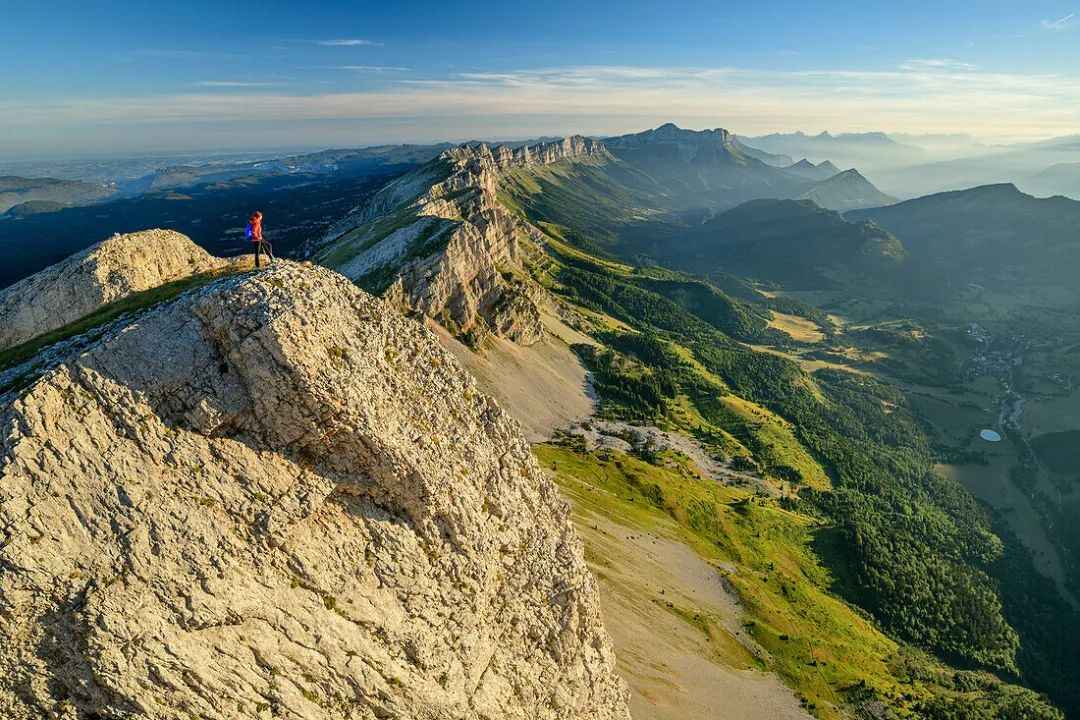
Nestled in the French Pre-Alps, the Plateau du Vercors stands as a testament to nature’s raw power and humanity’s indomitable spirit. Rising abruptly from the valleys of Isère, this limestone plateau—dominated by peaks like Grand Veymont (2,346 meters)—features sheer cliffs and labyrinthine gorges that earned it the nickname "the Natural Great Wall". Its dramatic landscapes, shaped over millennia by erosion, have not only sculpted a geological marvel but also forged a theater of historical significance.
Nestled in the French Pre-Alps, the Plateau du Vercors stands as a testament to nature’s raw power and humanity’s indomitable spirit. Rising abruptly from the valleys of Isère, this limestone plateau—dominated by peaks like Grand Veymont (2,346 meters)—features sheer cliffs and labyrinthine gorges that earned it the nickname "the Natural Great Wall". Its dramatic landscapes, shaped over millennia by erosion, have not only sculpted a geological marvel but also forged a theater of historical significance.
The Vercors Plateau’s jagged escarpments and windswept plateaus are the result of millions of years of limestone erosion. The eastern edge, overlooking Grenoble, forms a near-vertical wall up to 700 meters high, creating a natural defensive barrier. This terrain, once a seabed, now hosts unique ecosystems, including alpine meadows and ancient forests, protected within the Vercors Regional Nature Park. Hikers and climbers flock to landmarks like Mont Aiguille ("Needle Mountain"), a striking rock formation offering panoramic views of the Alps.
During World War II, the Vercors became a symbol of resistance. In June 1944, French Maquis fighters declared the "Republic of Vercors," establishing the first liberated territory in France under Nazi occupation. Their bold stand attracted international attention, but when Allied reinforcements failed to arrive, the plateau faced a brutal German offensive. On July 23, 1944, German paratroopers and glider-borne troops descended, destroying villages like Valchevrière and massacring civilians. Despite overwhelming odds, the Maquis held out for six weeks, delaying German forces en route to Normandy. Their sacrifice, immortalized in historical accounts, remains a poignant chapter in France’s fight for freedom.
Today, the Vercors invites visitors to explore its rugged beauty. The nature park offers year-round activities: cross-country skiing on winter’s snow-cloaked plateaus, rock climbing on limestone cliffs, and hiking trails that wind through forests and past hidden caves. The "Balcony Roads"—dramatic cliffside routes—provide access to viewpoints like the Belvédère de la Maline, where the sheer drop and sweeping vistas leave travelers breathless. Historical sites, such as the ruins of Valchevrière and the Grotte de la Luire (a WWII hospital cave), add layers of meaning to outdoor excursions.
The best time to experience the Vercors is from June to September, when mild temperatures and clear skies enhance hiking and sightseeing. Spring (April–May) brings blooming meadows, while autumn (October–November) paints the forests in vibrant hues. Winter transforms the plateau into a snowy haven for skiers and snowshoers.
From its awe-inspiring cliffs to its heroic past, the Vercors Plateau embodies the fusion of nature’s grandeur and human resilience. It’s not just a landscape—it’s a living story, etched into stone for eternity.