Corniches of Nice: Iconic Coastal Routes Along the French Riviera


Travel News
Corniches of Nice: Iconic Coastal Routes Along the French Riviera

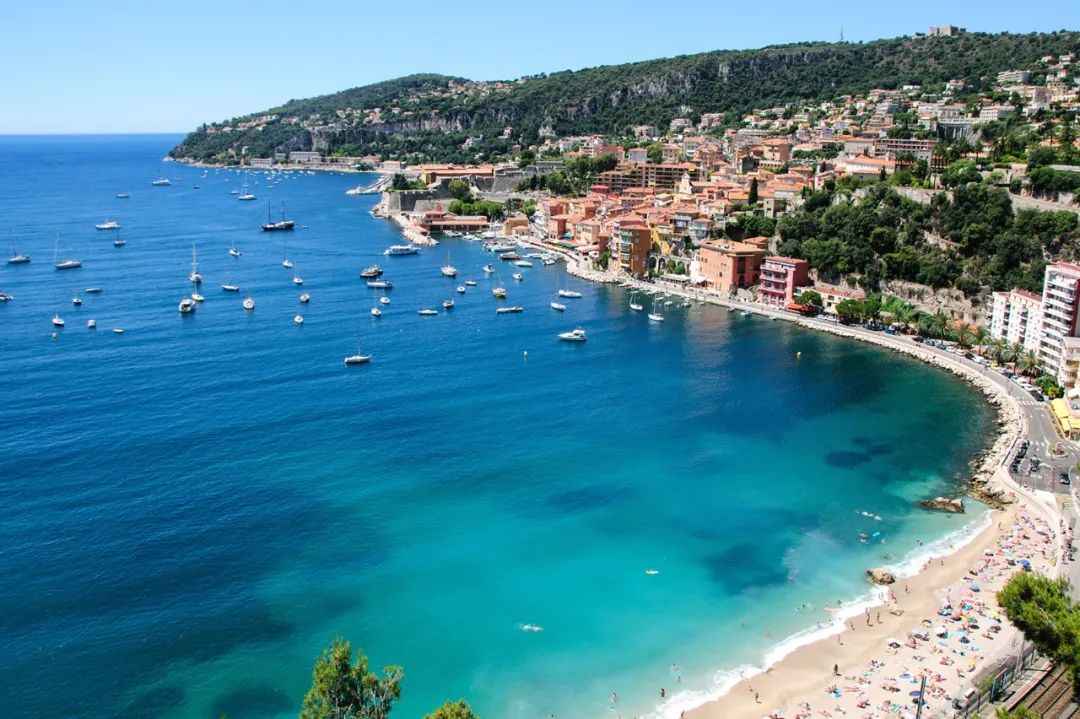
Nestled along the cliffs of the French Riviera (Côte d'Azur), the Trois Corniches de Nice—three coastal roads ascending from sea level to mountain heights—offer some of Europe’s most dramatic views. Stretching eastward from Nice, the Lower Corniche (Corniche Inférieure), Middle Corniche (Moyenne Corniche), and Upper Corniche (Grande Corniche) each provide a unique perspective of the Mediterranean, making them a pilgrimage for road-trippers and photographers alike.

Nestled along the cliffs of the French Riviera (Côte d'Azur), the Trois Corniches de Nice—three coastal roads ascending from sea level to mountain heights—offer some of Europe’s most dramatic views. Stretching eastward from Nice, the Lower Corniche (Corniche Inférieure), Middle Corniche (Moyenne Corniche), and Upper Corniche (Grande Corniche) each provide a unique perspective of the Mediterranean, making them a pilgrimage for road-trippers and photographers alike.

Corniche Inférieure (Lower Coastal Road)

Hugging the shoreline (N98), this accessible route passes through Cap Ferrat, where the Villa Ephrussi de Rothschild steals the spotlight. Built in the Italian Renaissance style, the villa’s nine themed gardens and panoramic terraces overlook the Mediterranean, with rose-hued facades echoing the baroness’s romantic vision. Further east, Menton’s lemon-yellow buildings and yacht-dotted harbor create a postcard-perfect scene. A natural "frame" carved into the cliffside during construction frames ,inviting endless awe.

Moyenne Corniche (Middle Coastal Road)

The N7 road blends history and nature. The medieval village of Èze, perched on a cliff, enchants with cobblestone streets and art galleries, while its hilltop botanical garden contrasts cacti with Mediterranean blue. At Col de Villefranche, a viewpoint captures Nice, Monaco, and surrounding bays—a photographer’s dream. Nearby La Turbie houses the Trophée des Alpes, a 2,000-year-old Roman monument celebrating Emperor Augustus’ victories.

Grande Corniche (Upper Coastal Road)

Built by Napoleon along an ancient Roman path, the D2564 road climbs to 550 meters, offering dizzying vistas. Pine forests and cacti line the route, with sheer cliffs on one side and endless blue on the other. In winter, fog shrouds the road like a mystical veil, while clear days reveal Monaco’s skyscrapers and Alpine peaks in the distance. Menton, at the route’s end, blends French elegance with Italian flair, erupting into citrus-themed festivals each February (Fête du Citron).

Travel Tips

  • Driving: The Grande Corniche’s narrow sections require caution; avoid summer peak hours (June–August) by starting early.
  • Public Transit: Buses #100 (Nice to Menton) and #112 (Nice to Beausoleil) serve the Lower and Middle Corniches, ideal for non-drivers.
  • Best Seasons: Spring (April–May) and fall (September–October) offer mild weather and fewer crowds; check weather forecasts for winter fog on the Grande Corniche.


From medieval villages to art-filled villas, the Three Corniches redefine "scenic drive," transforming every bend into a love letter to the Mediterranean. Whether chasing history, gardens, or pure coastal magic, these roads promise an unforgettable rendezvous with the Côte d'Azur.

Latest Stories
Travel News2 minute readNestled in the French Pre-Alps, the Plateau du Vercors stands as a testament to nature’s raw power and humanity’s indomitable spirit. Rising abruptly from the valleys of Isère, this limestone plateau—dominated by peaks like Grand Veymont (2,346 meters)—features sheer cliffs and labyrinthine gorges that earned it the nickname "the Natural Great Wall". Its dramatic landscapes, shaped over millennia by erosion, have not only sculpted a geological marvel but also forged a theater of historical significance.
Cultural News1 minute readSpain’s tomato-throwing "La Tomatina" is wildly popular, but for those who prefer hurling something tangier, head to Italy in February. At the Ivrea Carnival, thousands of ripe oranges are pelted in a juicy battle during the festival’s highlight.
Cultural News1 minute readIn Wuppertal, Germany, there’s a pedestrian bridge that looks like it’s built from giant Lego bricks. Though it’s actually a concrete structure, artists have painted it to mimic the iconic toy blocks, creating a playful optical illusion.
Feline News2 minute readThe European Burmese cat, a breed born from careful crossbreeding in mid-20th century Europe, has captivated cat enthusiasts with its elegant physique and affectionate nature. Originating from the American Burmese stock imported to the UK, European breeders sought to diversify the gene pool by introducing Siamese and British Shorthair bloodlines, resulting in a distinct feline with refined features. Recognized by major associations like the CFA since 2002, this breed stands out for its sleek, muscular build and striking golden or amber almond-shaped eyes, which contrast sharply with the rounde
Feline News2 minute readIn recent years, the Scottish Fold cat has become an internet sensation, celebrated for its distinctive folded ears and owl-like appearance. However, behind the adorable facade lies a dark reality rooted in genetic abnormality and ethical debate. This breed, born from a spontaneous mutation in a Scottish barn cat named Susie in 1961, has sparked global controversy over its health implications and breeding practices.
Feline News1 minute readOriginating from a spontaneous genetic mutation in 1950, the Cornish Rex emerged in Cornwall, England, when a cream-colored kitten named Kallibunker was born with a dense, wavy coat resembling a lamb’s fleece1. Recognizing its uniqueness, owner Nina Ennismore collaborated with geneticists to establish the breed. Due to the recessive nature of the mutation, breeding two Cornish Rex cats guarantees curly-coated offspring13.
Health News1 minute readOn June 30, FBI Deputy Director Dan Bongino announced the dismantling of the largest healthcare fraud case in U.S. history, with revised to $14.6 billion. The investigation covered all 50 federal districts, indicting 324 individuals—including 96 medical practitioners—and seizing $245 million in assets.