Exclusive: European Burmese Cat Breed – A Graceful Feline with a Rich Heritage


Feline News
Exclusive: European Burmese Cat Breed – A Graceful Feline with a Rich Heritage

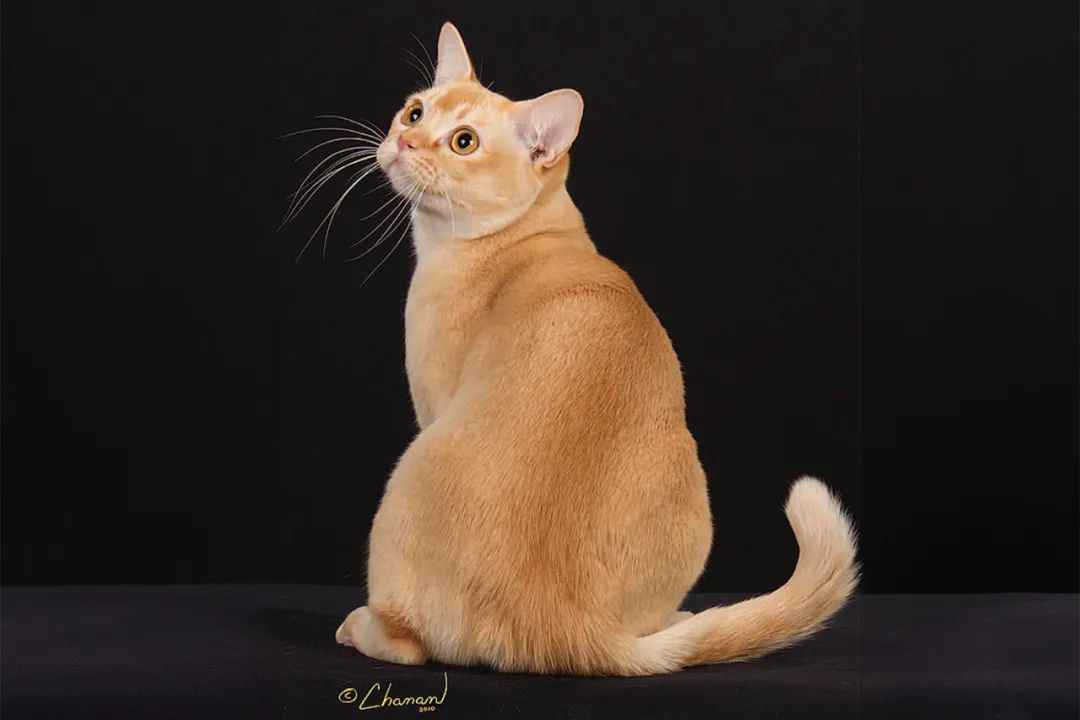
The European Burmese cat, a breed born from careful crossbreeding in mid-20th century Europe, has captivated cat enthusiasts with its elegant physique and affectionate nature. Originating from the American Burmese stock imported to the UK, European breeders sought to diversify the gene pool by introducing Siamese and British Shorthair bloodlines, resulting in a distinct feline with refined features. Recognized by major associations like the CFA since 2002, this breed stands out for its sleek, muscular build and striking golden or amber almond-shaped eyes, which contrast sharply with the rounde

Distinctive Appearance and Coat

The European Burmese boasts a short, glossy coat in ten officially recognized colors, including brown, chocolate, blue, and tortoiseshell patterns—a significant departure from the limited palette of American Burmese cats. Its wedge-shaped head, high cheekbones, and slender limbs give it a regal stance, while the coat’s satin-like texture requires minimal grooming, appealing to busy households. Males typically weigh 3.5–7.5 kg, with females slightly smaller, embodying a balance of agility and grace.

Temperament and Social Dynamics

Known for their dog-like loyalty, European Burmese cats thrive on human interaction and form deep bonds with their families. They are highly intelligent, playful, and adaptable, making them ideal companions for households with children or other pets. However, their sociable nature means they may develop separation anxiety if left alone for extended periods, highlighting the need for consistent companionship. Their vocalizations, softer than Siamese counterparts, add to their charm without overwhelming owners.

Health Considerations

While generally robust, the breed is predisposed to certain genetic conditions. European Burmese cats, particularly those in the UK and Australia, face a fourfold increased risk of diabetes mellitus compared to other felines. Breeders also monitor for rare but severe issues like Burmese head defect, a congenital abnormality affecting skull development, and hypokalemia, a potassium deficiency causing muscle weakness. Regular veterinary check-ups and a balanced diet rich in protein are essential for maintaining their health.

A Breed with Historical Significance

The European Burmese played a pivotal role in revitalizing the Burmese gene pool during the mid-20th century, preventing inbreeding-related health crises. Today, their popularity continues to grow, with breeders worldwide preserving their unique traits. Whether gracing cat shows or curling up on a lap at home, the European Burmese remains a testament to the art of selective breeding and the enduring appeal of a feline companion that combines beauty, intelligence, and unwavering loyalty.

Latest Stories
Feline News2 minute readThe Oriental Longhair, a breed celebrated for its elegance and intelligence, traces its roots to mid-20th-century breeding programs aimed at expanding the color and pattern diversity of Siamese cats . Developed through crosses with breeds like Russian Blues and British Shorthairs, these cats gained recognition in the 1970s and were officially acknowledged by The International Cat Association (TICA) in 1979 and the Cat Fanciers' Association (CFA) in 1995 .
Feline News2 minute readThe Korat cat, originating from Thailand’s Nakhon Ratchasima province (formerly Korat), is a breed deeply rooted in history and cultural significance. Revered for centuries as a symbol of good luck and prosperity, these silver-blue felines have enchanted the world with their striking appearance and affectionate nature.
Feline News2 minute readA heartwarming tale of survival and companionship has thrust the Munchkin cat into the global spotlight, showcasing the breed’s unique charm and indomitable spirit. Mochi, an 8-month-old Munchkin rescued from a life-threatening illness, has become an international symbol of hope, embodying the resilience and playful nature that define these short-legged felines.
Travel News2 minute readPerched atop an 82-meter volcanic plug in Le Puy-en-Velay, France, the Chapelle Saint-Michel d’Aiguilhe stands as a testament to faith and engineering prowess. Built in 962 AD, this architectural marvel balances precariously on a basaltic rock formation, blending Romanesque austerity with Moorish-inspired ornamentation to create one of Europe’s most dramatic religious landmarks.
Feline News2 minute readRagamuffin cats, affectionately known as "muffins," have captured the hearts of cat lovers worldwide with their plush coats, docile personalities, and striking appearance. Originating in the United States in the 1990s, this breed emerged from a group of breeders seeking to expand the genetic diversity of Ragdoll cats. By crossing Ragdolls with Persians, Himalayans, and other long-haired breeds, they created a larger, more robust feline with a broader range of coat colors and patterns
Canine News2 minute readOriginating in the early 20th century, the American White Shepherd traces its lineage to the German Shepherd. Due to a recessive white coat gene, these dogs were long considered "flawed" in Germany and systematically culled from breeding programs12. However, North American breeders recognized their unique appeal and selectively developed them into a distinct breed, officially acknowledged by the United Kennel Club (UKC) in 199917
Canine News1 minute readAs the world's first operational vertical/short takeoff and landing (V/STOL) fighter jet, the British-developed Harrier, nicknamed the "Jump Jet," has left an indelible mark on aviation history through its groundbreaking design and combat prowess.