Pyrenean Shepherd: The Agile Herder of the Pyrenees Mountains


Canine News
Pyrenean Shepherd: The Agile Herder of the Pyrenees Mountains

The Pyrenean Shepherd, a breed steeped in history and renowned for its agility and intelligence, has long been a vital companion to shepherds in the rugged Pyrenees Mountains spanning France and Spain. With a legacy dating back centuries, this herding dog was originally bred to manage flocks in harsh alpine terrains, showcasing remarkable stamina and a natural instinct to protect livestock.


Origins and Historical Role

Developed in the Pyrenees region, the breed’s exact roots remain obscure, but it is believed to have evolved from ancient herding dogs adapted to the mountainous landscape. Recognized for its versatility, the Pyrenean Shepherd was used not only for herding but also as a watchdog and companion. The breed’s working prowess led to its official recognition by the French Kennel Club (LCC) in the early 20th century, and it later gained global attention, including registration with the American Kennel Club (AKC) in 2011.

Physical Characteristics

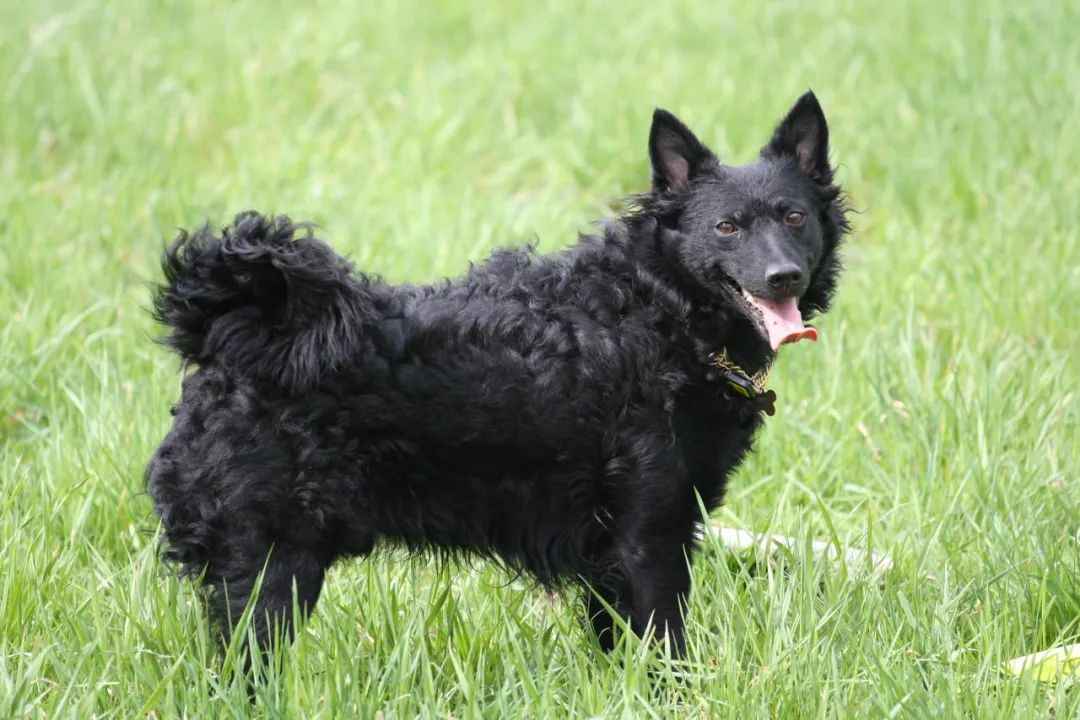
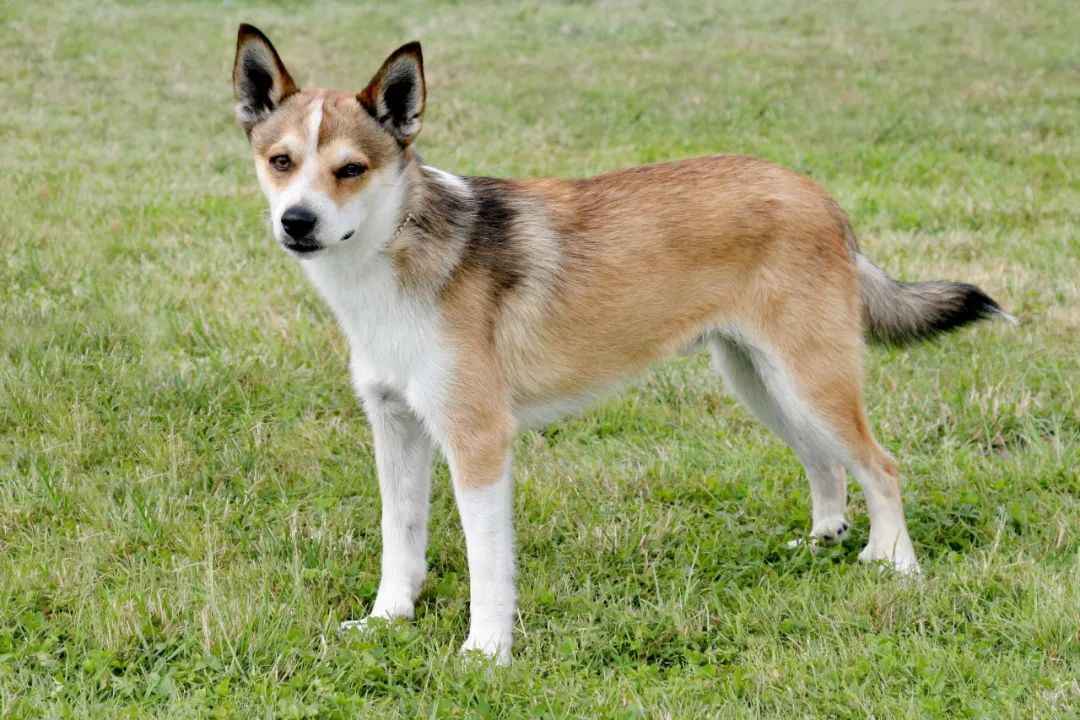
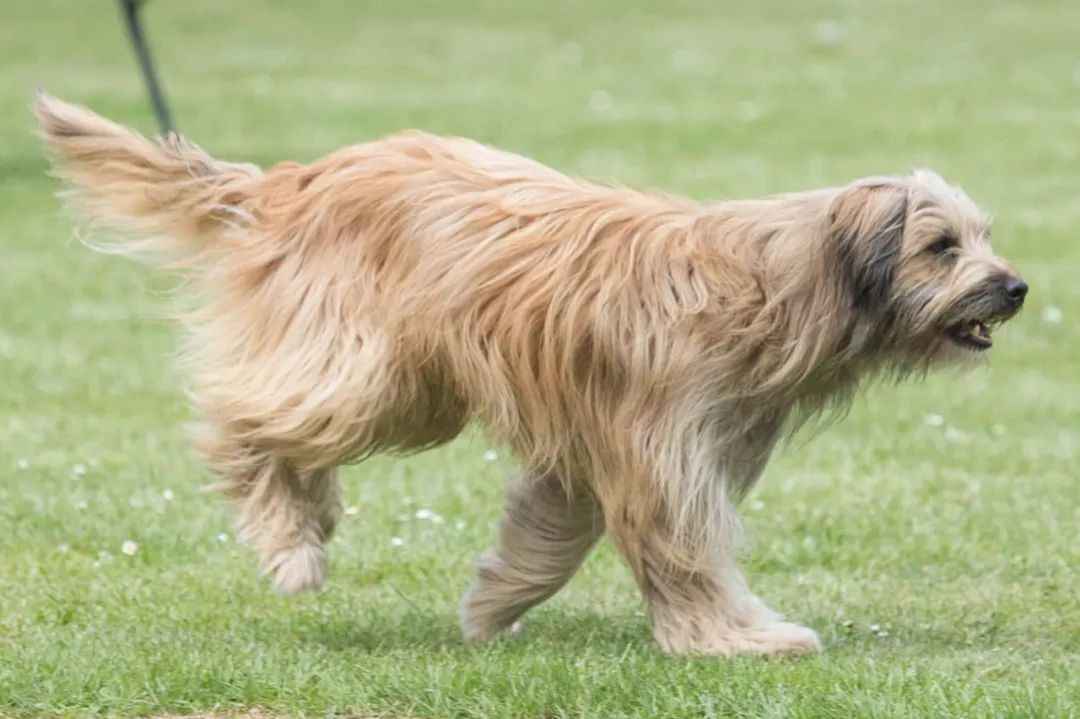
Distinguished by a medium-sized, muscular build, the Pyrenean Shepherd boasts a weather-resistant coat that varies in texture—either smooth or long and wavy—with common colors including black, gray, fawn, or tricolor. Its alert, oval-shaped eyes and erect, triangular ears contribute to a vigilant expression, while a bushy tail complements its agile stance. Males typically stand 18–22 inches tall, and females 16–20 inches, with a weight range of 30–50 pounds.

Temperament and Training

Known for its intelligence and eagerness to please, the Pyrenean Shepherd thrives on mental and physical stimulation. It forms deep bonds with its family but can be reserved with strangers, making it a loyal guardian. Early socialization and consistent training are essential to channel its herding instincts, as the breed may exhibit nipping behavior with children or other pets if untrained. Its high energy levels suit active households, excelling in activities like agility, obedience, and herding trials.

Care and Health

Regular grooming is required to maintain the coat, with weekly brushing for smooth-coated variants and more frequent care for long-haired types. The breed is generally robust, with a lifespan of 12–15 years, though potential health concerns include hip dysplasia and eye disorders. A balanced diet and ample exercise—such as daily hikes or play sessions—are crucial to prevent restlessness.


Today, the Pyrenean Shepherd continues to charm both as a working dog and a devoted companion, blending its storied herding heritage with adaptability for modern lifestyles. Its combination of intelligence, loyalty, and athleticism makes it a unique and cherished breed for those seeking a spirited, versatile canine partner.
Latest Stories
Feline News2 minute readThe Himalayan cat, a captivating fusion of Persian and Siamese genetics, has enchanted cat enthusiasts worldwide with its striking blue eyes and luxurious coat. Bred since the 1930s, this breed gained official recognition in 1957 when breeders Ben and Ann Borrett debuted their specimens at a cat show, setting standards adopted by organizations like the CFA . Nicknamed "Himmies," these cats balance elegance with affectionate charm, though their popularity demands careful attention to health and grooming.
Feline News1 minute readReportedly, the Dwelf cat, an emerging and distinctive feline breed, is gaining attention from cat enthusiasts worldwide due to its highly recognizable appearance and gentle temperament. This unique breed is a result of careful crossbreeding between the Sphynx, Devon Rex, and American Curl, combining the typical characteristics of these three breeds.
Feline News1 minute readThe European Shorthair, a beloved feline breed with deep roots in Europe, has charmed cat enthusiasts for centuries. Renowned for its robust build, short dense coat, and friendly demeanor, this breed stands out as a versatile and adaptable companion.
Feline News1 minute readAsia, a cradle of diverse feline heritage, has given the world some of the most beloved cat breeds, each boasting unique traits shaped by centuries of regional culture and environment. These breeds, celebrated for their distinct appearances and personalities, continue to captivate cat enthusiasts worldwide.
Health News1 minute readA mysterious and highly lethal disease is sweeping through the Democratic Republic of the Congo (DRC), with patients succumbing within 48 hours of symptom onset, prompting urgent global health alerts. The World Health Organization (WHO) has declared the outbreak a "major public health threat," as cases continue to surge across remote regions of Equateur Province. As of late February 2025, the crisis has escalated to 1,096 confirmed cases and 60 deaths, with a mortality rate of approximately 5.5% .
Feline News2 minute readThe Oriental Shorthair, a breed celebrated for its striking elegance and dynamic personality, traces its origins to mid-20th century breeding programs in the UK and the US2. Developed as a close relative of the Siamese, these cats emerged from intentional crossbreeding with British Shorthairs and Abyssinians to create a feline with the Siamese’s sleek physique but expanded coat color possibilities28. By the 1970s, the breed gained international recognition, captivating cat lovers worldwide with its unique charm.
Feline News2 minute readThe Maine Coon, often hailed as the "gentle giant" of the cat world, is a breed that captivates with its imposing size, striking appearance, and affectionate demeanor. Originating in the U.S. state of Maine, these regal felines have a rich history intertwined with myths and legends, from tales of Viking settlers bringing Norwegian Forest Cats to New England to claims of descent from Marie Antoinette’s cherished pets 37. While genetic studies indicate their roots lie in Western European domestic cats brought by Puritan settlers in the 17th–18th centuries, their enigmatic past only adds to their