Exclusive Insights: The Enigmatic World of Himalayan Cats – Origins, Care, and Why They’re a Global Favorite


Feline News
Exclusive Insights: The Enigmatic World of Himalayan Cats – Origins, Care, and Why They’re a Global Favorite

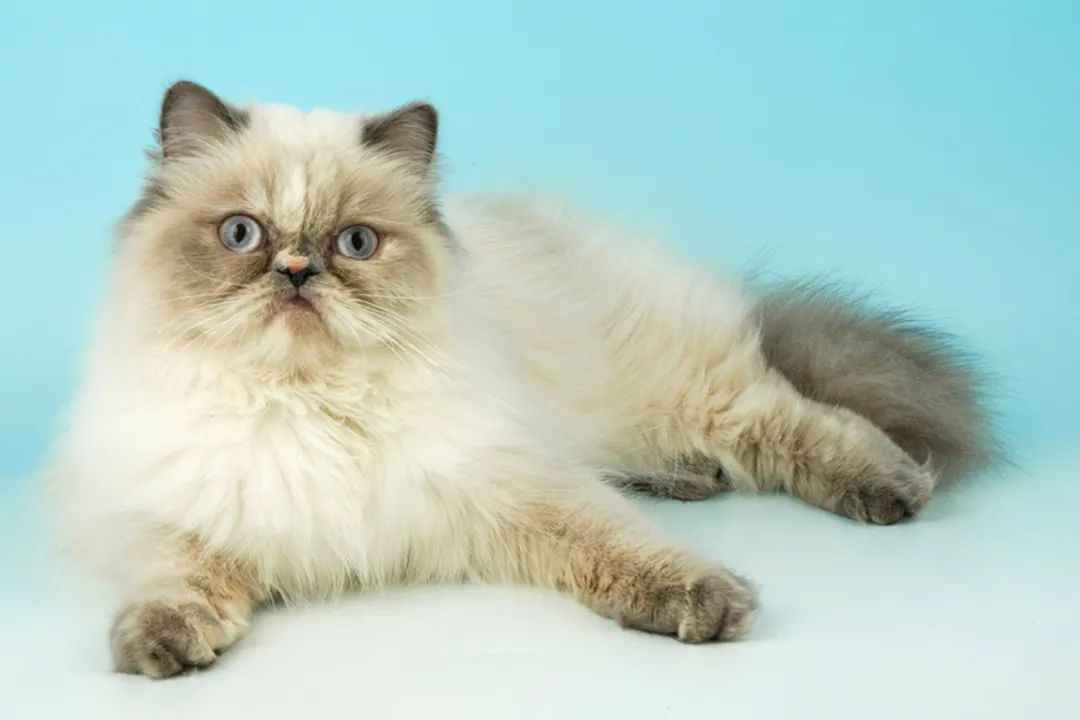
The Himalayan cat, a captivating fusion of Persian and Siamese genetics, has enchanted cat enthusiasts worldwide with its striking blue eyes and luxurious coat. Bred since the 1930s, this breed gained official recognition in 1957 when breeders Ben and Ann Borrett debuted their specimens at a cat show, setting standards adopted by organizations like the CFA . Nicknamed "Himmies," these cats balance elegance with affectionate charm, though their popularity demands careful attention to health and grooming.

Origins and Physical Characteristics
Created to merge the Persian’s long, silky fur with the Siamese’s color-point markings, Himalayans exhibit creamy bodies with darker "points" on their ears, face, paws, and tail—a trait inspired by the Himalayan rabbit . Their round faces and flattened noses, while adorable, contribute to brachycephalic airway syndrome, leading to breathing difficulties and heat sensitivity . Weighing 7–12 pounds and living 9–15 years, these medium-sized cats require daily brushing to maintain their dense double coats, which can reach 22.87 cm in length, as seen in the Guinness-record holder "Colonel Meow" .

Temperament and Care Requirements

Renowned for their serene nature, Himalayans thrive on human interaction, often greeting owners at the door and seeking laps for naps . While less active than Siamese, they enjoy interactive toys and gentle play. Their flat faces necessitate daily eye cleaning to prevent tear staining and infections . A diet rich in omega fatty acids supports coat health, while portion control helps avoid obesity—a risk amplified by their sedentary habits .

Health Concerns

Himalayans face genetic predispositions to polycystic kidney disease (PKD) and hypertrophic cardiomyopathy (HCM), detectable via DNA testing . Respiratory issues, dental problems, and luxating patella (knee displacement) further underscore the need for routine veterinary care . Reputable breeders prioritize health screenings to minimize these risks.

Cultural Influence and Modern Popularity

Beyond their aesthetic appeal, Himalayans have graced films like Meet the Parents and starred in Martha Stewart Living, where the lifestyle icon’s pets became household names . On social media, influencers like Luna attract thousands of followers, showcasing their regal demeanor. Despite their high-maintenance needs, their affectionate personalities and striking appearance solidify their status as a globally cherished breed.


In essence, the Himalayan cat’s allure stems from its harmonious blend of beauty and companionship. While their care requires commitment, the bond forged with these gentle felines is profoundly rewarding. As Dr. Jane Doe, a leading feline expert, notes, "Himalayans are living artworks that bring unparalleled joy and elegance to our lives."
Latest Stories
Feline News2 minute readThe Oriental Longhair, a breed celebrated for its elegance and intelligence, traces its roots to mid-20th-century breeding programs aimed at expanding the color and pattern diversity of Siamese cats . Developed through crosses with breeds like Russian Blues and British Shorthairs, these cats gained recognition in the 1970s and were officially acknowledged by The International Cat Association (TICA) in 1979 and the Cat Fanciers' Association (CFA) in 1995 .
Feline News2 minute readThe Korat cat, originating from Thailand’s Nakhon Ratchasima province (formerly Korat), is a breed deeply rooted in history and cultural significance. Revered for centuries as a symbol of good luck and prosperity, these silver-blue felines have enchanted the world with their striking appearance and affectionate nature.
Feline News2 minute readA heartwarming tale of survival and companionship has thrust the Munchkin cat into the global spotlight, showcasing the breed’s unique charm and indomitable spirit. Mochi, an 8-month-old Munchkin rescued from a life-threatening illness, has become an international symbol of hope, embodying the resilience and playful nature that define these short-legged felines.
Travel News2 minute readPerched atop an 82-meter volcanic plug in Le Puy-en-Velay, France, the Chapelle Saint-Michel d’Aiguilhe stands as a testament to faith and engineering prowess. Built in 962 AD, this architectural marvel balances precariously on a basaltic rock formation, blending Romanesque austerity with Moorish-inspired ornamentation to create one of Europe’s most dramatic religious landmarks.
Feline News2 minute readRagamuffin cats, affectionately known as "muffins," have captured the hearts of cat lovers worldwide with their plush coats, docile personalities, and striking appearance. Originating in the United States in the 1990s, this breed emerged from a group of breeders seeking to expand the genetic diversity of Ragdoll cats. By crossing Ragdolls with Persians, Himalayans, and other long-haired breeds, they created a larger, more robust feline with a broader range of coat colors and patterns
Canine News2 minute readOriginating in the early 20th century, the American White Shepherd traces its lineage to the German Shepherd. Due to a recessive white coat gene, these dogs were long considered "flawed" in Germany and systematically culled from breeding programs12. However, North American breeders recognized their unique appeal and selectively developed them into a distinct breed, officially acknowledged by the United Kennel Club (UKC) in 199917
Canine News1 minute readAs the world's first operational vertical/short takeoff and landing (V/STOL) fighter jet, the British-developed Harrier, nicknamed the "Jump Jet," has left an indelible mark on aviation history through its groundbreaking design and combat prowess.