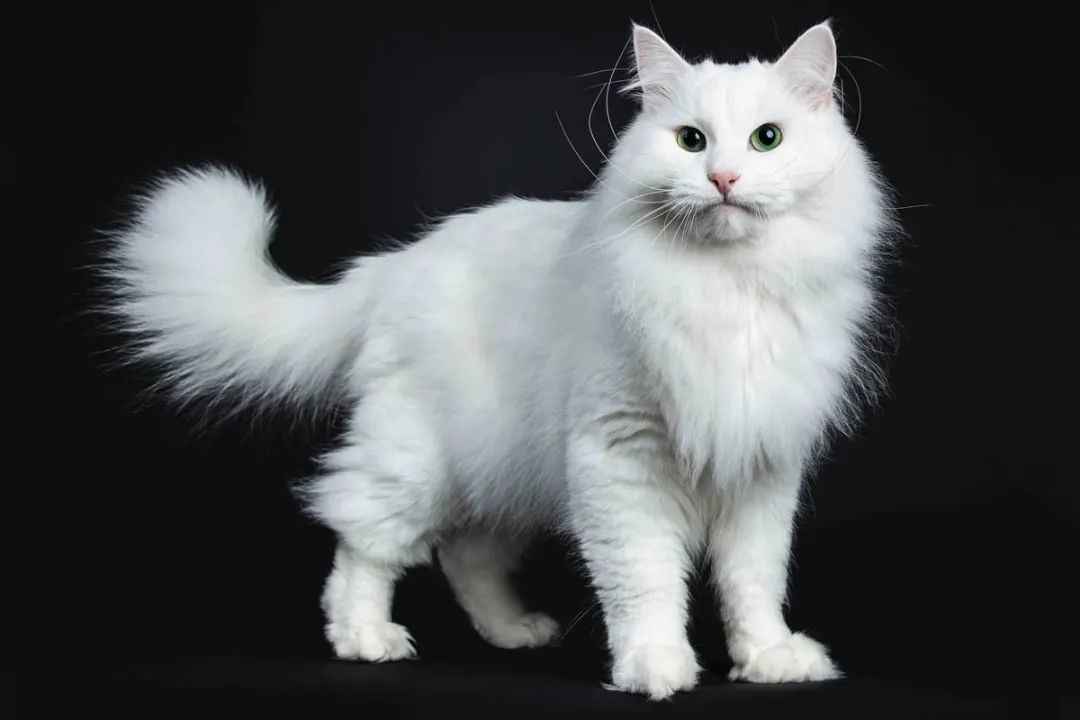
London, UK – The Siberian cat, a breed deeply intertwined with Russian heritage, has recently found itself at the center of a political storm in the UK. British Prime Minister Keir Starmer’s decision to adopt a Siberian kitten named “Prince” for his family at Downing Street sparked criticism from a former intelligence officer, who accused him of “supporting Russia” by choosing a Russian-bred cat over a British Shorthair12. The incident highlights the breed’s growing global popularity, as well as its cultural significance.
Originating in the harsh climates of Siberia, the Siberian cat is a natural breed with a history spanning centuries. These medium-to-large cats are known for their robust build, triple-layered fur, and striking almond-shaped eyes317. Their thick coat, designed to withstand extreme cold, comes in various colors and patterns, though chocolate and cinnamon hues are not recognized by major associations like TICA and CFA25. Weighing between 4.5 to 9 kilograms, Siberians are muscular and agile, with a lifespan of 10 to 18 years318.
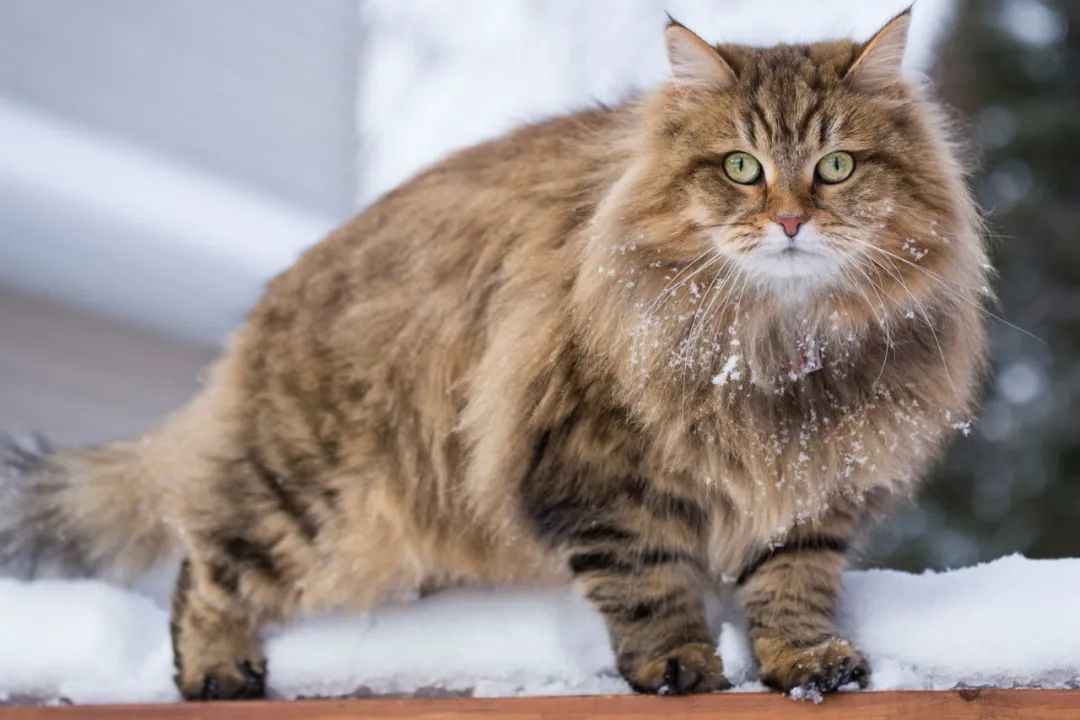
Source: Images from the Internet, if there is any infringement, please contact the removal of
One of the breed’s most celebrated traits is its hypoallergenic potential. While no cat is entirely allergy-free, Siberians produce significantly less of the Fel d1 protein—a primary allergen—than other breeds. Research suggests that up to 50% of Siberians have allergen levels below average, making them a popular choice for individuals with cat allergies910. However, experts emphasize that sensitivity varies, and potential owners should spend time with a Siberian before adoption14.
Despite their hardy reputation, Siberians are prone to genetic health issues such as hypertrophic cardiomyopathy (HCM), a heart condition, and polycystic kidney disease (PKD)1315. Responsible breeders prioritize genetic testing to minimize these risks, ensuring kittens are screened for hereditary disorders1423.
Behaviorally, Siberians are affectionate and sociable, thriving in family environments. They form strong bonds with humans and often get along well with children and other pets310. Their intelligence and playful nature make them trainable, with some even learning to walk on leashes10.
The breed’s recognition by international associations began in the late 20th century. TICA granted championship status to Siberians in 1996, followed by CFA in 2000311. Today, they rank among the top 10 most popular cat breeds globally, celebrated for their regal appearance and adaptable personalities8.
Back in the UK, Prime Minister Starmer’s choice of a Siberian has reignited debates about pet ownership and national identity. While critics labeled the decision “absurd,” many defended it as a harmless act of family bonding1. Regardless of the controversy, the Siberian cat’s enduring appeal—rooted in its resilience, beauty, and unique genetic traits—continues to captivate cat lovers worldwide.
For those considering adding a Siberian to their family, experts recommend sourcing kittens from reputable breeders who prioritize health and temperament. With proper care, these majestic cats can bring joy and companionship for years to come.