Australian Cattle Dog: A Resilient Breed with a Storied Past and Modern Adaptability


Canine News
Australian Cattle Dog: A Resilient Breed with a Storied Past and Modern Adaptability

The Australian Cattle Dog, affectionately known as the "Blue Heeler" or "Red Heeler," is a breed forged by Australia’s harsh outback to handle unruly cattle in extreme conditions. Developed in the 19th century through crosses of Dingoes, Collies, and Dalmatians, these dogs are celebrated for their endurance, intelligence, and loyalty 516.

Origins and Physical Traits

Bred to work tirelessly under the scorching Australian sun, the Australian Cattle Dog boasts a compact, muscular build with a weather-resistant double coat. Their distinct blue or red speckled fur, coupled with alert brown eyes and pricked ears, reflects their hardy heritage 522. Standing 17–20 inches tall and weighing 30–62 pounds, they combine agility with strength, enabling quick bursts of speed and sudden stops essential for herding 516.

Temperament and Training Needs

These dogs are highly intelligent (ranked 10th in obedience trainability) but require structured mental and physical stimulation to thrive 5. Their innate herding instincts may lead them to nip at heels, necessitating early socialization to curb overprotective behavior 2022. A typical day for an Australian Cattle Dog includes rigorous exercise—long hikes, agility training, or herding tasks—and puzzle toys to prevent boredom-induced destructiveness 520.

Health and Longevity

While generally robust, the breed faces hereditary challenges such as progressive retinal atrophy (PRA), hip dysplasia, and deafness 3415. Approximately 20% of Australian Cattle Dogs experience unilateral or bilateral deafness, detected via BAER testing 315. With proper care, they live 12–15 years, though a notable exception was an Australian Cattle Dog named Bluey, who held the Guinness World Record for the oldest dog at 29 years until 2023 116. However, the 2023 record holder, a Portuguese dog named Bobi, was stripped of his title in 2024 due to unverified age, leaving the breed’s longevity legacy intact 2324.

Modern Roles and Adaptability

Beyond herding, Australian Cattle Dogs excel in canine sports like agility and obedience trials, showcasing their versatility 11. Despite advancements in agricultural technology—such as AI-driven herding robots like SwagBot, which monitors pasture health and livestock—these dogs remain irreplaceable for their intuitive problem-solving and bond with humans 182526. They thrive in rural settings but can adapt to suburban life with dedicated owners committed to meeting their needs 520.

Conclusion

The Australian Cattle Dog’s blend of resilience, intelligence, and loyalty makes it a standout breed. Whether working on vast Australian ranches or competing in international sports, these dogs embody the spirit of their rugged origins. While technological innovations reshape farming practices, the Australian Cattle Dog’s legacy as a devoted partner and hardworking companion endures.


For more updates on canine breeds and agricultural innovations, follow our global animal welfare coverage.

Latest Stories
Travel News1 minute readA climate specialist stated that the May just concluded ranks as the second warmest May globally since meteorological record-keeping began. Over the past month, temperatures across Europe surged sharply from below-average levels to fuel one of the continent’s most ferocious heatwaves. This year’s heatwave arrived earlier than any previously documented, shattering dozens of May temperature benchmarks, with France, the United Kingdom, Ireland and Portugal bearing the brunt of the extreme heat.
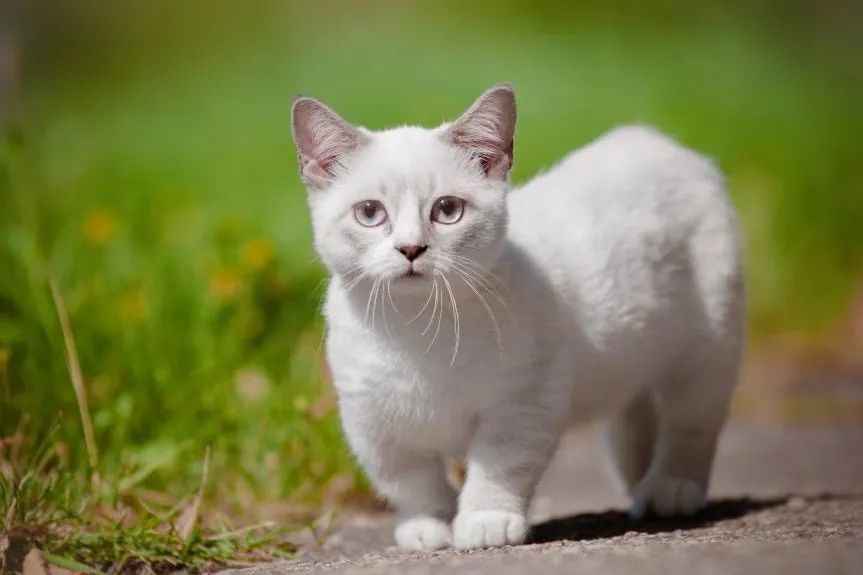
Feline News1 minute readMinuet cats, also known as Napoleon cats, are a delightful and relatively new feline breed that have been winning the hearts of cat lovers around the world with their adorable appearance and friendly personalities.
Feline News1 minute readThe Balinese cat, also known as the Bali cat or Java cat, is a charming medium - sized long - haired cat. It originated in the United States and is a long - haired mutant of the Siamese cat. It is named the Balinese cat because its movements are 酷似 those of the native Balinese dancers.
Feline News2 minute readThe Exotic Shorthair, often dubbed the "lazy man’s Persian," has solidified its status as one of the most beloved cat breeds globally, blending the elegance of Persians with the low-maintenance charm of American Shorthairs. Developed in the 1960s by American breeders aiming to create a short-haired Persian variant, this breed has since captivated cat lovers with its round face, plush coat, and laid-back demeanor 28.
Travel News2 minute readNestled along the cliffs of the French Riviera (Côte d'Azur), the Trois Corniches de Nice—three coastal roads ascending from sea level to mountain heights—offer some of Europe’s most dramatic views. Stretching eastward from Nice, the Lower Corniche (Corniche Inférieure), Middle Corniche (Moyenne Corniche), and Upper Corniche (Grande Corniche) each provide a unique perspective of the Mediterranean, making them a pilgrimage for road-trippers and photographers alike.
Travel News2 minute readThe soul of Colmar lies in its half-timbered houses, dating back to the 16th century. These whimsical structures feature exposed wooden frames in geometric patterns, their facades painted in vibrant hues like buttercup yellow and sky blue. Flower-boxed windows and playful figurines adorn the facades, while their reflections dance on the Lauch River, creating the iconic Petite Venise (Little Venice) district. Here, fishermen pilot flower-decked boats, and riverside bistros serve Alsatian specialties like choucroute garnie, evoking scenes from Hayao Miyazaki’s Howl’s Moving Castle.
Feline News2 minute readThe Oriental Longhair, a breed celebrated for its elegance and intelligence, traces its roots to mid-20th-century breeding programs aimed at expanding the color and pattern diversity of Siamese cats . Developed through crosses with breeds like Russian Blues and British Shorthairs, these cats gained recognition in the 1970s and were officially acknowledged by The International Cat Association (TICA) in 1979 and the Cat Fanciers' Association (CFA) in 1995 .