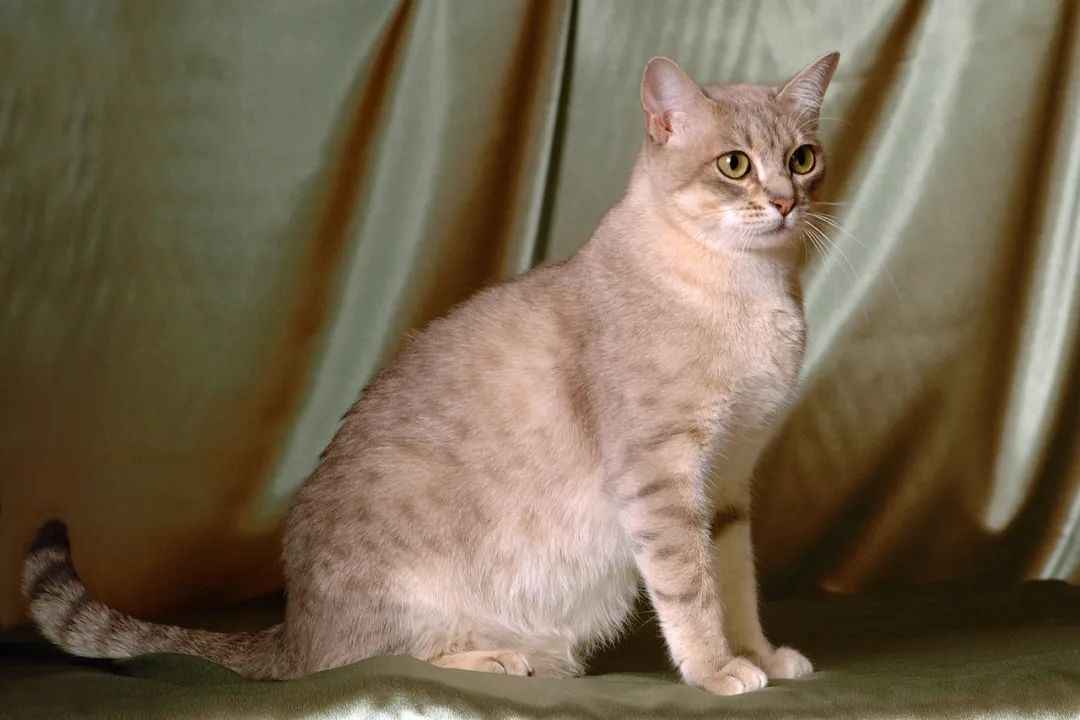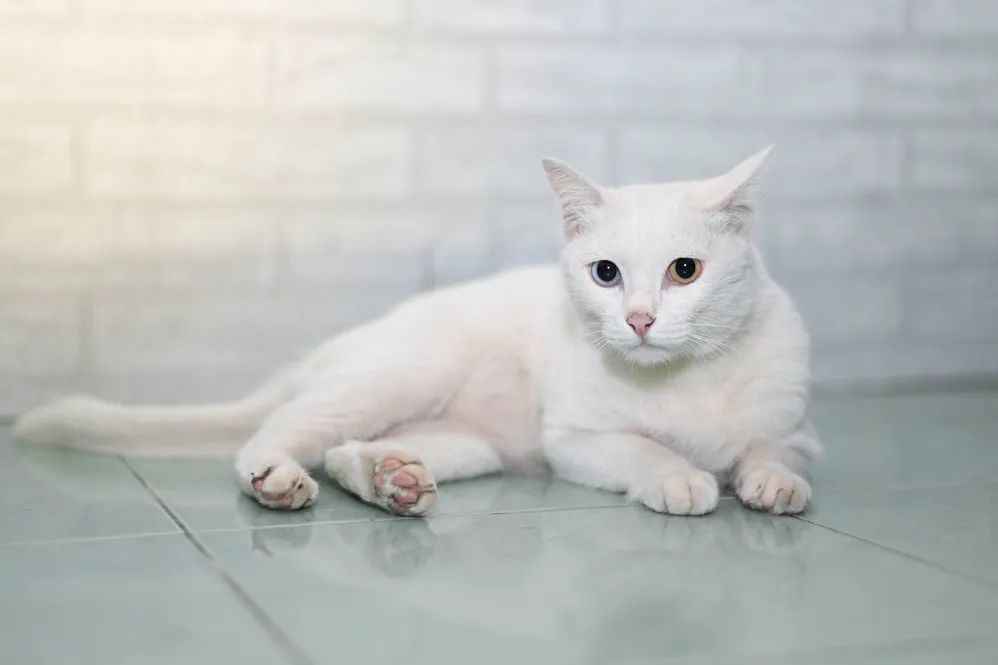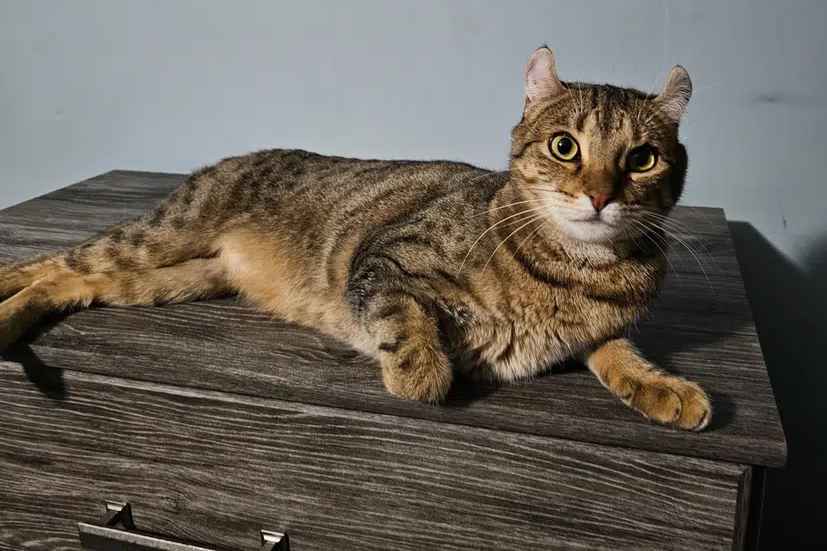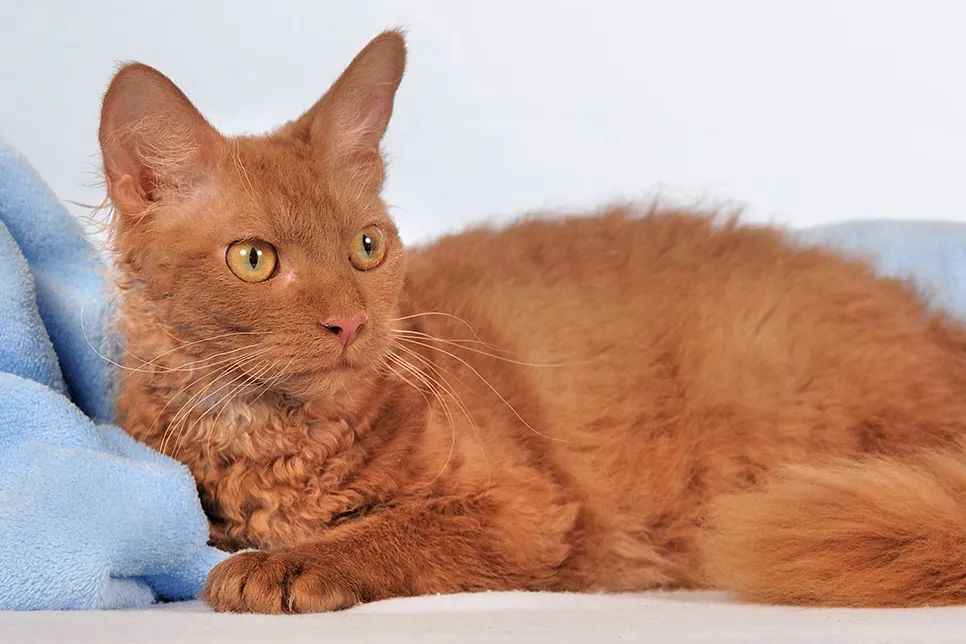
Originating from the sunlit backyards of Australia, the Australian Mist cat has emerged as a captivating feline breed celebrated for its striking appearance, affectionate nature, and unique role in wildlife conservation. Developed by Dr. Truda Straede in the 1970s, this breed combines the best traits of Burmese, Abyssinian, and domestic shorthair cats to create a companion that thrives indoors while minimizing ecological impact. Now recognized internationally, the Australian Mist is gaining traction as a symbol of Australia’s innovation in cat breeding.
A Breed Born from Science and Sustainability
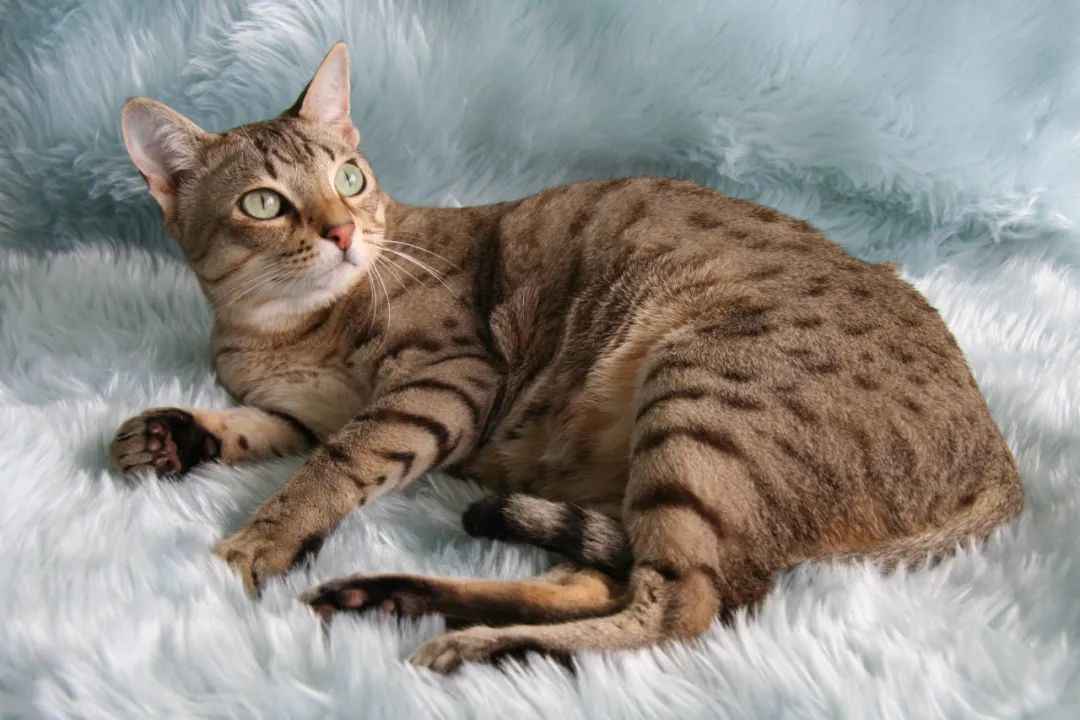
Dr. Straede, an ecologist and cat enthusiast, embarked on a mission to create a cat that would coexist harmoniously with Australian wildlife. By crossing Burmese (for sociability and coat colors), Abyssinian (for intelligence and ticked patterns), and domestic shorthairs (for robust health), she achieved her goal after nine years of meticulous breeding. The result: a medium-sized cat with a short, misty coat featuring spots or marbled patterns in seven earthy tones, from chocolate to peach, complemented by large, expressive green eyes.
The breed’s genetic diversity—derived from over 30 foundation cats—ensures robust health, with minimal risk of hereditary diseases. Australian Mists typically live 14–18 years, though owners should monitor dental health and hydration to prevent kidney issues. Their low-maintenance coat requires weekly brushing, making them ideal for busy households.
Source: Images from the Internet, if there is any infringement, please contact the removal of
Australian Mists are renowned for their people-centric demeanor. They crave human interaction, adapt seamlessly to indoor life, and thrive in families with children or other pets. Dr. Straede emphasized their “laid-back” nature, noting they “love people above all else” but retain a playful streak, making them engaging companions. This temperament, combined with their intelligence, allows them to excel in interactive play and even basic training.
While initially confined to Australia, the Australian Mist has expanded its footprint. The International Cat Association (TICA) granted it championship status in 2014, and it is now recognized by the World Cat Federation and the UK’s Governing Council of the Cat Fancy. Breeders in the UK, US, and Norway are working to establish sustainable populations, with kittens often sold out months in advance.
Beyond their appeal as pets, Australian Mists serve an ecological purpose. Dr. Straede’s vision to reduce feral cat predation on native wildlife has been realized through their indoor-friendly nature. Breeders now prioritize homes with enclosed outdoor spaces, ensuring these cats contribute to conservation efforts while enriching human lives.
As demand grows, Australian Mist breeders emphasize ethical practices, including DNA testing to avoid inherited defects like Burmese head syndrome. With their striking appearance, gentle disposition, and role in wildlife protection, these cats embody the perfect blend of science, sustainability, and companionship. Whether lounging in a Sydney apartment or gracing a London cat show, the Australian Mist continues to charm as Australia’s feline ambassador.
Expert Perspective
“Australian Mists are a testament to responsible breeding,” says Jane Doe, president of the Australian Cat Federation. “Their genetic diversity and adaptable nature make them a model for future breeds prioritizing health and temperament.”