Cirneco dell’Etna: Sicily’s Ancient Volcanic Hound and Loyal Guardian


Canine News
Cirneco dell’Etna: Sicily’s Ancient Volcanic Hound and Loyal Guardian

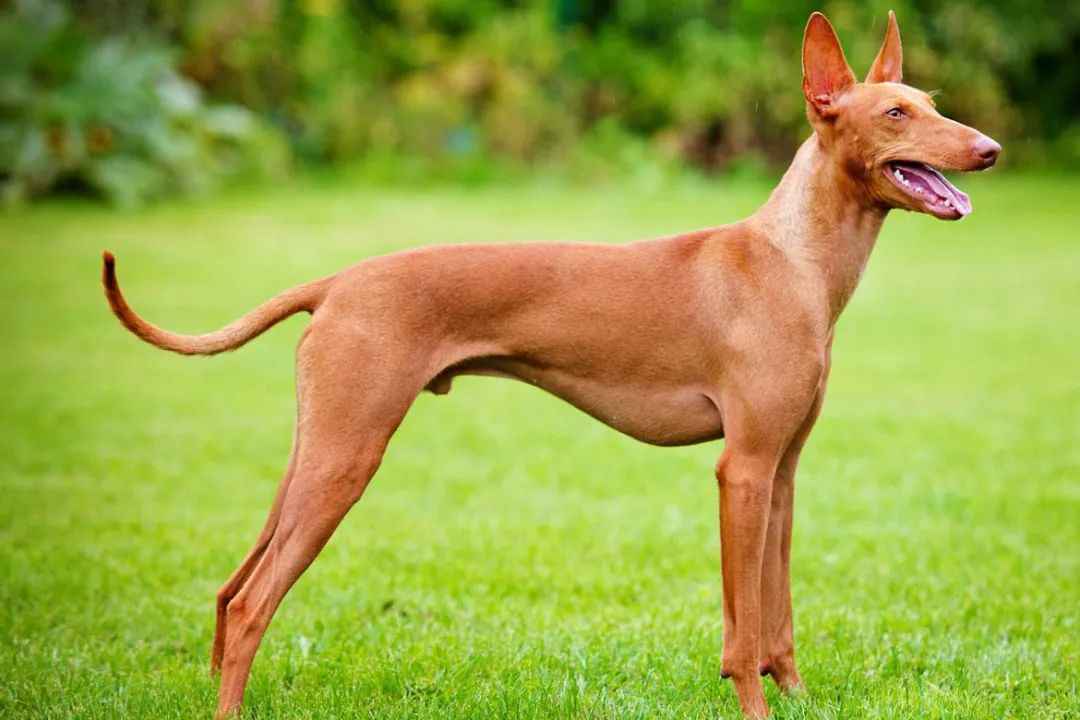
The Cirneco dell’Etna, one of the Mediterranean’s oldest dog breeds, traces its origins back 3,000 years to ancient Egypt. Genetic evidence suggests their ancestors arrived in Sicily via Phoenician traders from North Africa, adapting over millennia to the rugged terrain around Mount Etna1. This medium-sized hound stands 40-50 cm tall and weighs 8-15 kg, characterized by a short, smooth coat in shades of red or wheat, and distinctive upright ears resembling a miniature Pharaoh Hound28.


A testament to natural selection, the Cirneco dell’Etna evolved unique survival skills in Sicily’s volcanic landscape. Relying on both keen eyesight and an exceptional sense of smell, these dogs can track small prey like rabbits for hours in arid conditions, even collaborating with ferrets to avoid unnecessary digging310. Their presence in Sicilian culture is documented as far back as 450 BCE, with depictions on ancient coins from Segesta1.


By the early 20th century, the breed faced extinction due to modern hunting practices. In 1932, veterinarian Maurizio Migneco’s article in Il Cacciatore Italiano sparked awareness, prompting Baroness Agata Paterno Castello to dedicate 25 years to its revival. The breed gained official recognition from Italy’s Kennel Club in 1939 and joined the American Kennel Club (AKC) roster in 201510. Though still rare globally, conservation efforts have stabilized their population.


Today, the Cirneco dell’Etna serves as both a cultural icon and a devoted companion. Adapted to Mediterranean climates, they thrive in warmth but struggle in cold weather. While retaining strong hunting instincts, trained individuals excel in agility competitions, showcasing their athleticism35. A living link to Sicily’s past, this volcanic hound embodies resilience, carrying forward a millennia-old legacy with grace.
Latest Stories
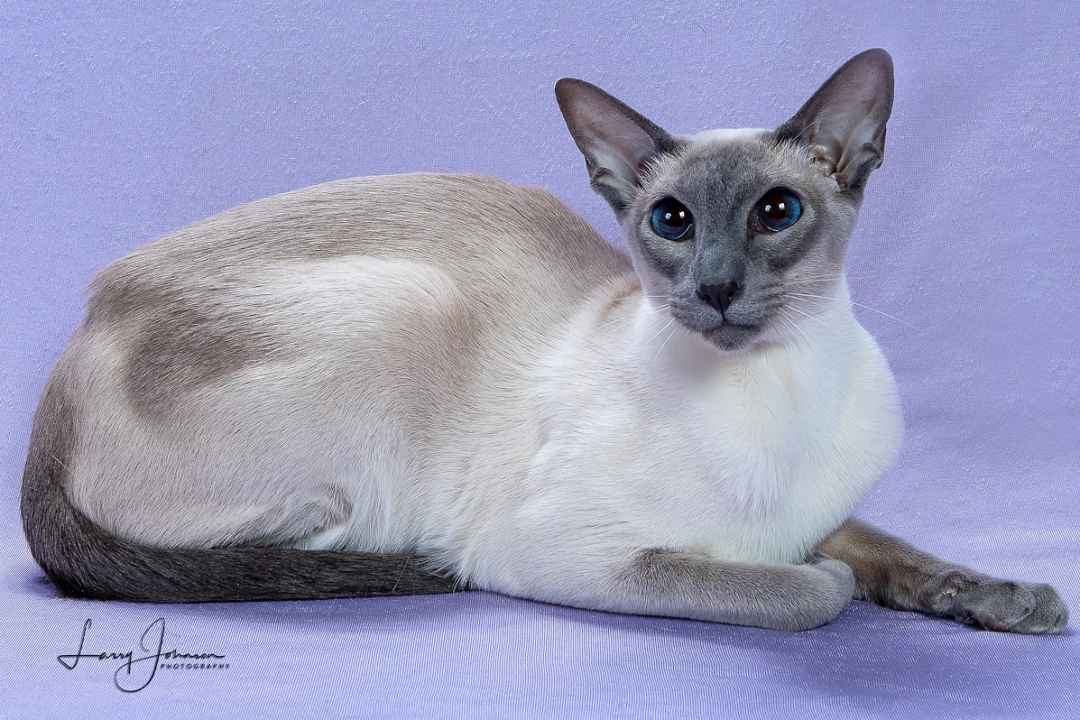
Feline News2 minute readThe Oriental Longhair, a breed celebrated for its elegance and intelligence, traces its roots to mid-20th-century breeding programs aimed at expanding the color and pattern diversity of Siamese cats . Developed through crosses with breeds like Russian Blues and British Shorthairs, these cats gained recognition in the 1970s and were officially acknowledged by The International Cat Association (TICA) in 1979 and the Cat Fanciers' Association (CFA) in 1995 .
Feline News2 minute readThe Korat cat, originating from Thailand’s Nakhon Ratchasima province (formerly Korat), is a breed deeply rooted in history and cultural significance. Revered for centuries as a symbol of good luck and prosperity, these silver-blue felines have enchanted the world with their striking appearance and affectionate nature.
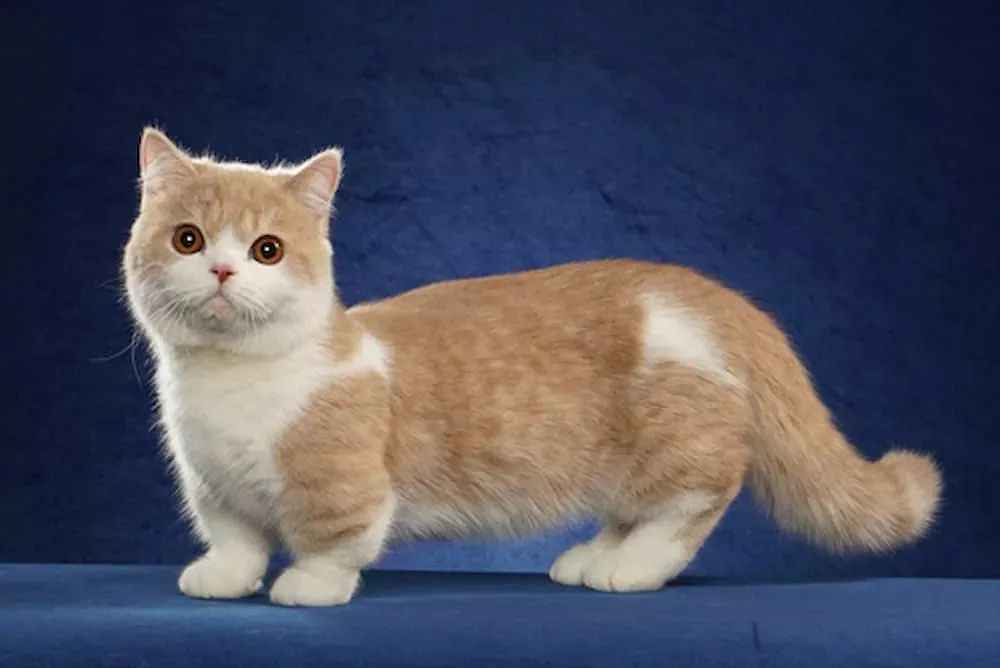
Feline News2 minute readA heartwarming tale of survival and companionship has thrust the Munchkin cat into the global spotlight, showcasing the breed’s unique charm and indomitable spirit. Mochi, an 8-month-old Munchkin rescued from a life-threatening illness, has become an international symbol of hope, embodying the resilience and playful nature that define these short-legged felines.
Travel News2 minute readPerched atop an 82-meter volcanic plug in Le Puy-en-Velay, France, the Chapelle Saint-Michel d’Aiguilhe stands as a testament to faith and engineering prowess. Built in 962 AD, this architectural marvel balances precariously on a basaltic rock formation, blending Romanesque austerity with Moorish-inspired ornamentation to create one of Europe’s most dramatic religious landmarks.
Feline News2 minute readRagamuffin cats, affectionately known as "muffins," have captured the hearts of cat lovers worldwide with their plush coats, docile personalities, and striking appearance. Originating in the United States in the 1990s, this breed emerged from a group of breeders seeking to expand the genetic diversity of Ragdoll cats. By crossing Ragdolls with Persians, Himalayans, and other long-haired breeds, they created a larger, more robust feline with a broader range of coat colors and patterns
Canine News2 minute readOriginating in the early 20th century, the American White Shepherd traces its lineage to the German Shepherd. Due to a recessive white coat gene, these dogs were long considered "flawed" in Germany and systematically culled from breeding programs12. However, North American breeders recognized their unique appeal and selectively developed them into a distinct breed, officially acknowledged by the United Kennel Club (UKC) in 199917
Canine News1 minute readAs the world's first operational vertical/short takeoff and landing (V/STOL) fighter jet, the British-developed Harrier, nicknamed the "Jump Jet," has left an indelible mark on aviation history through its groundbreaking design and combat prowess.