Czechoslovakian Terrier: A Loyal Companion with a Rich Histor


Canine News
Czechoslovakian Terrier: A Loyal Companion with a Rich Histor

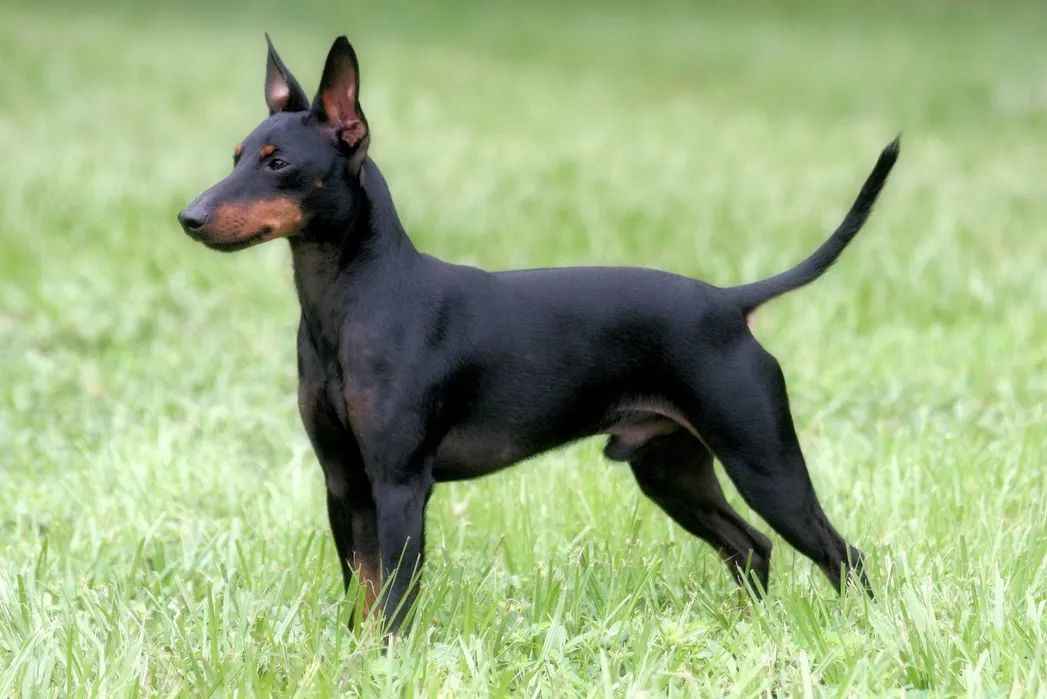
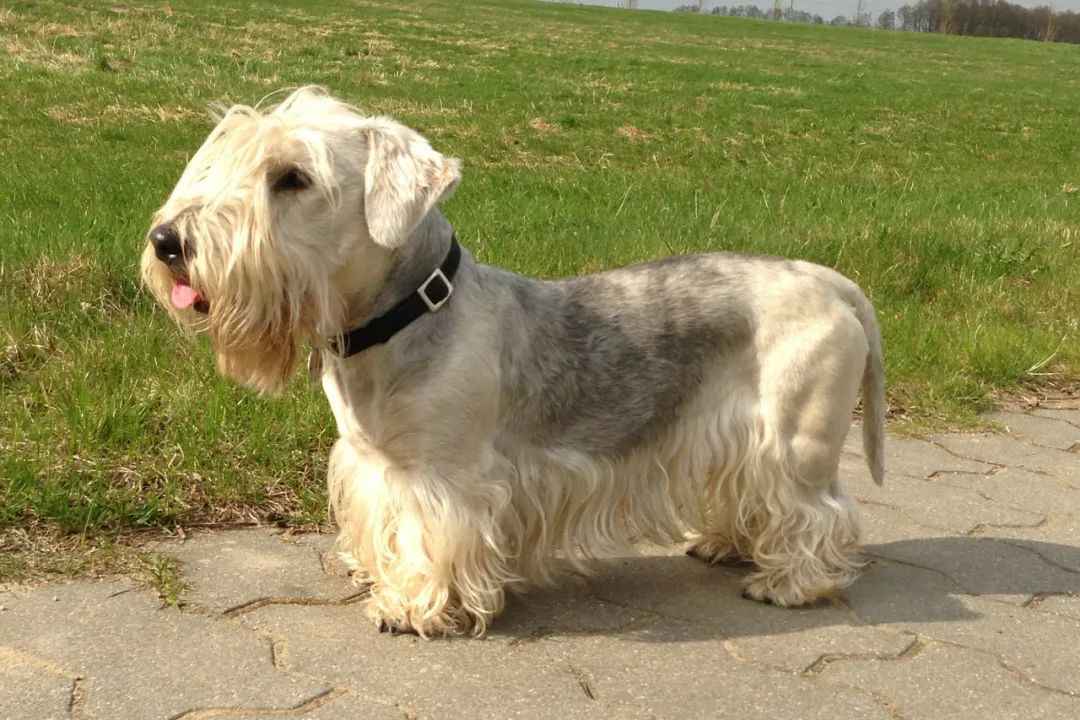
The Czechoslovakian Terrier, also known as the Český Terrier or Bohemian Terrier, is a rare and versatile breed with roots deeply intertwined with Czechoslovakia’s hunting heritage. Developed in 1948 by Czech breeder František Horák, this terrier was created through a cross between the Scottish Terrier and Sealyham Terrier, aiming to produce a dog suited for tracking game in Bohemia’s dense forests14. Recognized by the Fédération Cynologique Internationale (FCI) in 1963, it has since gained global acclaim, joining major kennel clubs like the AKC in 2011 and the UK Kennel Club in 1990212.


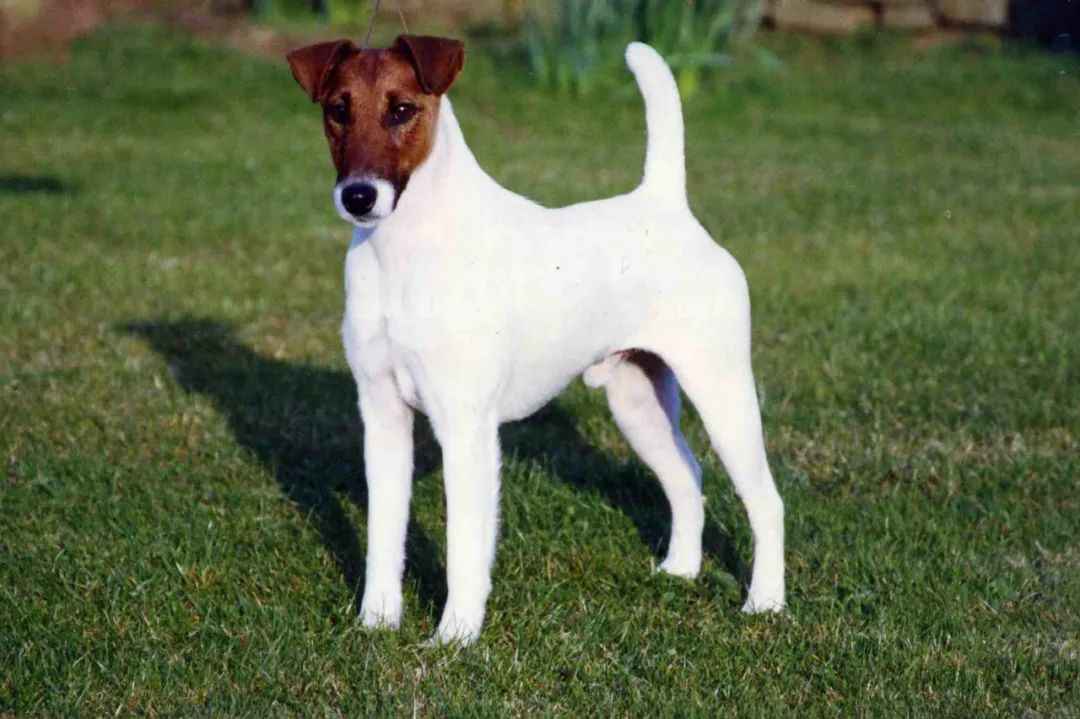
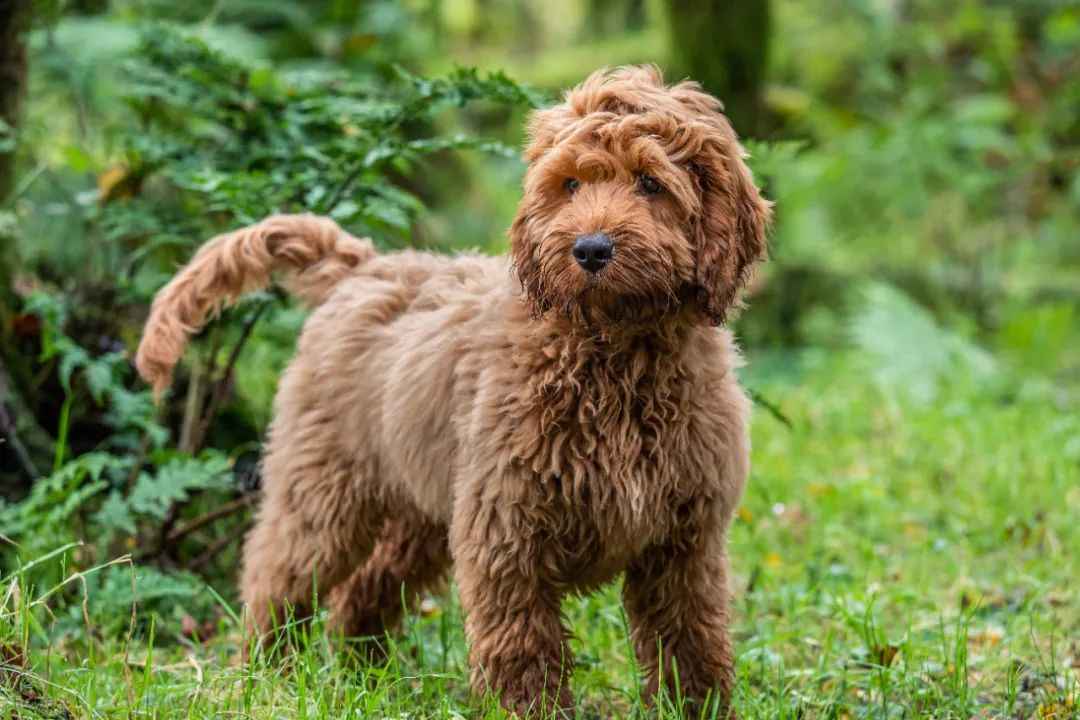
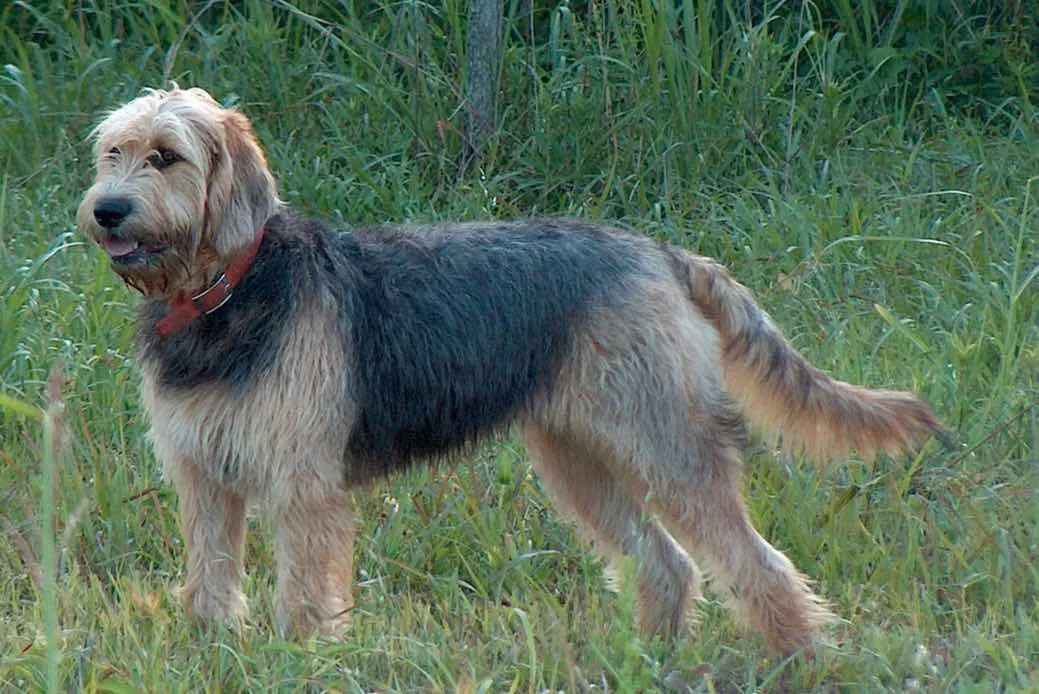
Physically, the Czechoslovakian Terrier is a compact, muscular dog with a distinctive silky coat in shades of gray (from charcoal to platinum) or rare brown, often with lighter markings56. Standing 10.5–11.5 inches tall and weighing 5.9–10 kg, its long head, drooping ears, and deep-set brown eyes exude intelligence and alertness. The breed’s unique grooming style—clipped body fur with longer hair retained on the legs, chest, and face—adds to its elegant appearance59.


Known for its calm demeanor, the Czechoslovakian Terrier is surprisingly mellow compared to other terriers. It thrives as a family pet, displaying loyalty, patience, and affection, especially toward children17. While it retains hunting instincts (e.g., digging and chasing small prey), early socialization and training help channel its energy into obedient behavior. Unlike high-strung terriers, it adapts well to apartment living with moderate daily exercise411.


Health-wise, the breed generally lives 12–15 years but may face hip dysplasia, patellar luxation, or lens luxation. Responsible breeders screen for these conditions. Regular grooming—brushing twice weekly and professional clipping—is essential to maintain its coat’s health and prevent matting811.


Today, the Czechoslovakian Terrier remains one of the world’s rarest breeds, cherished for its versatility as both a hunting partner and a devoted companion. Its rich history, combined with its gentle temperament and striking appearance, cements its status as a beloved canine ambassador from Central Europe.
Latest Stories
Feline News2 minute readThe Oriental Longhair, a breed celebrated for its elegance and intelligence, traces its roots to mid-20th-century breeding programs aimed at expanding the color and pattern diversity of Siamese cats . Developed through crosses with breeds like Russian Blues and British Shorthairs, these cats gained recognition in the 1970s and were officially acknowledged by The International Cat Association (TICA) in 1979 and the Cat Fanciers' Association (CFA) in 1995 .
Feline News2 minute readThe Korat cat, originating from Thailand’s Nakhon Ratchasima province (formerly Korat), is a breed deeply rooted in history and cultural significance. Revered for centuries as a symbol of good luck and prosperity, these silver-blue felines have enchanted the world with their striking appearance and affectionate nature.
Feline News2 minute readA heartwarming tale of survival and companionship has thrust the Munchkin cat into the global spotlight, showcasing the breed’s unique charm and indomitable spirit. Mochi, an 8-month-old Munchkin rescued from a life-threatening illness, has become an international symbol of hope, embodying the resilience and playful nature that define these short-legged felines.
Travel News2 minute readPerched atop an 82-meter volcanic plug in Le Puy-en-Velay, France, the Chapelle Saint-Michel d’Aiguilhe stands as a testament to faith and engineering prowess. Built in 962 AD, this architectural marvel balances precariously on a basaltic rock formation, blending Romanesque austerity with Moorish-inspired ornamentation to create one of Europe’s most dramatic religious landmarks.
Feline News2 minute readRagamuffin cats, affectionately known as "muffins," have captured the hearts of cat lovers worldwide with their plush coats, docile personalities, and striking appearance. Originating in the United States in the 1990s, this breed emerged from a group of breeders seeking to expand the genetic diversity of Ragdoll cats. By crossing Ragdolls with Persians, Himalayans, and other long-haired breeds, they created a larger, more robust feline with a broader range of coat colors and patterns
Canine News2 minute readOriginating in the early 20th century, the American White Shepherd traces its lineage to the German Shepherd. Due to a recessive white coat gene, these dogs were long considered "flawed" in Germany and systematically culled from breeding programs12. However, North American breeders recognized their unique appeal and selectively developed them into a distinct breed, officially acknowledged by the United Kennel Club (UKC) in 199917
Canine News1 minute readAs the world's first operational vertical/short takeoff and landing (V/STOL) fighter jet, the British-developed Harrier, nicknamed the "Jump Jet," has left an indelible mark on aviation history through its groundbreaking design and combat prowess.