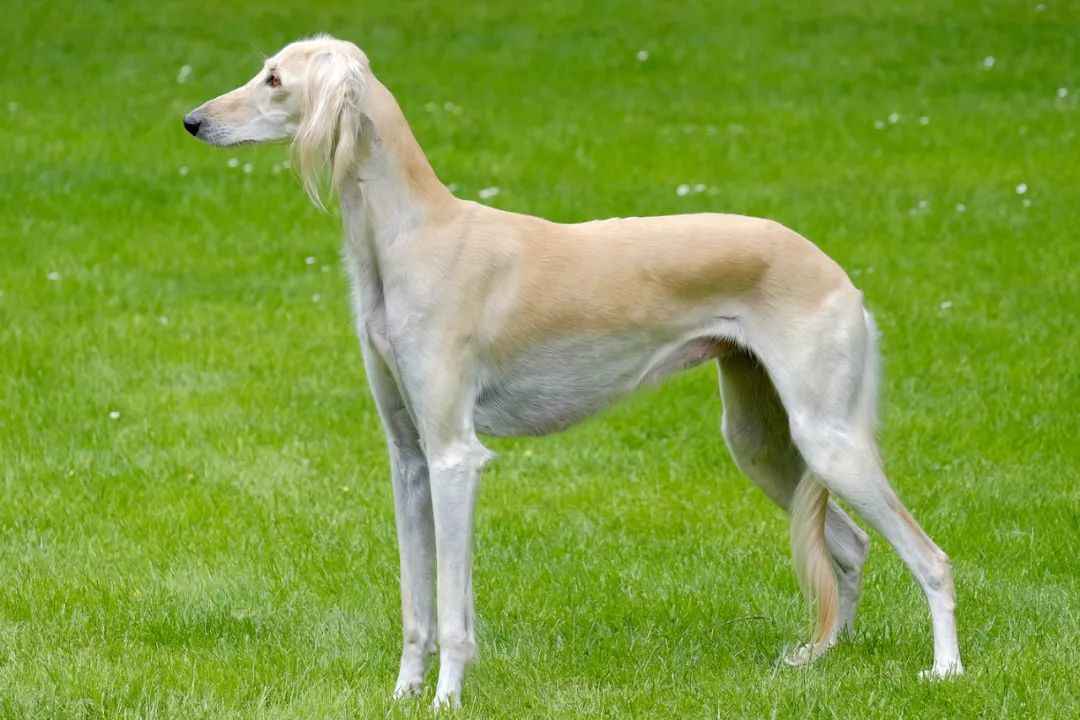
The Saluki, renowned as the "Wind of the Desert," stands as one of the world’s oldest dog breeds, tracing its history back to 3000 BCE in the Middle East. This hound, blending speed and elegance, once served as a cherished companion to Egyptian pharaohs and Arabian nobles, and today continues to captivate modern society with its timeless allure.
Desert Spirit Across Millennia: Exploring the Ancient and Elegant Saluki
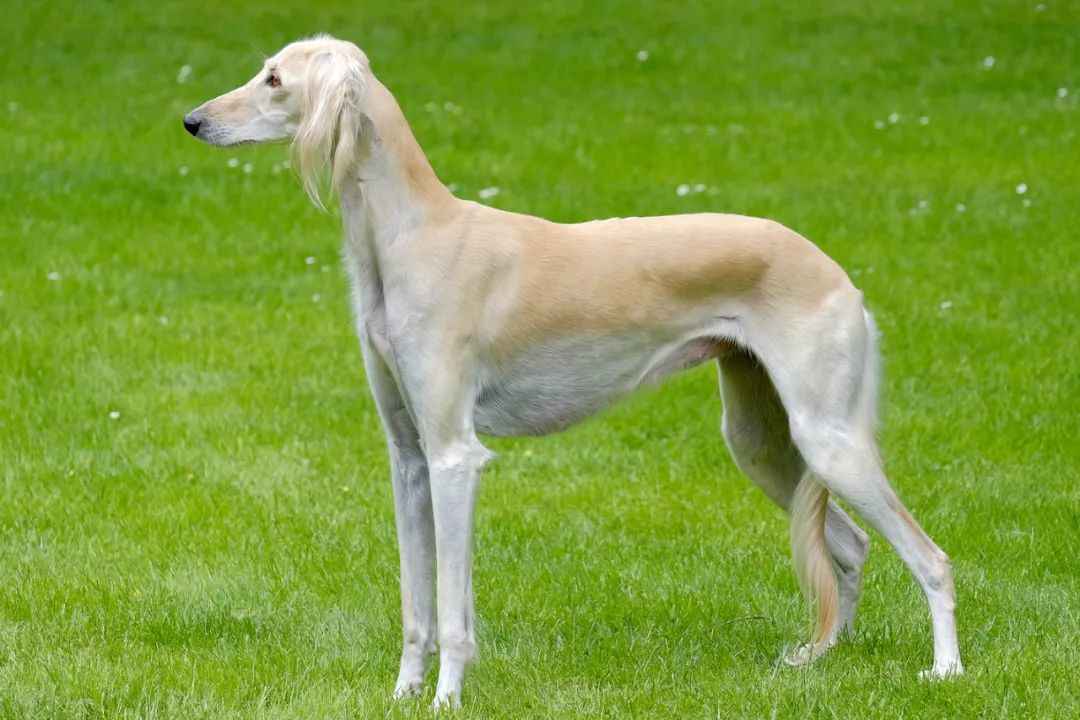
Source: Images from the Internet, if there is any infringement, please contact the removal of
The Saluki, renowned as the "Wind of the Desert," stands as one of the world’s oldest dog breeds, tracing its history back to 3000 BCE in the Middle East. This hound, blending speed and elegance, once served as a cherished companion to Egyptian pharaohs and Arabian nobles, and today continues to captivate modern society with its timeless allure.
The Saluki’s origins are steeped in mystery, with its name possibly derived from the ancient Yemeni city of Saluk or the Bani Saluk tribe. Archaeological evidence—including sculptures and murals in Egyptian tombs—depicts hounds strikingly similar to the Saluki, confirming its status as a "royal dog." In the Middle Ages, Arab nomadic tribes revered it as a "gift from Allah," using it to hunt gazelles and imbuing it with religious symbolism. Introduced to Europe in the late 19th century, the Saluki gained official recognition from the American Kennel Club (AKC) in 1927, solidifying its global standing.
The Saluki boasts a streamlined physique and graceful bearing, standing 23–28 inches (58–71 cm) tall and weighing 20–30 kg. It combines explosive speed with endurance, featuring a long, narrow head, deep amber-colored eyes, silky floppy ears, and a feathered tail. Its coat comes in smooth or feathered varieties, often in desert hues like white, cream, or gold—an adaptation for heat dissipation in arid climates. This design enables it to chase prey at 46–64 km/h.
Salukis are gentle and loyal to their owners but reserved with strangers. As natural sighthounds, their hunting instinct is strong, requiring early training to curb chasing behaviors. While energetic outdoors, they are calm indoors, thriving on family companionship. Notably, they are sensitive to loneliness and need ample exercise and interaction to avoid behavioral issues.
In the Middle East, Salukis still partake in traditional hunting, particularly in the Rub’ al Khali Desert of the UAE, where they collaborate with falcons. They also serve as cultural icons: Abu Dhabi’s Saluki Center preserves this heritage through exhibitions and educational programs. In international dog shows, Salukis frequently excel for their elegance, with the AKC standard emphasizing "a blend of speed, stamina, and power."
Salukis typically live 10–17 years but may face genetic disorders like dilated cardiomyopathy, hip dysplasia, and neuronal ceroid lipofuscinosis (NCL8). Routine care includes weekly brushing, ear cleaning, and a high-protein diet to maintain muscle mass. Due to their skeletal structure, obesity poses joint risks, so moderate daily exercise is advised.
From the murals of pharaohs’ tombs to the spotlight of modern dog shows, the Saluki weaves a five-millennia legend of elegance and resilience. Whether as a hunting partner or family pet, this "desert spirit" continues to bridge ancient civilizations with contemporary life, embodying a timeless bond between history and humanity.