Elf Cat: A Unique Feline Breed Gaining Popularity Among Enthusiasts


Feline News
Elf Cat: A Unique Feline Breed Gaining Popularity Among Enthusiasts

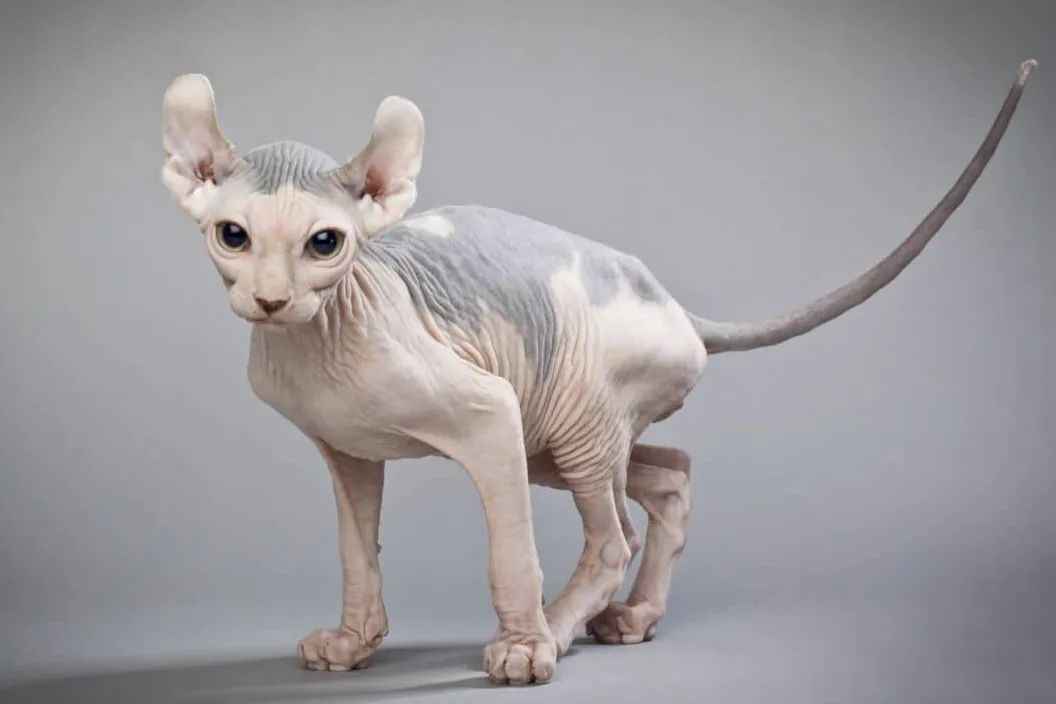
The Elf cat, a relatively new and distinctive feline breed, has been capturing the attention of cat lovers worldwide with its striking appearance and affectionate nature. Developed through selective breeding, this breed is a cross between the Sphynx, known for its hairless body, and the American Curl, recognized for its uniquely curled ears. The result is a cat that stands out for its unusual looks and charming personality.

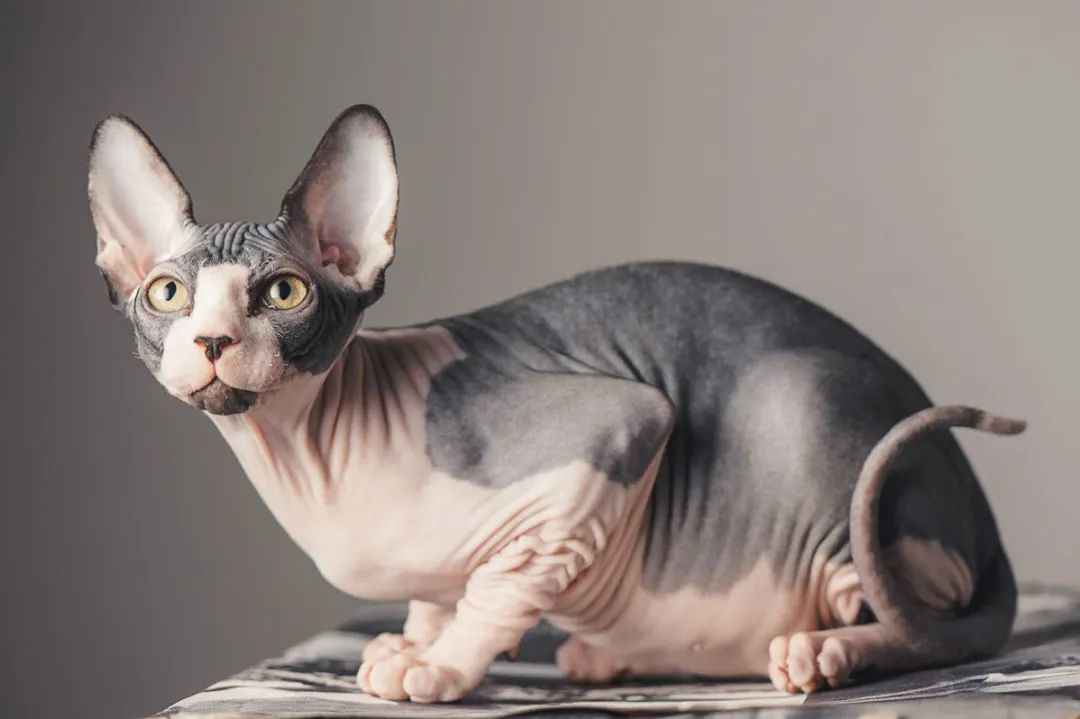
Physically, Elf cats are characterized by their lack of fur (or a very fine downy coat), muscular build, and large, expressive eyes. Their most notable feature, however, is their ears—small to medium in size, they curl backward in a graceful arc, adding to the breed’s elf-like appearance, which inspired its name. Despite their hairless exterior, these cats are not hypoallergenic, though they may produce less dander than some furry breeds, making them a consideration for those with mild allergies.


Temperamentally, Elf cats are described as social, playful, and highly affectionate. They thrive on human interaction and are known to form strong bonds with their owners, often following them around the house. They are also friendly with other pets and children, making them a great addition to family homes. Their active nature means they enjoy interactive toys and playtime, but they equally appreciate cuddling up on laps for warmth.


Originating in the early 2000s, the Elf cat is still considered a rare breed, with recognition from only a few cat registries, including The International Cat Association (TICA) in 2018. Breeders emphasize responsible breeding practices to ensure the health and well-being of these cats, as hairless breeds can be prone to certain skin conditions and sensitivity to extreme temperatures.


As interest in unique and exotic cat breeds grows, the Elf cat continues to gain a dedicated following. For those seeking a feline companion that combines individuality with a loving disposition, the Elf cat proves to be an intriguing and endearing choice.
Latest Stories
Feline News2 minute readThe Oriental Longhair, a breed celebrated for its elegance and intelligence, traces its roots to mid-20th-century breeding programs aimed at expanding the color and pattern diversity of Siamese cats . Developed through crosses with breeds like Russian Blues and British Shorthairs, these cats gained recognition in the 1970s and were officially acknowledged by The International Cat Association (TICA) in 1979 and the Cat Fanciers' Association (CFA) in 1995 .
Feline News2 minute readThe Korat cat, originating from Thailand’s Nakhon Ratchasima province (formerly Korat), is a breed deeply rooted in history and cultural significance. Revered for centuries as a symbol of good luck and prosperity, these silver-blue felines have enchanted the world with their striking appearance and affectionate nature.
Feline News2 minute readA heartwarming tale of survival and companionship has thrust the Munchkin cat into the global spotlight, showcasing the breed’s unique charm and indomitable spirit. Mochi, an 8-month-old Munchkin rescued from a life-threatening illness, has become an international symbol of hope, embodying the resilience and playful nature that define these short-legged felines.
Travel News2 minute readPerched atop an 82-meter volcanic plug in Le Puy-en-Velay, France, the Chapelle Saint-Michel d’Aiguilhe stands as a testament to faith and engineering prowess. Built in 962 AD, this architectural marvel balances precariously on a basaltic rock formation, blending Romanesque austerity with Moorish-inspired ornamentation to create one of Europe’s most dramatic religious landmarks.
Feline News2 minute readRagamuffin cats, affectionately known as "muffins," have captured the hearts of cat lovers worldwide with their plush coats, docile personalities, and striking appearance. Originating in the United States in the 1990s, this breed emerged from a group of breeders seeking to expand the genetic diversity of Ragdoll cats. By crossing Ragdolls with Persians, Himalayans, and other long-haired breeds, they created a larger, more robust feline with a broader range of coat colors and patterns
Canine News2 minute readOriginating in the early 20th century, the American White Shepherd traces its lineage to the German Shepherd. Due to a recessive white coat gene, these dogs were long considered "flawed" in Germany and systematically culled from breeding programs12. However, North American breeders recognized their unique appeal and selectively developed them into a distinct breed, officially acknowledged by the United Kennel Club (UKC) in 199917
Canine News1 minute readAs the world's first operational vertical/short takeoff and landing (V/STOL) fighter jet, the British-developed Harrier, nicknamed the "Jump Jet," has left an indelible mark on aviation history through its groundbreaking design and combat prowess.