Ethereal Prairie Smoke: A Mesmerizing Native Wildflower


Plant Information
Ethereal Prairie Smoke: A Mesmerizing Native Wildflower

Prairie smoke (Geum triflorum), a captivating perennial native to North America, enchants with its unique and otherworldly appearance. Found in open prairies, meadows, and woodlands across the continent, this plant has become an iconic symbol of the region's natural beauty, attracting both botanists and nature enthusiasts.


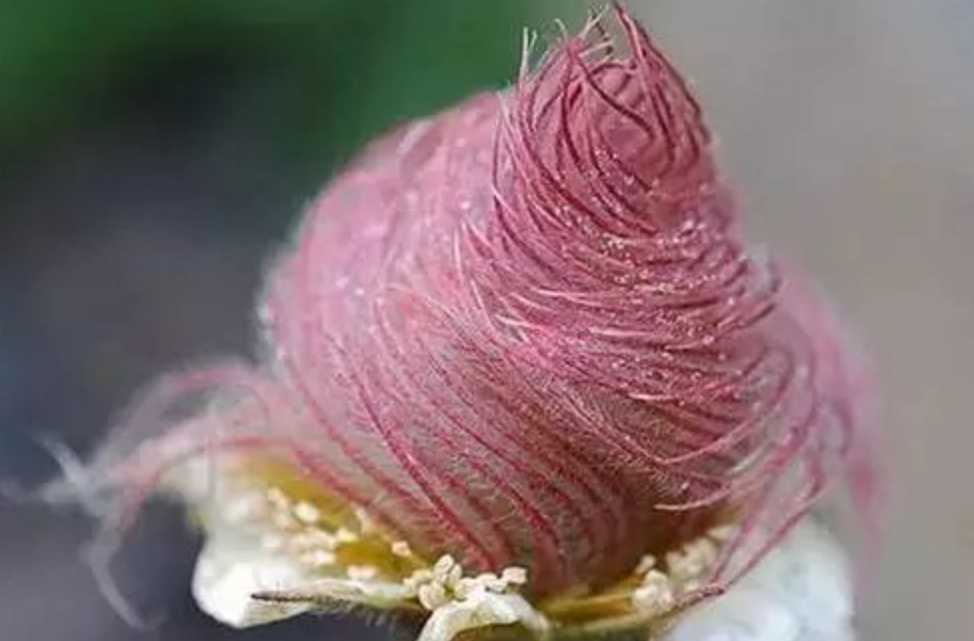
The plant's most striking feature is its distinctive inflorescence. In the early stages of bloom, the flowers emerge as nodding, bell-shaped structures with deep pink to reddish petals. As they mature, the petals fall away, revealing long, feathery styles that resemble wisps of smoke rising from the ground—hence the common name "prairie smoke." These plumed seed heads can grow up to 30 centimeters tall, swaying gently in the breeze, creating a mesmerizing, almost dreamlike scene in the landscape. The leaves of the prairie smoke are compound, with toothed leaflets that form a basal rosette, providing a lush green contrast to the delicate, airy flower stalks.


Prairie smoke is well-adapted to the harsh conditions of its native habitats. It thrives in well-drained soils and can tolerate both drought and cold temperatures. The plant plays a vital role in the ecosystem, serving as a food source for pollinators such as bees and butterflies during its blooming period. Later, the seeds become an important food resource for birds and small mammals. Additionally, prairie smoke has cultural significance for many indigenous communities. Some tribes used parts of the plant for medicinal purposes, believing it could treat ailments such as diarrhea and sore throats. In modern times, prairie smoke has gained popularity in native plant gardens and landscaping projects, not only for its ornamental value but also for its ability to support local wildlife. However, habitat loss due to urbanization and agricultural expansion poses a threat to its natural populations, making conservation efforts crucial to ensure the survival of this enchanting wildflower.
Latest Stories
Feline News2 minute readThe Oriental Longhair, a breed celebrated for its elegance and intelligence, traces its roots to mid-20th-century breeding programs aimed at expanding the color and pattern diversity of Siamese cats . Developed through crosses with breeds like Russian Blues and British Shorthairs, these cats gained recognition in the 1970s and were officially acknowledged by The International Cat Association (TICA) in 1979 and the Cat Fanciers' Association (CFA) in 1995 .
Feline News2 minute readThe Korat cat, originating from Thailand’s Nakhon Ratchasima province (formerly Korat), is a breed deeply rooted in history and cultural significance. Revered for centuries as a symbol of good luck and prosperity, these silver-blue felines have enchanted the world with their striking appearance and affectionate nature.
Feline News2 minute readA heartwarming tale of survival and companionship has thrust the Munchkin cat into the global spotlight, showcasing the breed’s unique charm and indomitable spirit. Mochi, an 8-month-old Munchkin rescued from a life-threatening illness, has become an international symbol of hope, embodying the resilience and playful nature that define these short-legged felines.
Travel News2 minute readPerched atop an 82-meter volcanic plug in Le Puy-en-Velay, France, the Chapelle Saint-Michel d’Aiguilhe stands as a testament to faith and engineering prowess. Built in 962 AD, this architectural marvel balances precariously on a basaltic rock formation, blending Romanesque austerity with Moorish-inspired ornamentation to create one of Europe’s most dramatic religious landmarks.
Feline News2 minute readRagamuffin cats, affectionately known as "muffins," have captured the hearts of cat lovers worldwide with their plush coats, docile personalities, and striking appearance. Originating in the United States in the 1990s, this breed emerged from a group of breeders seeking to expand the genetic diversity of Ragdoll cats. By crossing Ragdolls with Persians, Himalayans, and other long-haired breeds, they created a larger, more robust feline with a broader range of coat colors and patterns
Canine News2 minute readOriginating in the early 20th century, the American White Shepherd traces its lineage to the German Shepherd. Due to a recessive white coat gene, these dogs were long considered "flawed" in Germany and systematically culled from breeding programs12. However, North American breeders recognized their unique appeal and selectively developed them into a distinct breed, officially acknowledged by the United Kennel Club (UKC) in 199917
Canine News1 minute readAs the world's first operational vertical/short takeoff and landing (V/STOL) fighter jet, the British-developed Harrier, nicknamed the "Jump Jet," has left an indelible mark on aviation history through its groundbreaking design and combat prowess.