Field Spaniel: A Resilient Sporting Breed with a Rich Heritage


Canine News
Field Spaniel: A Resilient Sporting Breed with a Rich Heritage

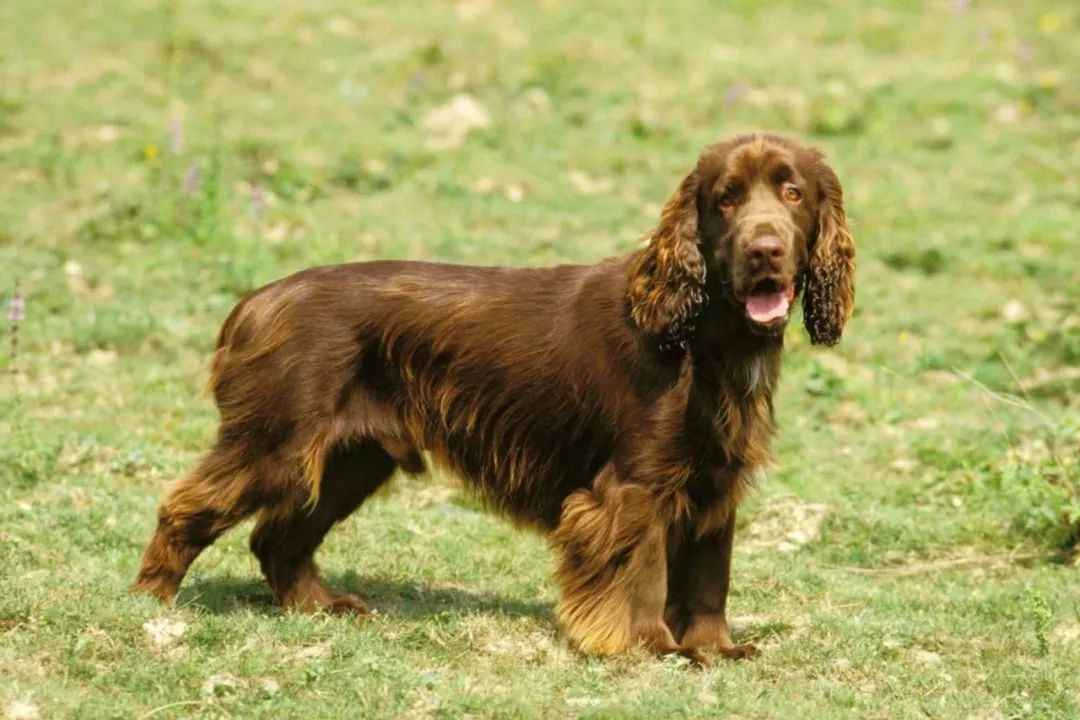
Originating in 19th-century England, the Field Spaniel is a medium-sized sporting dog developed through crosses of English Springer Spaniels, Cocker Spaniels, and Sussex Spaniels. Bred to excel in diverse terrains, this breed was officially recognized in 1892 for individuals exceeding 25 pounds, while smaller variants became English Cocker Spaniels23. However, excessive focus on exaggerated physical traits in early breeding led to health issues and near-extinction. A revival in the 1940s through selective crossbreeding with Cockers and Springers restored its functional form23.

Appearance & Temperament
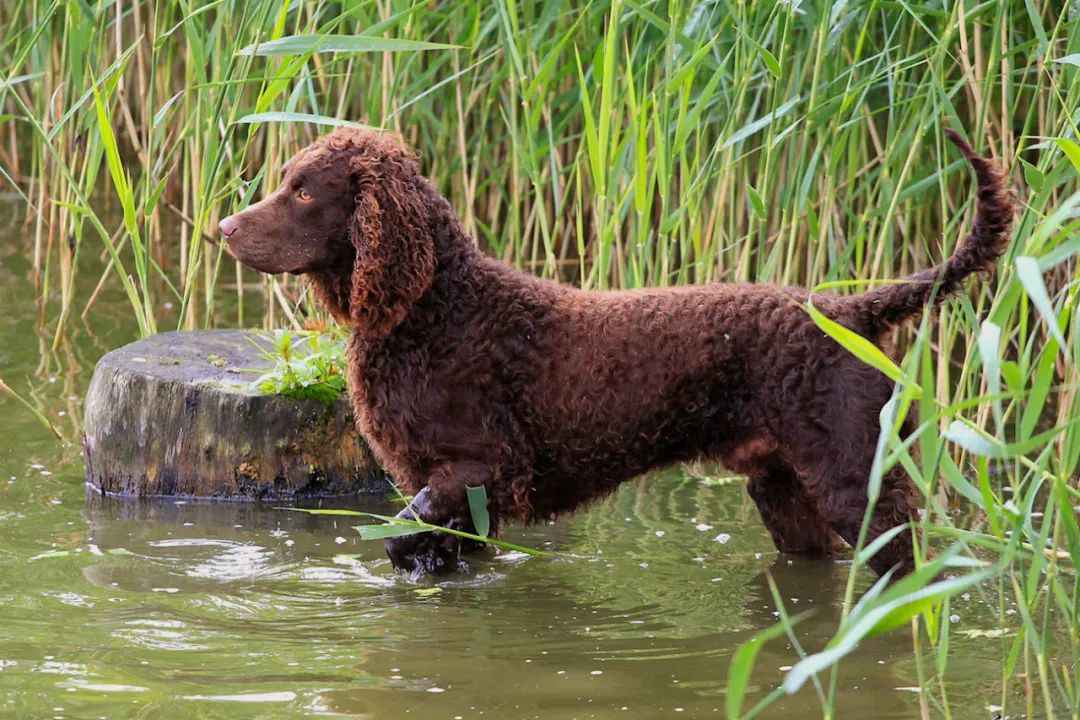
Standing 43-45.5 cm tall and weighing 16-23 kg, the Field Spaniel features a silky, straight-to-wavy coat in black, liver, or roan, with optional white chest markings25. Its long, pendulous ears, almond-shaped dark brown eyes, and strong muzzle convey both elegance and strength24. Known for their gentle and sensitive nature, these dogs are deeply loyal to families but reserved with strangers, requiring early socialization to thrive in varied environments56. As descendants of hunting dogs, they demand over 40 minutes of daily exercise, excel in swimming and tracking, yet adapt seamlessly to quiet family life57.


Health & Care
With a lifespan of 10-12 years, the breed faces risks like hip dysplasia (18.7% prevalence), retinal dysplasia (8.75%), and hypothyroidism (6.8%)29. Regular eye exams and joint health monitoring are critical. Weekly brushing prevents coat tangles, while ear cleaning reduces infection risks69. Due to proneness to separation anxiety, prolonged isolation should be avoided9.


Training & Socialization
Highly intelligent, Field Spaniels respond best to positive reinforcement training, though they require gentle, consistent guidance78. Early exposure to children and other pets mitigates shyness and fosters adaptability68. They shine in agility and obedience tasks, making them suitable for hunting, search-and-rescue, and companionship78.


Today, the Field Spaniel’s balanced temperament and versatility make it a cherished family pet and working dog. Its storied history—marked by decline and revival—reflects humanity’s complex relationship with canine breeds, while the breed itself continues to embody loyalty and resilience.
Latest Stories
Feline News2 minute readThe Oriental Longhair, a breed celebrated for its elegance and intelligence, traces its roots to mid-20th-century breeding programs aimed at expanding the color and pattern diversity of Siamese cats . Developed through crosses with breeds like Russian Blues and British Shorthairs, these cats gained recognition in the 1970s and were officially acknowledged by The International Cat Association (TICA) in 1979 and the Cat Fanciers' Association (CFA) in 1995 .
Feline News2 minute readThe Korat cat, originating from Thailand’s Nakhon Ratchasima province (formerly Korat), is a breed deeply rooted in history and cultural significance. Revered for centuries as a symbol of good luck and prosperity, these silver-blue felines have enchanted the world with their striking appearance and affectionate nature.
Feline News2 minute readA heartwarming tale of survival and companionship has thrust the Munchkin cat into the global spotlight, showcasing the breed’s unique charm and indomitable spirit. Mochi, an 8-month-old Munchkin rescued from a life-threatening illness, has become an international symbol of hope, embodying the resilience and playful nature that define these short-legged felines.
Travel News2 minute readPerched atop an 82-meter volcanic plug in Le Puy-en-Velay, France, the Chapelle Saint-Michel d’Aiguilhe stands as a testament to faith and engineering prowess. Built in 962 AD, this architectural marvel balances precariously on a basaltic rock formation, blending Romanesque austerity with Moorish-inspired ornamentation to create one of Europe’s most dramatic religious landmarks.
Feline News2 minute readRagamuffin cats, affectionately known as "muffins," have captured the hearts of cat lovers worldwide with their plush coats, docile personalities, and striking appearance. Originating in the United States in the 1990s, this breed emerged from a group of breeders seeking to expand the genetic diversity of Ragdoll cats. By crossing Ragdolls with Persians, Himalayans, and other long-haired breeds, they created a larger, more robust feline with a broader range of coat colors and patterns
Canine News2 minute readOriginating in the early 20th century, the American White Shepherd traces its lineage to the German Shepherd. Due to a recessive white coat gene, these dogs were long considered "flawed" in Germany and systematically culled from breeding programs12. However, North American breeders recognized their unique appeal and selectively developed them into a distinct breed, officially acknowledged by the United Kennel Club (UKC) in 199917
Canine News1 minute readAs the world's first operational vertical/short takeoff and landing (V/STOL) fighter jet, the British-developed Harrier, nicknamed the "Jump Jet," has left an indelible mark on aviation history through its groundbreaking design and combat prowess.