Mysterious Declines: American Burying Beetles in the East and European Yellow - Bordered Hornets


Insect Information
Mysterious Declines: American Burying Beetles in the East and European Yellow - Bordered Hornets

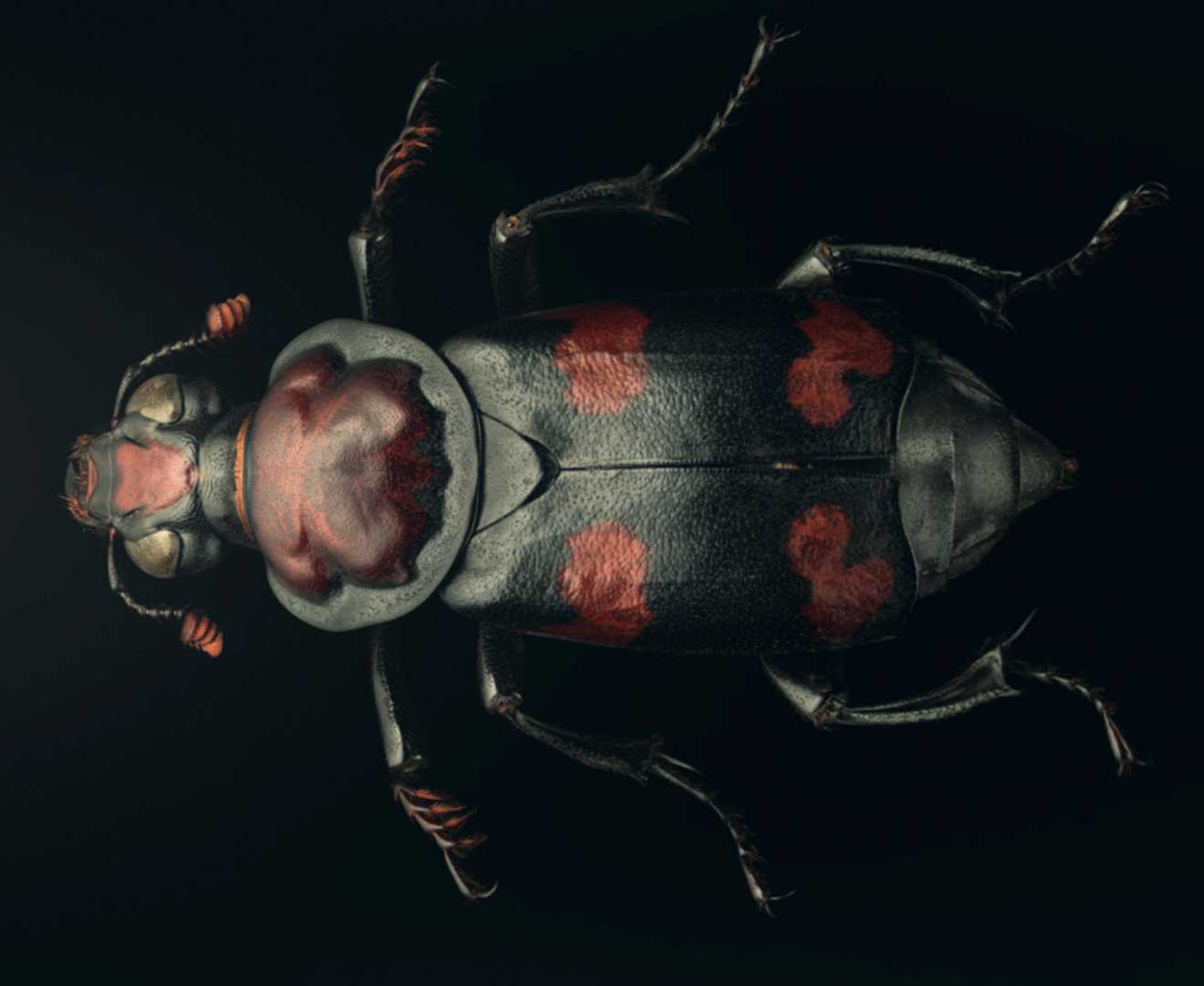
In the vast expanse of North America's eastern regions, the American burying beetle, a large and highly recognizable carrion beetle, was once a common sight. With its distinct black body adorned by orange - red patches on the elytra and pronotum, it played a crucial ecological role as nature's decomposer. These beetles, which can reach lengths of 25 - 45 mm, were known for their unique behavior of burying small animal carcasses, such as those of birds or rodents, to use as a food source for their offspring.

However, the 20th century witnessed a baffling decline in their numbers. Once found across 35 states in the US and parts of southern Canada, by the 1920s, the American burying beetle had all but disappeared from most of its former range. Today, it is only present in a handful of states and the Canadian province of Ontario. Scientists have hypothesized several factors contributing to this decline. The extinction of the passenger pigeon, which provided an ideal - sized food source for the beetles, likely had a significant impact. Additionally, the widespread use of insecticides, an increase in mammalian scavengers like raccoons, skunks, and opossums, and light pollution, which disrupts their nocturnal circadian rhythm, may have all played a part in reducing their population.


Similarly, in the Old World, the yellow - bordered hornet (Vespa crabro), Europe's largest hornet species, has seen a marked decline in its native European habitats. The reasons for this decline remain unclear. With the queen hornets reaching lengths of 2.5 - 3.5 cm, these insects are easily distinguishable. They build large, papery nests and are generally non - aggressive unless their nests are threatened. In Europe, they are an important part of the ecosystem, preying on other insects and playing a role in controlling pest populations.


Yet, when introduced to North America, the situation for the yellow - bordered hornet is quite different. The populations there seem to be faring better. This could potentially be due to a lack of natural predators or competitors in their new environment, or perhaps the availability of different food sources. The contrast between the decline in Europe and the relative stability in North America for the yellow - bordered hornet adds to the complexity of understanding insect population dynamics and the various factors that can influence them.
Latest Stories
Feline News2 minute readThe Oriental Longhair, a breed celebrated for its elegance and intelligence, traces its roots to mid-20th-century breeding programs aimed at expanding the color and pattern diversity of Siamese cats . Developed through crosses with breeds like Russian Blues and British Shorthairs, these cats gained recognition in the 1970s and were officially acknowledged by The International Cat Association (TICA) in 1979 and the Cat Fanciers' Association (CFA) in 1995 .
Feline News2 minute readThe Korat cat, originating from Thailand’s Nakhon Ratchasima province (formerly Korat), is a breed deeply rooted in history and cultural significance. Revered for centuries as a symbol of good luck and prosperity, these silver-blue felines have enchanted the world with their striking appearance and affectionate nature.
Feline News2 minute readA heartwarming tale of survival and companionship has thrust the Munchkin cat into the global spotlight, showcasing the breed’s unique charm and indomitable spirit. Mochi, an 8-month-old Munchkin rescued from a life-threatening illness, has become an international symbol of hope, embodying the resilience and playful nature that define these short-legged felines.
Travel News2 minute readPerched atop an 82-meter volcanic plug in Le Puy-en-Velay, France, the Chapelle Saint-Michel d’Aiguilhe stands as a testament to faith and engineering prowess. Built in 962 AD, this architectural marvel balances precariously on a basaltic rock formation, blending Romanesque austerity with Moorish-inspired ornamentation to create one of Europe’s most dramatic religious landmarks.
Feline News2 minute readRagamuffin cats, affectionately known as "muffins," have captured the hearts of cat lovers worldwide with their plush coats, docile personalities, and striking appearance. Originating in the United States in the 1990s, this breed emerged from a group of breeders seeking to expand the genetic diversity of Ragdoll cats. By crossing Ragdolls with Persians, Himalayans, and other long-haired breeds, they created a larger, more robust feline with a broader range of coat colors and patterns
Canine News2 minute readOriginating in the early 20th century, the American White Shepherd traces its lineage to the German Shepherd. Due to a recessive white coat gene, these dogs were long considered "flawed" in Germany and systematically culled from breeding programs12. However, North American breeders recognized their unique appeal and selectively developed them into a distinct breed, officially acknowledged by the United Kennel Club (UKC) in 199917
Canine News1 minute readAs the world's first operational vertical/short takeoff and landing (V/STOL) fighter jet, the British-developed Harrier, nicknamed the "Jump Jet," has left an indelible mark on aviation history through its groundbreaking design and combat prowess.