Norwegian Buhund: The Loyal Guardian of Nordic Millennium Farms


Canine News
Norwegian Buhund: The Loyal Guardian of Nordic Millennium Farms

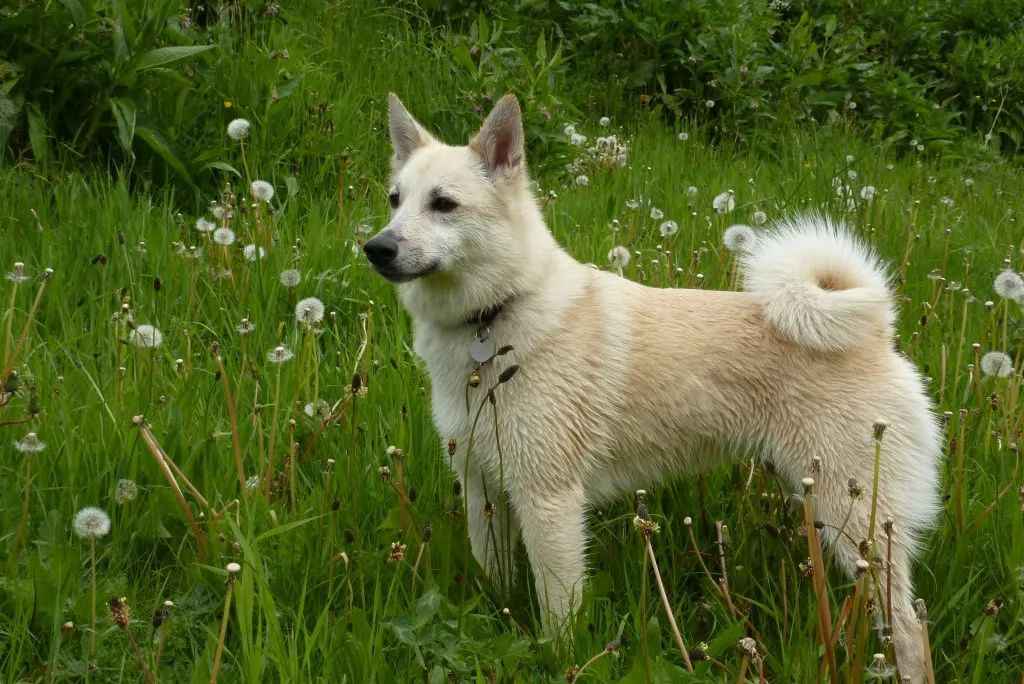
The Norwegian Buhund, an ancient breed tracing back to the Viking era, continues to safeguard Nordic lands with its tenacity and intelligence. Archaeological findings reveal that its ancestors voyaged with Viking pirates and were buried alongside their owners in Viking tombs dating to 900 AD. The term "Buhund" in Norwegian translates to "farm dog," aptly summarizing its historical role as a versatile working dog—herding livestock, guarding farms, and even fending off predators like bears and wolves


Perfect Fusion of Ancient Genes and Modern Vitality

As a medium-sized breed, the Norwegian Buhund exhibits classic Nordic Spitz characteristics: a wedge-shaped head, erect pointed ears, and a dense double coat primarily in wheat or black, with minimal white markings on the chest and feet. Its muscular build and tightly curled tail not only adapt to frigid climates but also enable agile herding. Adult dogs weigh 24–49 pounds (11–22 kg), stand 16–19 inches (41–48 cm) tall, and have a lifespan of 12–15 years.

A Loyal and Intelligent Family Companion

Known for the confident and alert demeanor, Buhunds possess an innate guarding instinct, using barking to alert owners to unusual activity. Unlike aggressive breeds, they are friendly toward family and other animals, often humorously attempting to "herd" children or pets. As descendants of working dogs, they require over 90 minutes of daily high-intensity exercise, such as hiking, swimming, or agility training. Their high intelligence facilitates training, though positive reinforcement is key to avoid distraction from repetitive commands.

From Viking Ships to Diverse Roles in Modern Society

Historically indispensable to farmers, Norwegian Buhunds now excel in roles like police dogs and service animals. A 2008 ruling by Norway’s Supreme Court granted police dogs civil servant status, treating attacks on them as equivalent to assaulting a police officer—highlighting the breed’s social value. Today, they also serve in search-and-rescue, therapy work, and international dog shows like those hosted by the AKC.

Health and Care Essentials

While generally robust, Buhunds require monitoring for genetic issues like hip dysplasia and hereditary ataxia. Regular brushing reduces shedding during seasonal molts, and weekly grooming—paired with ear cleaning and nail trimming—maintains their health. A balanced diet and ample exercise prevent obesity; experts recommend 1–2 cups of professional dog food daily, with limited treats.

From Viking ships to modern city streets, the Norwegian Buhund embodies the timeless spirit of the "farm guardian" through unwavering loyalty and vitality. Whether as a working partner or family pet, this ancient breed continues to script a millennium-spanning legend.
 
 
Latest Stories
Travel News2 minute readNestled in the French Pre-Alps, the Plateau du Vercors stands as a testament to nature’s raw power and humanity’s indomitable spirit. Rising abruptly from the valleys of Isère, this limestone plateau—dominated by peaks like Grand Veymont (2,346 meters)—features sheer cliffs and labyrinthine gorges that earned it the nickname "the Natural Great Wall". Its dramatic landscapes, shaped over millennia by erosion, have not only sculpted a geological marvel but also forged a theater of historical significance.
Cultural News1 minute readSpain’s tomato-throwing "La Tomatina" is wildly popular, but for those who prefer hurling something tangier, head to Italy in February. At the Ivrea Carnival, thousands of ripe oranges are pelted in a juicy battle during the festival’s highlight.
Cultural News1 minute readIn Wuppertal, Germany, there’s a pedestrian bridge that looks like it’s built from giant Lego bricks. Though it’s actually a concrete structure, artists have painted it to mimic the iconic toy blocks, creating a playful optical illusion.
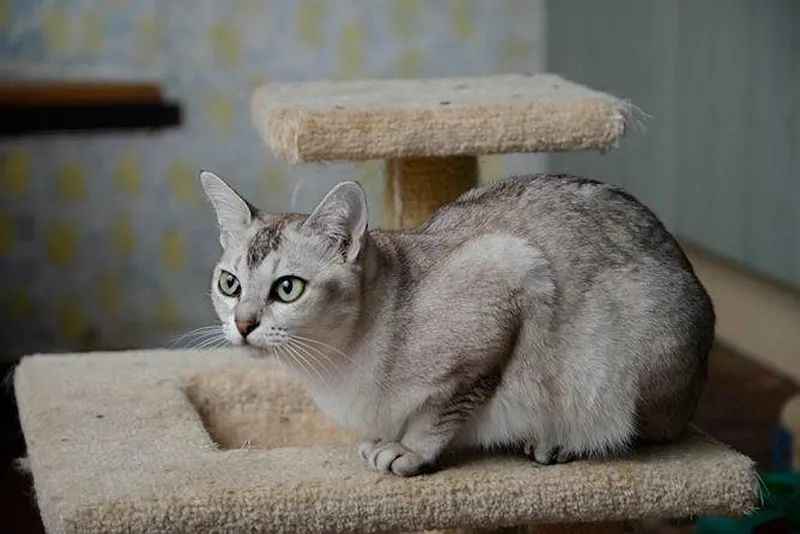
Feline News2 minute readThe European Burmese cat, a breed born from careful crossbreeding in mid-20th century Europe, has captivated cat enthusiasts with its elegant physique and affectionate nature. Originating from the American Burmese stock imported to the UK, European breeders sought to diversify the gene pool by introducing Siamese and British Shorthair bloodlines, resulting in a distinct feline with refined features. Recognized by major associations like the CFA since 2002, this breed stands out for its sleek, muscular build and striking golden or amber almond-shaped eyes, which contrast sharply with the rounde
Feline News2 minute readIn recent years, the Scottish Fold cat has become an internet sensation, celebrated for its distinctive folded ears and owl-like appearance. However, behind the adorable facade lies a dark reality rooted in genetic abnormality and ethical debate. This breed, born from a spontaneous mutation in a Scottish barn cat named Susie in 1961, has sparked global controversy over its health implications and breeding practices.
Feline News1 minute readOriginating from a spontaneous genetic mutation in 1950, the Cornish Rex emerged in Cornwall, England, when a cream-colored kitten named Kallibunker was born with a dense, wavy coat resembling a lamb’s fleece1. Recognizing its uniqueness, owner Nina Ennismore collaborated with geneticists to establish the breed. Due to the recessive nature of the mutation, breeding two Cornish Rex cats guarantees curly-coated offspring13.
Health News1 minute readOn June 30, FBI Deputy Director Dan Bongino announced the dismantling of the largest healthcare fraud case in U.S. history, with revised to $14.6 billion. The investigation covered all 50 federal districts, indicting 324 individuals—including 96 medical practitioners—and seizing $245 million in assets.