Peterbald: The Graceful and Intelligent Russian Hairless Feline


Feline News
Peterbald: The Graceful and Intelligent Russian Hairless Feline

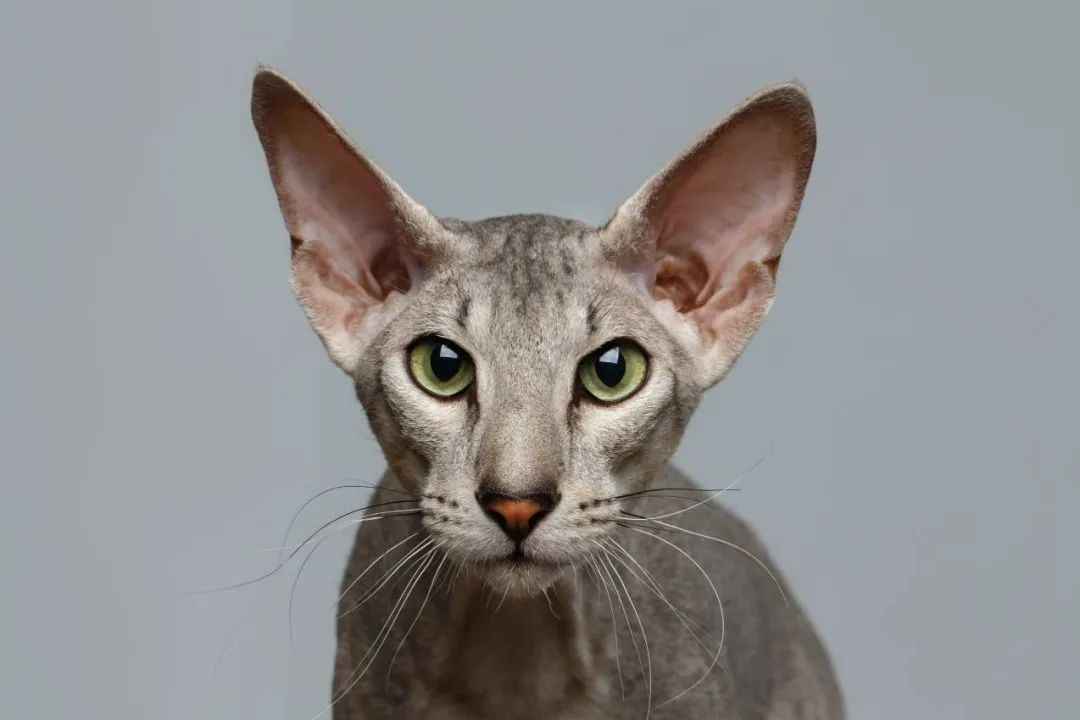
Originating from St. Petersburg, Russia, the Peterbald is a distinctive cat breed developed in the 1990s by breeder Olga Mironova through crossing Oriental Shorthairs with Donskoy cats. Recognized by The International Cat Association (TICA) in 1997, this breed stands out for its hairless or short, velvety coat, slender physique, and expressive almond-shaped eyes. Its skin features fine wrinkles, complemented by large, pointed ears, giving it an otherworldly yet charming appearance.

As highly social companions, Peterbalds are often described as "permanent kittens" due to their playful and affectionate nature. They excel at understanding commands, mastering tasks like opening doors or retrieving objects, and communicate through a diverse range of vocalizations—a trait scientists note as one of the most complex sound systems among felines. These cats crave constant human interaction, often waiting by the door for their owners, making them ideal for households seeking a devoted companion.
 

Source: Images from the Internet, if there is any infringement, please contact the removal of


Care Essentials


  1. Temperature Control: Lacking fur, Peterbalds require a stable environment between 25-30°C. Heated bedding or clothing is essential in winter, as temperatures below 10°C pose life-threatening risks.
  2. Skin Maintenance: Weekly baths with hypoallergenic shampoo prevent oil buildup and skin irritations. Hairless individuals need pet-safe sunscreen to protect against UV damage.
  3. Nutrition: A high-protein diet is critical, avoiding liver (risk of vitamin A toxicity) and raw fish (destroys vitamin B1).
  4. Health Monitoring: Prone to skin infections and respiratory issues, semi-annual veterinary checkups are recommended. Lifespan averages 12-15 years.


Distinctions from Sphynx Cats
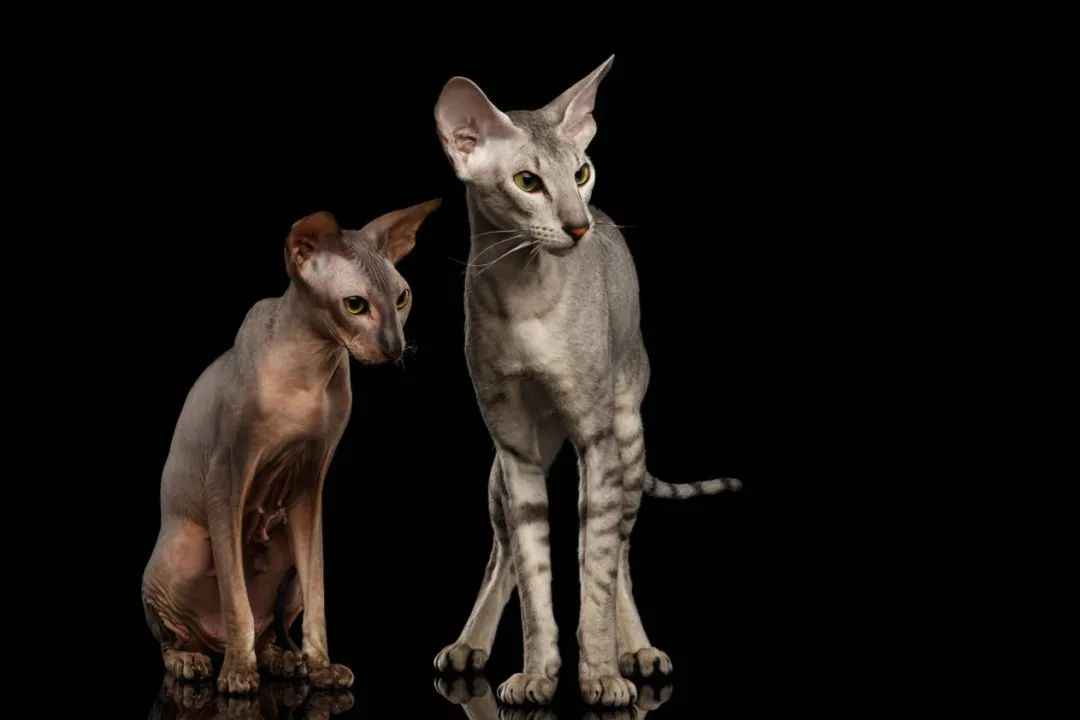
While both are hairless, Peterbalds differ genetically and physically: their hairlessness stems from a dominant gene, resulting in a lean, "ballerina-like" build with lower-set ears. Sphynx cats, with recessive genes, have rounder bodies and broader faces. Peterbalds feel leathery to the touch, contrasting with Sphynx’s soft, suede-like texture.


Today, Peterbalds grace international cat shows and social media platforms. Influencers like "Luna" captivate audiences with her striking blue eyes, while "Siri Fluff" stars in commercials, showcasing the breed’s blend of intelligence and charisma. As a breed that bridges scientific intrigue and emotional companionship, the Peterbald continues to redefine modern pet culture with its unique blend of beauty and brains.

Latest Stories
Feline News2 minute readThe Himalayan cat, a captivating fusion of Persian and Siamese genetics, has enchanted cat enthusiasts worldwide with its striking blue eyes and luxurious coat. Bred since the 1930s, this breed gained official recognition in 1957 when breeders Ben and Ann Borrett debuted their specimens at a cat show, setting standards adopted by organizations like the CFA . Nicknamed "Himmies," these cats balance elegance with affectionate charm, though their popularity demands careful attention to health and grooming.
Feline News1 minute readReportedly, the Dwelf cat, an emerging and distinctive feline breed, is gaining attention from cat enthusiasts worldwide due to its highly recognizable appearance and gentle temperament. This unique breed is a result of careful crossbreeding between the Sphynx, Devon Rex, and American Curl, combining the typical characteristics of these three breeds.
Feline News1 minute readThe European Shorthair, a beloved feline breed with deep roots in Europe, has charmed cat enthusiasts for centuries. Renowned for its robust build, short dense coat, and friendly demeanor, this breed stands out as a versatile and adaptable companion.
Feline News1 minute readAsia, a cradle of diverse feline heritage, has given the world some of the most beloved cat breeds, each boasting unique traits shaped by centuries of regional culture and environment. These breeds, celebrated for their distinct appearances and personalities, continue to captivate cat enthusiasts worldwide.
Health News1 minute readA mysterious and highly lethal disease is sweeping through the Democratic Republic of the Congo (DRC), with patients succumbing within 48 hours of symptom onset, prompting urgent global health alerts. The World Health Organization (WHO) has declared the outbreak a "major public health threat," as cases continue to surge across remote regions of Equateur Province. As of late February 2025, the crisis has escalated to 1,096 confirmed cases and 60 deaths, with a mortality rate of approximately 5.5% .
Feline News2 minute readThe Oriental Shorthair, a breed celebrated for its striking elegance and dynamic personality, traces its origins to mid-20th century breeding programs in the UK and the US2. Developed as a close relative of the Siamese, these cats emerged from intentional crossbreeding with British Shorthairs and Abyssinians to create a feline with the Siamese’s sleek physique but expanded coat color possibilities28. By the 1970s, the breed gained international recognition, captivating cat lovers worldwide with its unique charm.
Feline News2 minute readThe Maine Coon, often hailed as the "gentle giant" of the cat world, is a breed that captivates with its imposing size, striking appearance, and affectionate demeanor. Originating in the U.S. state of Maine, these regal felines have a rich history intertwined with myths and legends, from tales of Viking settlers bringing Norwegian Forest Cats to New England to claims of descent from Marie Antoinette’s cherished pets 37. While genetic studies indicate their roots lie in Western European domestic cats brought by Puritan settlers in the 17th–18th centuries, their enigmatic past only adds to their