Pixiebob Longhair: The Majestic Fusion of Wild Allure and Gentle Temperament


Feline News
Pixiebob Longhair: The Majestic Fusion of Wild Allure and Gentle Temperament

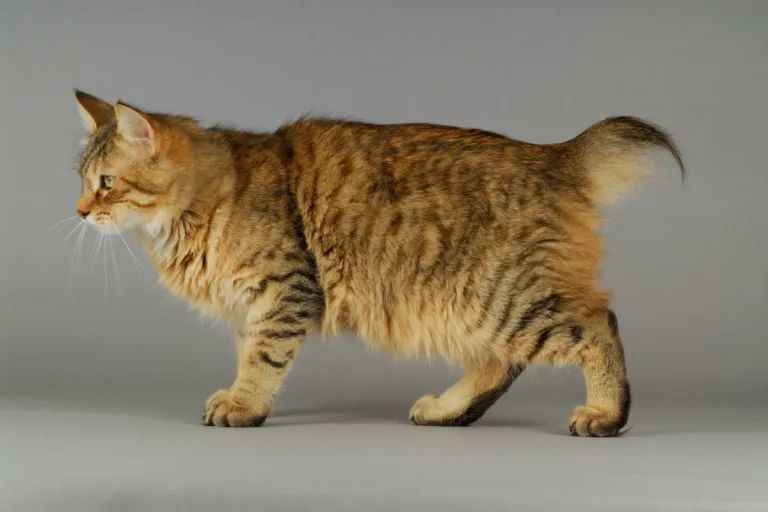
Originating from the northwestern United States, the Pixiebob Longhair has captivated cat enthusiasts worldwide with its striking resemblance to the wild bobcat and its loyal, affectionate nature. As the long-haired variant of the Pixiebob breed, this "native new breed"—recognized by The International Cat Association (TICA)—boasts a robust physique, luxurious silky coat, and a uniquely bobbed tail, earning accolades in international cat shows.

The Pixiebob Longhair’s origin is steeped in legend. While DNA tests have not confirmed direct ancestry with wild bobcats, breeders meticulously blended traits from breeds like Maine Coon and Jungle Cat to craft its wild appearance . Classified by TICA as a "native new breed," it emphasizes genetic similarity to American bobcats without involving wild felines in breeding programs .


Physical Characteristics
Adult Pixiebob Longhairs are muscular and substantial, with males weighing 12–17 lbs and females 8–12 lbs. Their rangy bodies and long, heavy legs give them a bobcat-like "rolling gait" . Key features include:


  • Double Coat: The longhair variant sports a 2-inch silky coat in shades of brown with spotted or striped patterns, often silvery in winter .
  • Bobbed Tail & Polydactylism: Tails range from 2 inches to the hock, while some cats have full-length tails. As the only breed accepting polydactyls, they may have up to seven toes on front paws .
  • Distinctive Facial Features: Lynx-tipped ears, "mutton chop" sideburns, and a heavy brow enhance their wild aesthetic .


Temperament & Care
Known as "dogs in cat suits," Pixiebob Longhairs are loyal and sociable, thriving in family environments with children and other pets. They can be trained to walk on leashes, embracing outdoor adventures . Grooming requires 2–3 weekly brushings for longhairs to prevent matting, while shorthairs shed heavily due to their denser coats . Obesity prevention through balanced diets and interactive toys is crucial .


Breeding & Availability
Predominantly bred in the U.S., Pixiebob Longhairs remain rare globally. TICA-registered catteries like ColoradoPixies and Forest Hunter maintain strict standards. For example, ColoradoPixies’ stud Thunder traveled to New Zealand to enhance international breeding programs, producing award-winning kittens . Prices range from $1,500–$3,000, with waitlists often spanning months .


From the Pacific Northwest’s forests to households worldwide, the Pixiebob Longhair embodies the perfect harmony of wild elegance and domestic charm. With TICA’s recognition and dedicated breeders, this once-niche breed is emerging as a sought-after companion, celebrated for its striking appearance and unwavering loyalty.
Latest Stories
Travel News2 minute readNestled in the French Pre-Alps, the Plateau du Vercors stands as a testament to nature’s raw power and humanity’s indomitable spirit. Rising abruptly from the valleys of Isère, this limestone plateau—dominated by peaks like Grand Veymont (2,346 meters)—features sheer cliffs and labyrinthine gorges that earned it the nickname "the Natural Great Wall". Its dramatic landscapes, shaped over millennia by erosion, have not only sculpted a geological marvel but also forged a theater of historical significance.
Cultural News1 minute readSpain’s tomato-throwing "La Tomatina" is wildly popular, but for those who prefer hurling something tangier, head to Italy in February. At the Ivrea Carnival, thousands of ripe oranges are pelted in a juicy battle during the festival’s highlight.
Cultural News1 minute readIn Wuppertal, Germany, there’s a pedestrian bridge that looks like it’s built from giant Lego bricks. Though it’s actually a concrete structure, artists have painted it to mimic the iconic toy blocks, creating a playful optical illusion.
Feline News2 minute readThe European Burmese cat, a breed born from careful crossbreeding in mid-20th century Europe, has captivated cat enthusiasts with its elegant physique and affectionate nature. Originating from the American Burmese stock imported to the UK, European breeders sought to diversify the gene pool by introducing Siamese and British Shorthair bloodlines, resulting in a distinct feline with refined features. Recognized by major associations like the CFA since 2002, this breed stands out for its sleek, muscular build and striking golden or amber almond-shaped eyes, which contrast sharply with the rounde
Feline News2 minute readIn recent years, the Scottish Fold cat has become an internet sensation, celebrated for its distinctive folded ears and owl-like appearance. However, behind the adorable facade lies a dark reality rooted in genetic abnormality and ethical debate. This breed, born from a spontaneous mutation in a Scottish barn cat named Susie in 1961, has sparked global controversy over its health implications and breeding practices.
Feline News1 minute readOriginating from a spontaneous genetic mutation in 1950, the Cornish Rex emerged in Cornwall, England, when a cream-colored kitten named Kallibunker was born with a dense, wavy coat resembling a lamb’s fleece1. Recognizing its uniqueness, owner Nina Ennismore collaborated with geneticists to establish the breed. Due to the recessive nature of the mutation, breeding two Cornish Rex cats guarantees curly-coated offspring13.
Health News1 minute readOn June 30, FBI Deputy Director Dan Bongino announced the dismantling of the largest healthcare fraud case in U.S. history, with revised to $14.6 billion. The investigation covered all 50 federal districts, indicting 324 individuals—including 96 medical practitioners—and seizing $245 million in assets.