Rare Snowshoe Cat Breed: Origins, Characteristics, and Why They’re Coveted


Feline News
Rare Snowshoe Cat Breed: Origins, Characteristics, and Why They’re Coveted

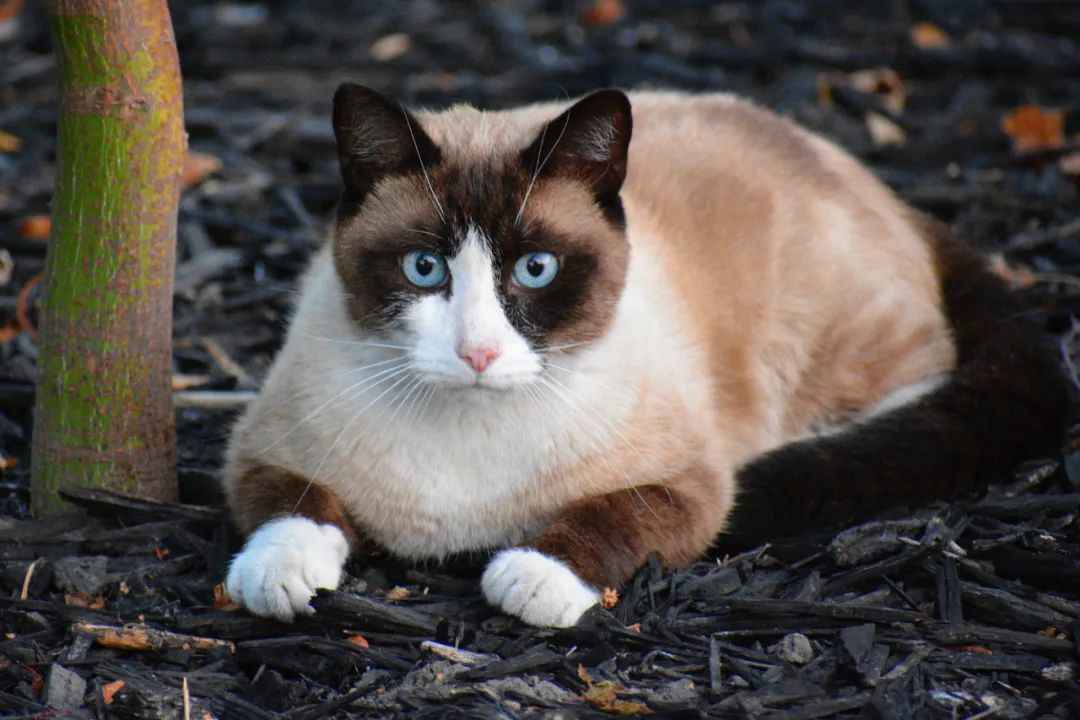
The Snowshoe cat, a striking feline with distinctive white "boots" and piercing blue eyes, has captivated cat lovers since its creation in the 1960s. Developed by breeder Dorothy Hinds-Daugherty in Philadelphia, this breed emerged from a chance discovery: three Siamese kittens with unusual white paws. Hinds-Daugherty crossed these kittens with bicolor American Shorthairs to stabilize the unique markings, naming the breed "Snowshoe" for its snowy-white feet .

Origins and Evolution

Initially met with skepticism, the Snowshoe faced challenges in gaining recognition. Hinds-Daugherty abandoned the program in the 1970s, but breeder Vikki Olander revived it, securing "experimental breed" status from the Cat Fanciers Federation (CFF) and American Cat Association (ACA) in 1974 . By 1983, the breed earned CFF championship status, followed by recognition from The International Cat Association (TICA) in 1993. In the UK, dedicated breeders like Mollie Southall and Maureen Shackell fought to preserve the lineage, achieving full GCCF recognition in 2013 .

Distinctive Features

Snowshoes blend Siamese elegance with American Shorthair robustness. Their short, dense coat features dark "points" (ears, face, legs, tail) contrasting with white paws and a white "V" between the eyes. The breed’s defining trait is its symmetrical white markings, which resemble snowshoes—a result of recessive color-point genes and co-dominant piebald patterns . Blue eyes are a breed standard, ranging from sky blue to deep azure .

Personality and Temperament

Known for their dog-like loyalty, Snowshoes form strong bonds with their human companions. They thrive on interaction, following owners around the house and even greeting them at the door . Intelligent and playful, they enjoy fetch games and climbing, often seeking high perches to observe their surroundings. While sociable with children and other pets, they may become vocal if left alone, inheriting the Siamese’s chatty nature .

Health Considerations

While generally healthy, Snowshoes face hereditary risks. Hypertrophic cardiomyopathy (HCM), a thickening of the heart muscle, is a leading concern, potentially causing heart failure . Polycystic kidney disease (PKD), an inherited condition causing kidney cysts, affects about 5% of the breed . Progressive retinal atrophy (PRA), leading to gradual vision loss, is another genetic risk . Regular veterinary checkups, including echocardiograms and renal ultrasounds, are crucial for early detection .

Rarity and Modern Status

Despite their charm, Snowshoes remain rare due to breeding complexities. The precise white markings are difficult to reproduce consistently, requiring meticulous genetic planning . Breeders worldwide continue to advocate for broader recognition, particularly with the Cat Fanciers’ Association (CFA). Today, Snowshoes are cherished for their unique appearance and affectionate personalities, making them a sought-after choice for families and cat enthusiasts alike .


For those lucky enough to welcome a Snowshoe into their home, the reward is a loyal, vibrant companion that truly stands out in both looks and spirit.
Latest Stories
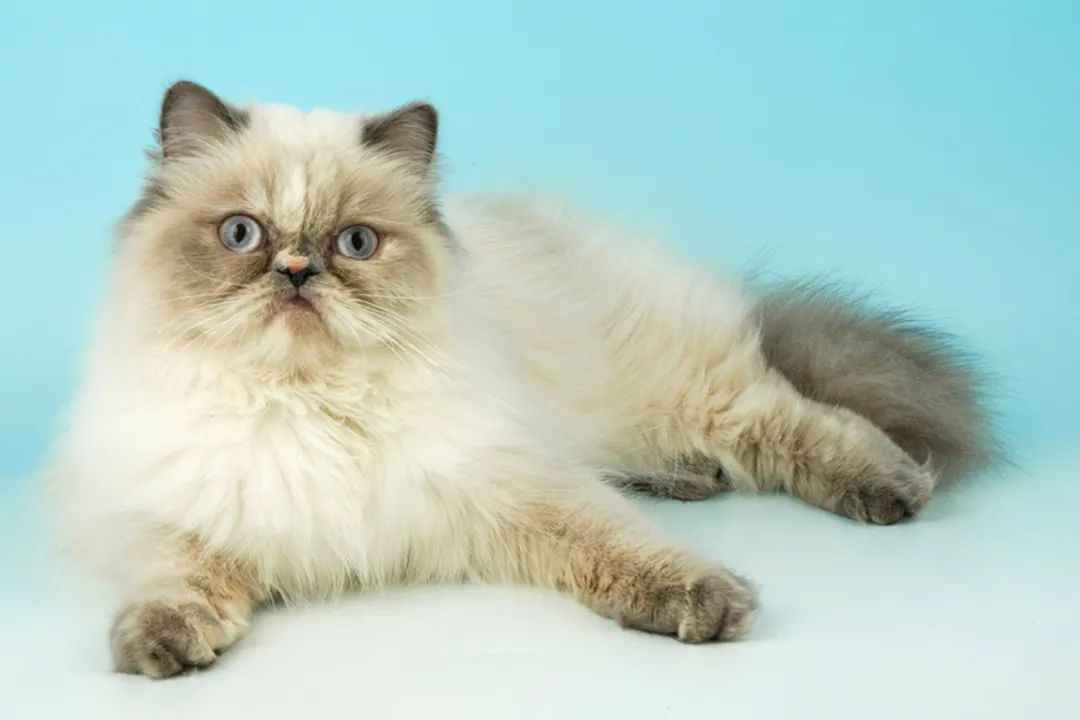
Feline News2 minute readThe Himalayan cat, a captivating fusion of Persian and Siamese genetics, has enchanted cat enthusiasts worldwide with its striking blue eyes and luxurious coat. Bred since the 1930s, this breed gained official recognition in 1957 when breeders Ben and Ann Borrett debuted their specimens at a cat show, setting standards adopted by organizations like the CFA . Nicknamed "Himmies," these cats balance elegance with affectionate charm, though their popularity demands careful attention to health and grooming.
Feline News1 minute readReportedly, the Dwelf cat, an emerging and distinctive feline breed, is gaining attention from cat enthusiasts worldwide due to its highly recognizable appearance and gentle temperament. This unique breed is a result of careful crossbreeding between the Sphynx, Devon Rex, and American Curl, combining the typical characteristics of these three breeds.
Feline News1 minute readThe European Shorthair, a beloved feline breed with deep roots in Europe, has charmed cat enthusiasts for centuries. Renowned for its robust build, short dense coat, and friendly demeanor, this breed stands out as a versatile and adaptable companion.
Feline News1 minute readAsia, a cradle of diverse feline heritage, has given the world some of the most beloved cat breeds, each boasting unique traits shaped by centuries of regional culture and environment. These breeds, celebrated for their distinct appearances and personalities, continue to captivate cat enthusiasts worldwide.
Health News1 minute readA mysterious and highly lethal disease is sweeping through the Democratic Republic of the Congo (DRC), with patients succumbing within 48 hours of symptom onset, prompting urgent global health alerts. The World Health Organization (WHO) has declared the outbreak a "major public health threat," as cases continue to surge across remote regions of Equateur Province. As of late February 2025, the crisis has escalated to 1,096 confirmed cases and 60 deaths, with a mortality rate of approximately 5.5% .
Feline News2 minute readThe Oriental Shorthair, a breed celebrated for its striking elegance and dynamic personality, traces its origins to mid-20th century breeding programs in the UK and the US2. Developed as a close relative of the Siamese, these cats emerged from intentional crossbreeding with British Shorthairs and Abyssinians to create a feline with the Siamese’s sleek physique but expanded coat color possibilities28. By the 1970s, the breed gained international recognition, captivating cat lovers worldwide with its unique charm.
Feline News2 minute readThe Maine Coon, often hailed as the "gentle giant" of the cat world, is a breed that captivates with its imposing size, striking appearance, and affectionate demeanor. Originating in the U.S. state of Maine, these regal felines have a rich history intertwined with myths and legends, from tales of Viking settlers bringing Norwegian Forest Cats to New England to claims of descent from Marie Antoinette’s cherished pets 37. While genetic studies indicate their roots lie in Western European domestic cats brought by Puritan settlers in the 17th–18th centuries, their enigmatic past only adds to their