Scottish Straight: The Perfect Blend of Grace and Health


Feline News
Scottish Straight: The Perfect Blend of Grace and Health

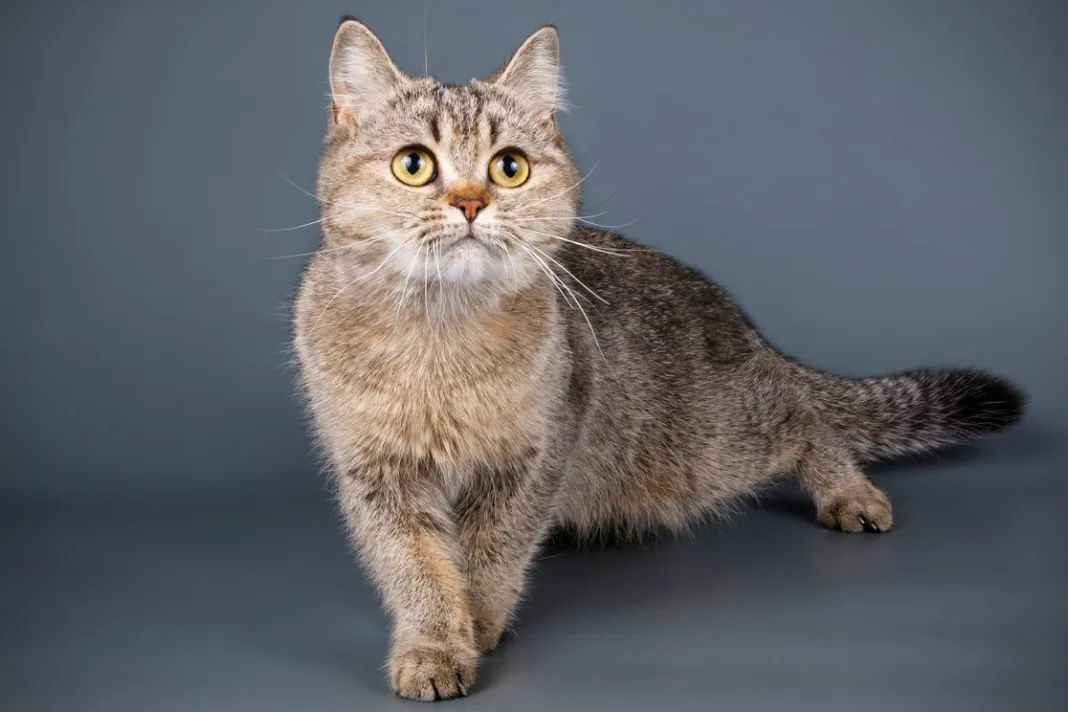
Originating in Scotland in the 1960s, the Scottish Straight is the upright-eared counterpart to the Scottish Fold. In 1961, a white barn cat named Susie with folded ears was discovered, and some of her offspring displayed straight ears due to genetic mutation, marking the beginning of this breed’s development. Today, Scottish Straights are celebrated worldwide for their round features, gentle demeanor, and robust genetics.

Physical Traits and Temperament

With a rounded head, large almond-shaped eyes, and a medium-sized, muscular body, Scottish Straights exude a perpetually kitten-like charm. Their ears stand erect with rounded tips, distinguishing them from their folded-eared relatives. Available in both longhair and shorthair varieties, they come in all traditional coat colors and patterns, catering to diverse aesthetic preferences.


Known for their loyalty and sociability, Scottish Straights thrive in households with children or other pets. They enjoy interactive play and exploring their surroundings but also value independent downtime, striking a balance between companionship and autonomy.

Health and Care Guidelines

Unlike Scottish Folds, Scottish Straights do not carry the Fd gene linked to osteochondrodysplasia, sparing them from crippling joint deformities and chronic pain. However, they may inherit other genetic predispositions, such as cardiomyopathy or polycystic kidney disease. Prospective owners should prioritize breeders who conduct DNA testing and health screenings.


These adaptable cats flourish indoors or in secure outdoor environments. Shorthair varieties require weekly brushing, while longhairs benefit from daily grooming to prevent matting. A balanced diet and regular exercise are essential to manage their slower metabolism and prevent obesity.

Ethical Considerations and Breed Preservation

While Scottish Straights are generally healthy, their folded-eared counterparts face severe health issues, leading to breeding bans in countries like the Netherlands and Austria. To mitigate genetic risks, international cat associations (e.g., TICA) mandate that Scottish Folds must only be bred with Scottish Straights or other breeds, ensuring healthier offspring. This policy has elevated the Scottish Straight’s role as a vital guardian of feline genetic diversity.

Conclusion

The Scottish Straight embodies the perfect harmony of beauty, affection, and resilience. By choosing responsible breeders and prioritizing genetic health, cat lovers can ensure this elegant breed continues to grace households with joy and companionship for generations to come.
Latest Stories
Feline News2 minute readThe Oriental Longhair, a breed celebrated for its elegance and intelligence, traces its roots to mid-20th-century breeding programs aimed at expanding the color and pattern diversity of Siamese cats . Developed through crosses with breeds like Russian Blues and British Shorthairs, these cats gained recognition in the 1970s and were officially acknowledged by The International Cat Association (TICA) in 1979 and the Cat Fanciers' Association (CFA) in 1995 .
Feline News2 minute readThe Korat cat, originating from Thailand’s Nakhon Ratchasima province (formerly Korat), is a breed deeply rooted in history and cultural significance. Revered for centuries as a symbol of good luck and prosperity, these silver-blue felines have enchanted the world with their striking appearance and affectionate nature.
Feline News2 minute readA heartwarming tale of survival and companionship has thrust the Munchkin cat into the global spotlight, showcasing the breed’s unique charm and indomitable spirit. Mochi, an 8-month-old Munchkin rescued from a life-threatening illness, has become an international symbol of hope, embodying the resilience and playful nature that define these short-legged felines.
Travel News2 minute readPerched atop an 82-meter volcanic plug in Le Puy-en-Velay, France, the Chapelle Saint-Michel d’Aiguilhe stands as a testament to faith and engineering prowess. Built in 962 AD, this architectural marvel balances precariously on a basaltic rock formation, blending Romanesque austerity with Moorish-inspired ornamentation to create one of Europe’s most dramatic religious landmarks.
Feline News2 minute readRagamuffin cats, affectionately known as "muffins," have captured the hearts of cat lovers worldwide with their plush coats, docile personalities, and striking appearance. Originating in the United States in the 1990s, this breed emerged from a group of breeders seeking to expand the genetic diversity of Ragdoll cats. By crossing Ragdolls with Persians, Himalayans, and other long-haired breeds, they created a larger, more robust feline with a broader range of coat colors and patterns
Canine News2 minute readOriginating in the early 20th century, the American White Shepherd traces its lineage to the German Shepherd. Due to a recessive white coat gene, these dogs were long considered "flawed" in Germany and systematically culled from breeding programs12. However, North American breeders recognized their unique appeal and selectively developed them into a distinct breed, officially acknowledged by the United Kennel Club (UKC) in 199917
Canine News1 minute readAs the world's first operational vertical/short takeoff and landing (V/STOL) fighter jet, the British-developed Harrier, nicknamed the "Jump Jet," has left an indelible mark on aviation history through its groundbreaking design and combat prowess.