
Singapore, a vibrant and diverse city-state, has several cultural expressions that have been recognized on UNESCO's Representative List of the Intangible Cultural Heritage of Humanity. These heritages not only showcase the rich cultural tapestry of Singapore but also highlight its unique position in the global cultural landscape.
1. Hawker culture in Singapore, community dining and culinary practices in a multicultural urban context - Inscribed on the Representative List in 2020
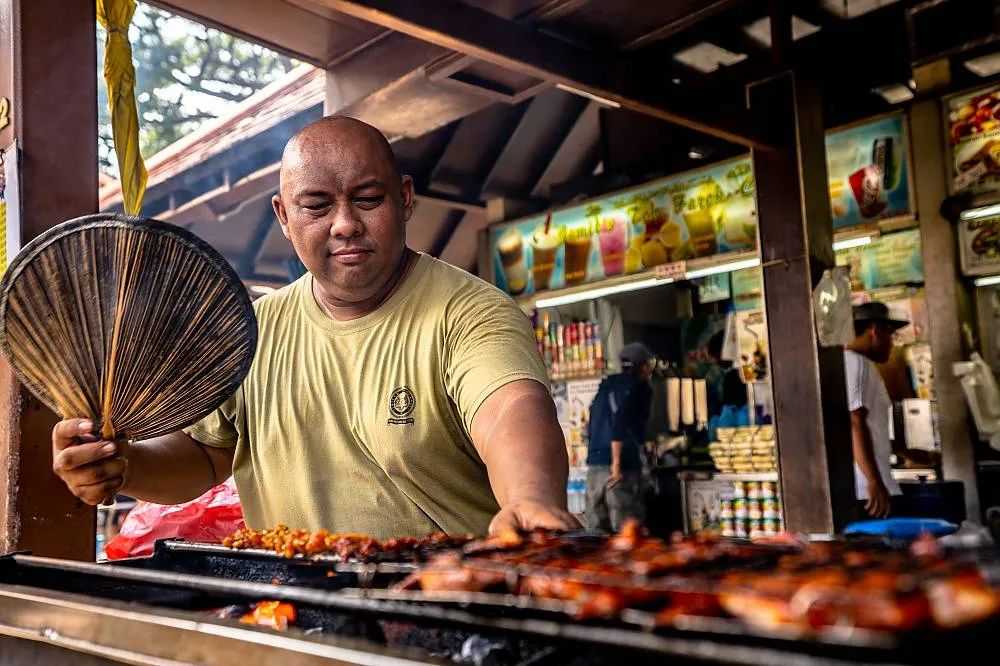
Hawker culture in Singapore is deeply rooted in the community dining scene within its multicultural urban environment. Throughout Singapore, hawkers prepare a diverse array of foods known as "hawker food" for people who come to dine and socialize. These hawker centers serve as "community dining halls" where individuals from various backgrounds gather to share the experience of having their meals together. Activities such as chess games, street performances, and performance art are interspersed among the dining experience.
Hawker centers have evolved from the street food culture and have become an iconic symbol of Singapore as a multicultural city-state, encompassing Chinese, Malay, Indian, and other cultures. Hawkers draw inspiration from the integration of these cultures, adapting the dishes to suit local tastes and the environment.
Today, the hawker centers scattered across Singapore continue to meet the needs of different communities living, entertaining, and working in the area. Some of the oldest hawkers started their businesses in the 1960s. Many of them specialize in a single dish, honing their skills over the years and then passing on their recipes, knowledge, and techniques to younger family members or apprentices.
Community organizations, non-governmental organizations, and educational institutions play a crucial role in promoting and sustaining hawker culture. They do so through training programs, various activities, and documentation efforts. As social spaces, hawker centers accommodate people from different socioeconomic backgrounds and are essential in facilitating community interaction and strengthening the social fabric.
Hawker culture in Singapore is deeply rooted in the community dining scene within its multicultural urban environment. Throughout Singapore, hawkers prepare a diverse array of foods known as "hawker food" for people who come to dine and socialize. These hawker centers serve as "community dining halls" where individuals from various backgrounds gather to share the experience of having their meals together. Activities such as chess games, street performances, and performance art are interspersed among the dining experience.
Hawker centers have evolved from the street food culture and have become an iconic symbol of Singapore as a multicultural city-state, encompassing Chinese, Malay, Indian, and other cultures. Hawkers draw inspiration from the integration of these cultures, adapting the dishes to suit local tastes and the environment.
Today, the hawker centers scattered across Singapore continue to meet the needs of different communities living, entertaining, and working in the area. Some of the oldest hawkers started their businesses in the 1960s. Many of them specialize in a single dish, honing their skills over the years and then passing on their recipes, knowledge, and techniques to younger family members or apprentices.
Community organizations, non-governmental organizations, and educational institutions play a crucial role in promoting and sustaining hawker culture. They do so through training programs, various activities, and documentation efforts. As social spaces, hawker centers accommodate people from different socioeconomic backgrounds and are essential in facilitating community interaction and strengthening the social fabric.
Source: Images from the Internet, if there is any infringement, please contact the removal of
2. Kebaya: knowledge, skills, traditions and practices (Joint submission with Brunei, Indonesia, Malaysia, and Thailand) - Inscribed on the Representative List in 2024
The kebaya represents a rich body of knowledge, skills, traditions, and practices. It is a cultural heritage that has been jointly recognized by Brunei, Indonesia, Malaysia, Singapore, and Thailand. The kebaya is a traditional garment that has evolved with the lifestyles of women in Southeast Asia. It is characterized by its intricate designs, often adorned with elaborate embroidery, and is typically worn with a sarong.
The making of a kebaya involves specific skills related to fabric selection, design, cutting, and sewing, as well as the art of embroidery. These skills have been passed down through generations, initially within families from mothers to daughters. Over time, men have also become involved in the process, and formal training is now available through schools and workshops.
The kebaya is not just a piece of clothing; it is a symbol of cultural identity and social status. It is worn on various occasions, from casual gatherings to formal events, and plays an important role in traditional performances, festivals, and ceremonies. Despite the variations in its making and wearing across different countries, the kebaya serves as a unifying cultural element that transcends ethnic, religious, and geographical boundaries, promoting cultural exchange and social cohesion among the communities in Southeast Asia.
The kebaya represents a rich body of knowledge, skills, traditions, and practices. It is a cultural heritage that has been jointly recognized by Brunei, Indonesia, Malaysia, Singapore, and Thailand. The kebaya is a traditional garment that has evolved with the lifestyles of women in Southeast Asia. It is characterized by its intricate designs, often adorned with elaborate embroidery, and is typically worn with a sarong.
The making of a kebaya involves specific skills related to fabric selection, design, cutting, and sewing, as well as the art of embroidery. These skills have been passed down through generations, initially within families from mothers to daughters. Over time, men have also become involved in the process, and formal training is now available through schools and workshops.
The kebaya is not just a piece of clothing; it is a symbol of cultural identity and social status. It is worn on various occasions, from casual gatherings to formal events, and plays an important role in traditional performances, festivals, and ceremonies. Despite the variations in its making and wearing across different countries, the kebaya serves as a unifying cultural element that transcends ethnic, religious, and geographical boundaries, promoting cultural exchange and social cohesion among the communities in Southeast Asia.

Source: Images from the Internet, if there is any infringement, please contact the removal of