Subtitle: A Provencal Gem Blends Roman Ruins with Modern Art in Southern France


Travel News
Subtitle: A Provencal Gem Blends Roman Ruins with Modern Art in Southern France

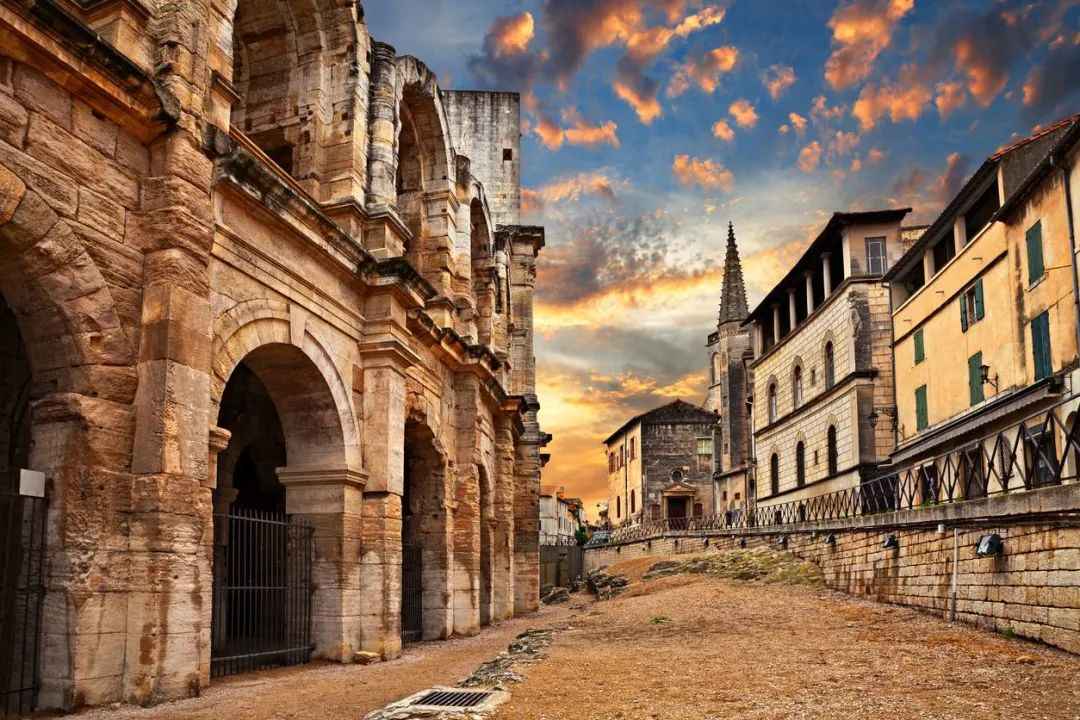
Nestled in the sun-drenched Provence region of France, Arles is a 2,100-year-old city where Roman heritage and Van Gogh’s artistic legacy converge. Designated a UNESCO World Heritage Site, it boasts impeccably preserved Roman amphitheaters, theaters, and the Basilica of Saint-Trophime, alongside over 300 masterpieces created by Vincent van Gogh during his transformative stay.

Nestled in the sun-drenched Provence region of France, Arles is a 2,100-year-old city where Roman heritage and Van Gogh’s artistic legacy converge. Designated a UNESCO World Heritage Site, it boasts impeccably preserved Roman amphitheaters, theaters, and the Basilica of Saint-Trophime, alongside over 300 masterpieces created by Vincent van Gogh during his transformative stay.

A Living Relic of Ancient Rome

Founded as a Roman military colony in 123 BCE, Arles thrived under imperial rule, leaving behind iconic structures like the 1st-century AD Amphitheatre (built in 90 AD) and the Theater of Ancient Arles, which once seated 8,000 spectators. These arenas still host bullfights, concerts, and festivals today, blending history with modern entertainment. In 1981, seven Roman and Romanesque monuments, including the Amphitheatre and Basilica, were inscribed on the UNESCO list, cementing Arles’ status as "Little Rome of Gaul".

Van Gogh’s Creative Elysium

From February 1888 to May 1889, Arles became Van Gogh’s artistic crucible. His Yellow House residence, the Café de Nuit (now Café Van Gogh), and the starry skies over the Rhône River inspired masterpieces like The Starry Night Over the Rhône and The Night Café. Despite local residents’ petitions to confine the troubled artist, his vivid depictions of Arles’ light and landscapes turned the city into a global pilgrimage site for art lovers.

A Cultural Crossroads of Past and Present

Today, Arles bridges antiquity with innovation. The 56th Rencontres d’Arles Photography Festival (July 2025), themed "Disobedient Images," showcases 160 artists’ works across 26 venues, exploring photography’s role in social change. The Luma Foundation, housed in a Frank Gehry-designed complex, adds a contemporary flair with immersive art installations, while the Roman Amphitheatre continues to host events that draw millions annually.

The Timeless Soul of Provence

Wandering Arles’ cobblestone streets, visitors encounter a tapestry of history: the Amphitheatre’s imposing arches, the Basilica’s intricate Romanesque carvings, and Van Gogh’s painted wheat fields. As the artist himself noted, "The color yellow comes from Arles, from its brilliant golden sunlight." From Roman legions to modern creatives, Arles remains a testament to Mediterranean civilization’s enduring vitality.
Latest Stories
Feline News2 minute readThe Oriental Longhair, a breed celebrated for its elegance and intelligence, traces its roots to mid-20th-century breeding programs aimed at expanding the color and pattern diversity of Siamese cats . Developed through crosses with breeds like Russian Blues and British Shorthairs, these cats gained recognition in the 1970s and were officially acknowledged by The International Cat Association (TICA) in 1979 and the Cat Fanciers' Association (CFA) in 1995 .
Feline News2 minute readThe Korat cat, originating from Thailand’s Nakhon Ratchasima province (formerly Korat), is a breed deeply rooted in history and cultural significance. Revered for centuries as a symbol of good luck and prosperity, these silver-blue felines have enchanted the world with their striking appearance and affectionate nature.
Feline News2 minute readA heartwarming tale of survival and companionship has thrust the Munchkin cat into the global spotlight, showcasing the breed’s unique charm and indomitable spirit. Mochi, an 8-month-old Munchkin rescued from a life-threatening illness, has become an international symbol of hope, embodying the resilience and playful nature that define these short-legged felines.
Travel News2 minute readPerched atop an 82-meter volcanic plug in Le Puy-en-Velay, France, the Chapelle Saint-Michel d’Aiguilhe stands as a testament to faith and engineering prowess. Built in 962 AD, this architectural marvel balances precariously on a basaltic rock formation, blending Romanesque austerity with Moorish-inspired ornamentation to create one of Europe’s most dramatic religious landmarks.
Feline News2 minute readRagamuffin cats, affectionately known as "muffins," have captured the hearts of cat lovers worldwide with their plush coats, docile personalities, and striking appearance. Originating in the United States in the 1990s, this breed emerged from a group of breeders seeking to expand the genetic diversity of Ragdoll cats. By crossing Ragdolls with Persians, Himalayans, and other long-haired breeds, they created a larger, more robust feline with a broader range of coat colors and patterns
Canine News2 minute readOriginating in the early 20th century, the American White Shepherd traces its lineage to the German Shepherd. Due to a recessive white coat gene, these dogs were long considered "flawed" in Germany and systematically culled from breeding programs12. However, North American breeders recognized their unique appeal and selectively developed them into a distinct breed, officially acknowledged by the United Kennel Club (UKC) in 199917
Canine News1 minute readAs the world's first operational vertical/short takeoff and landing (V/STOL) fighter jet, the British-developed Harrier, nicknamed the "Jump Jet," has left an indelible mark on aviation history through its groundbreaking design and combat prowess.