Thailand is a country rich in diverse and unique cultural heritages. Several of its cultural expressions have been inscribed on the UNESCO Representative List of the Intangible Cultural Heritage of Humanity in different years, showcasing the country's profound cultural depth and diversity.
Source: Images from the Internet, if there is any infringement, please contact the removal of
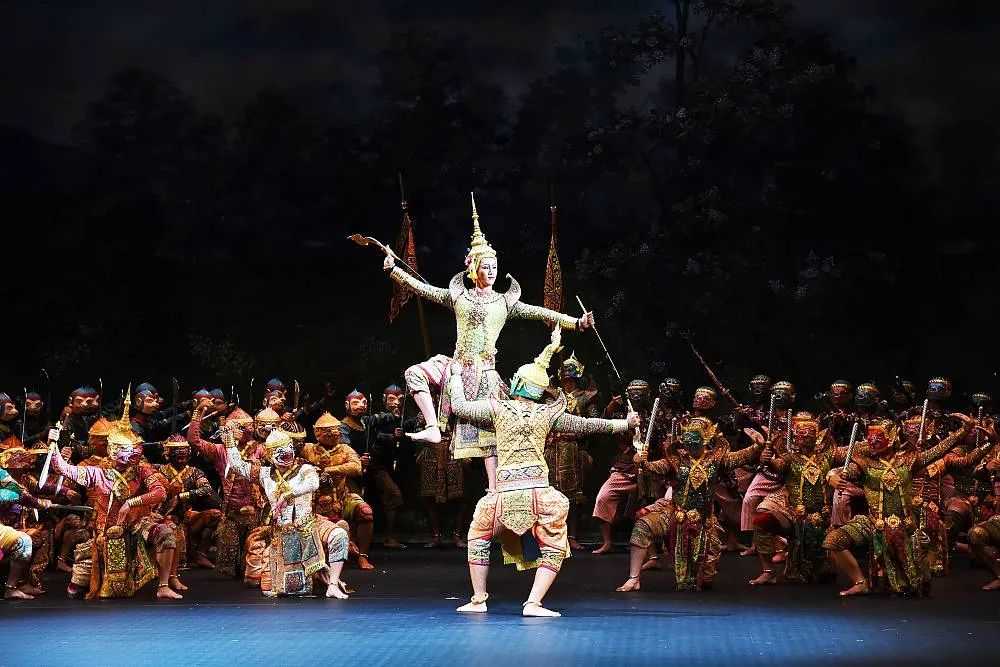
Khon in Thailand is a performing art that integrates elements of music, vocal performance, literature, dance, ritual, and handicrafts. The Khon performances, which include elegant dance movements, instrumental and vocal music performances, and magnificent costumes, depict the glory of Rama, an incarnation of Vishnu (one of the main gods in Hinduism) and a hero who brought order and justice to the world. Many plots portray Rama's life, such as his journey in the forest, his monkey army, and his battles against the army of Tosakan, the king of the giants.
On one level, Khon represents the high art that has been nurtured in the Siamese/Thai court for centuries. On another level, as a form of theatrical performance, Khon can be interpreted and appreciated by audiences from various social backgrounds. Khon has a strong educational function, reinforcing the values of respect for the elderly and those of higher status, the mutual dependence between leaders and followers, the honor of rulers, and the triumph of justice over evil.
Traditionally, Khon was performed in the courts of the royal family or nobility and in the homes of dance masters. However, nowadays, its dissemination mainly relies on educational institutions, while still largely adhering to traditional methods. The concerted efforts of society also include establishing training and performance clubs to help young people access Khon, ensuring the continuity of this art form.
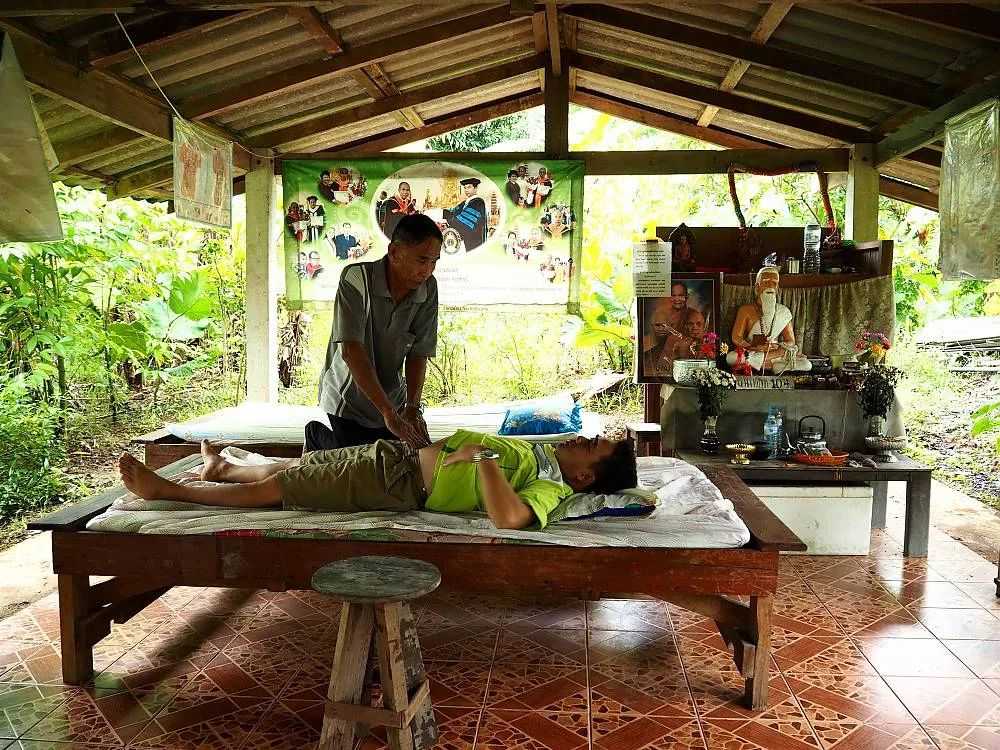
Traditional Thai massage, known as "Nuad Thai," is part of the traditional Thai art, science, and culture of healthcare. As a non-pharmacological and manual therapy, it involves a series of manipulations of the body. Practitioners help patients rebalance their physical condition, energy, and structure to treat diseases caused by blocked energy flow along the "sen," which can be understood as the crisscrossing energy pathways in the human body.
The manipulations in Thai massage aim to regulate the four elements of the body: earth, water, wind, and fire. To open the blocked channels, Thai massage therapists use their hands, elbows, knees, and feet for combined manipulations and also apply herbal hot compresses to reduce inflammation. Currently, Thai massage is divided into two main types: therapeutic massage and wellness massage.
Thai massage originated from self-care in Thailand's agricultural society in the past. There was a massage therapist in each village, and villagers would turn to them when they suffered from muscle soreness after working in the fields. Over time, these experiences have evolved into a formal body of knowledge, and Thai massage is now an income-generating profession. In 1985, a project to revitalize Thai massage was launched to rejuvenate and maximize the understanding of it. An initiative was also taken to establish a union of Thai massage practitioners, which holds annual gatherings.
Source: Images from the Internet, if there is any infringement, please contact the removal of
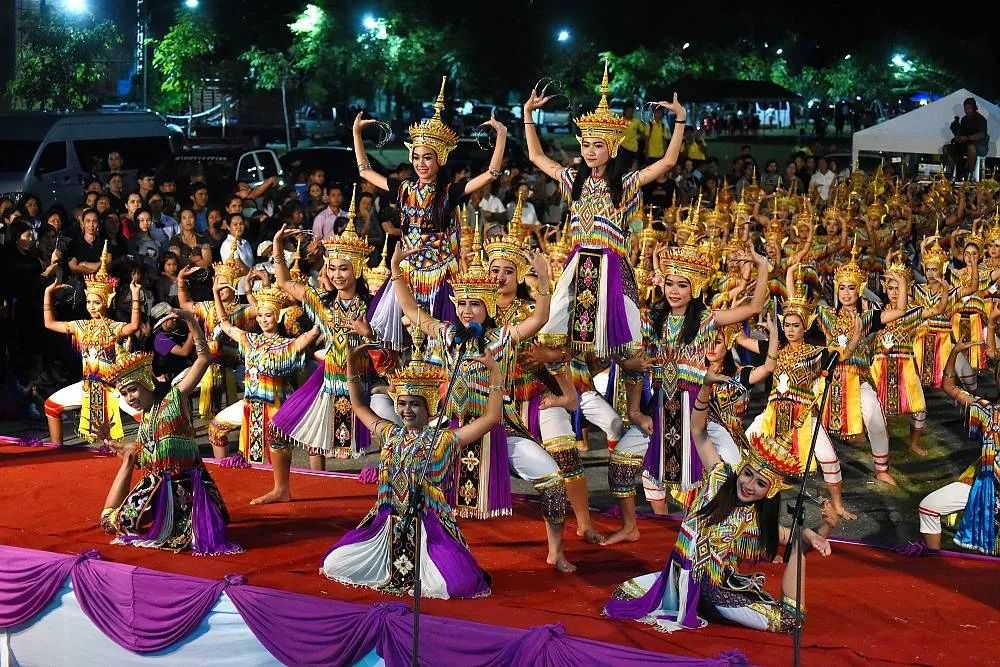
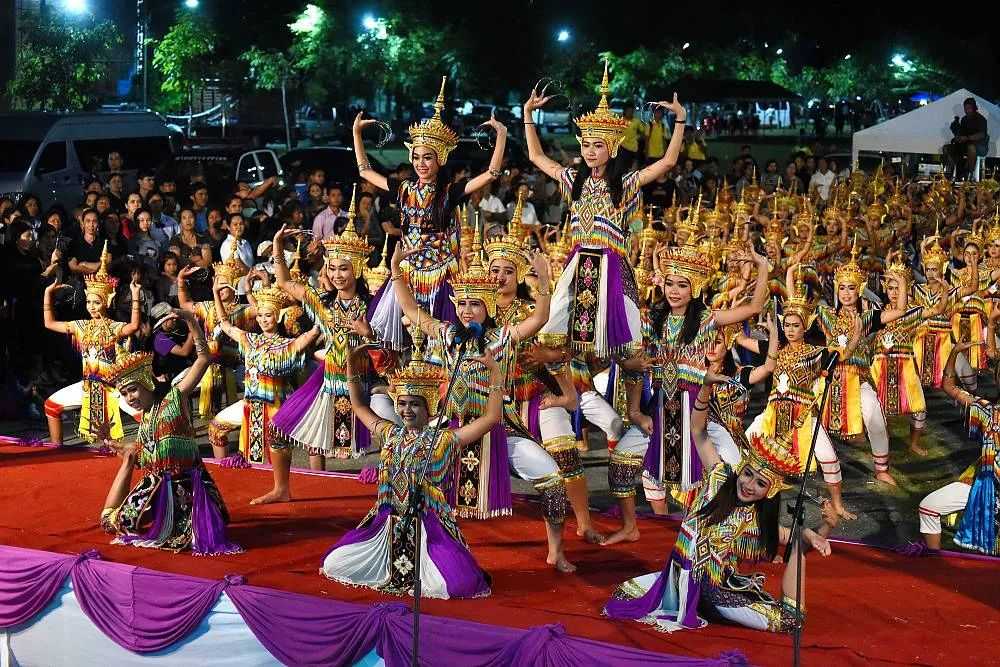
Nora is a lively, interesting, and acrobatic form of dance drama and improvisational singing in southern Thailand. The performances usually begin with a long oral prayer, followed by a performance by a leading actor whose movements of legs, arms, and fingers are powerful yet delicate. These performances are often based on stories of the previous lives of the Buddha or legendary heroes.
The orchestra plays music with a fast and cheerful rhythm, with the traditional southern oboe playing the melody and drums, gongs, cymbals, and wooden boards creating a strong beat. The main Nora performers, whether male or female, wear brightly colored costumes, crowns or headdresses, adorned with beads, and have bird-like wings attached to their waists, as well as magnificent scarves and swan-like tails, imitating the image of birds. The performers also wear long metal nails that curl out from their fingertips.
Nora is a community-based custom that holds profound cultural and social significance for the people in southern Thailand. The performances use local dialects, music, and literature to strengthen the cultural life and social connections of the local people. With a history of more than 500 years, Nora is performed in local community centers, temple fairs, and cultural events and is passed down through the training of masters in families, community organizations, and educational institutions.
Source: Images from the Internet, if there is any infringement, please contact the removal of
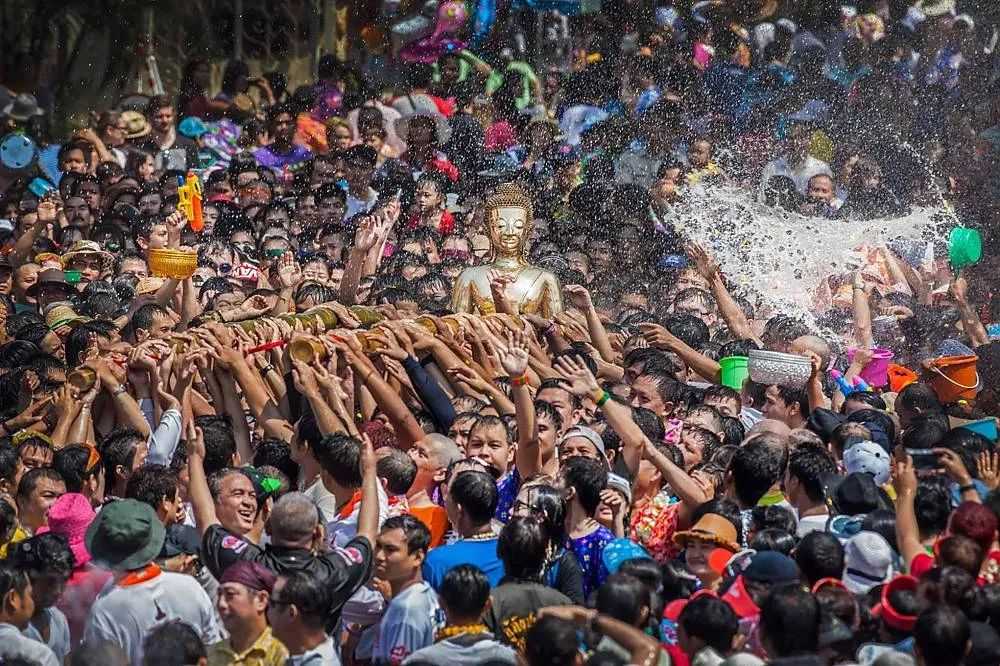
In Thailand, Songkran refers to the annual entry of the sun into Aries, the first constellation in the zodiac, which traditionally marks the beginning of the New Year. In the middle of April each year, after the rice harvest, people gather with their families to pay tribute to their elders, ancestors, and sacred Buddha statues.
During the festival, water splashing is an important activity, symbolizing cleanliness, respect, and good luck. Other activities include bathing important Buddha statues, splashing water on family members and friends, folk games, competitions, music, and feasts. The traditions are passed down through participation in the celebrations. The older generation orally transmits the traditions to the younger generation through regular social and family interactions. Educational institutions, government agencies, the media, and Thai astrologers also play important roles in preserving, promoting, and disseminating the astrological knowledge and wisdom related to Songkran.
Songkran promotes community cooperation, unity, and kindness. It is a time to wash away misfortunes symbolically, pray for prosperity in the coming year, reunite with family, and show respect to ancestors and elders. Moreover, by emphasizing the importance of the elderly and families, Songkran also helps to eliminate loneliness and social isolation.
Source: Images from the Internet, if there is any infringement, please contact the removal of
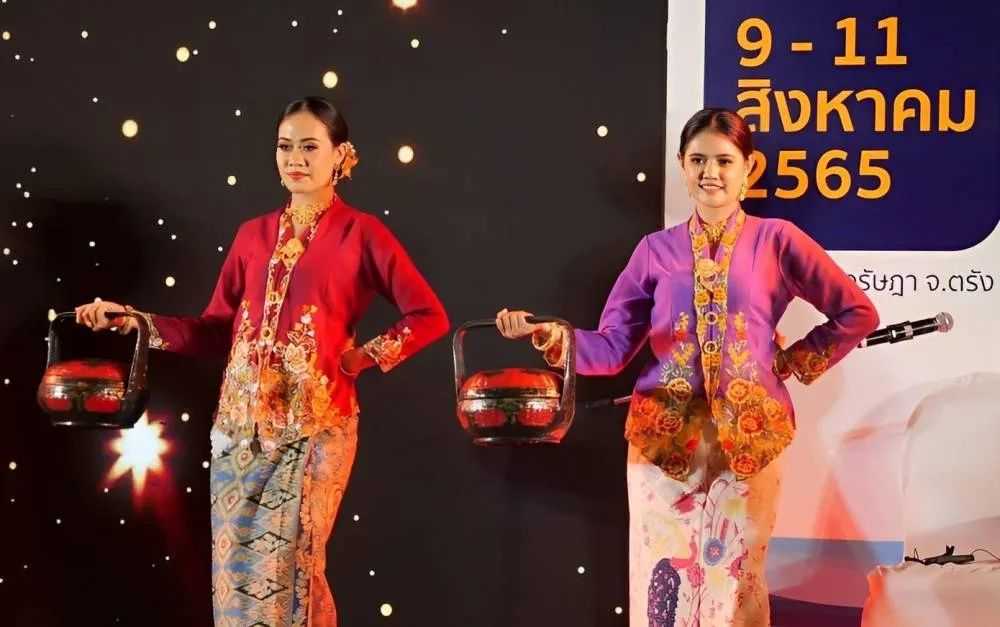
The kebaya is a front-opening blouse, usually decorated with intricate embroidery and fastened with brooches or buttons. It comes in various lengths and can be worn with a sarong. The kebaya is a way of dressing that has evolved with the lifestyle of women in Southeast Asia. It can be worn on both casual and formal occasions, social gatherings, and festivals. It is also the attire worn in performing arts, such as dance performances, dramas, and movies. In beauty pageants and award ceremonies, contemporary designs of the kebaya can also showcase the cultural identity of the wearer.
The making of a kebaya involves specific skills and knowledge related to the preparation, design, selection, and cutting of fabrics and accessories, as well as different sewing and embroidery styles. Traditionally, these skills and knowledge were passed down from mothers to daughters privately. Over time, men have also started to get involved, and formal training is provided through schools and workshops.
The kebaya is an important part of the cultural heritage and identity of various communities in Southeast Asia. Despite the differences in how it is made and worn, it is a common cultural element that transcends ethnicity, religion, and boundaries, promoting cultural exchange and social unity.
Source: Images from the Internet, if there is any infringement, please contact the removal of
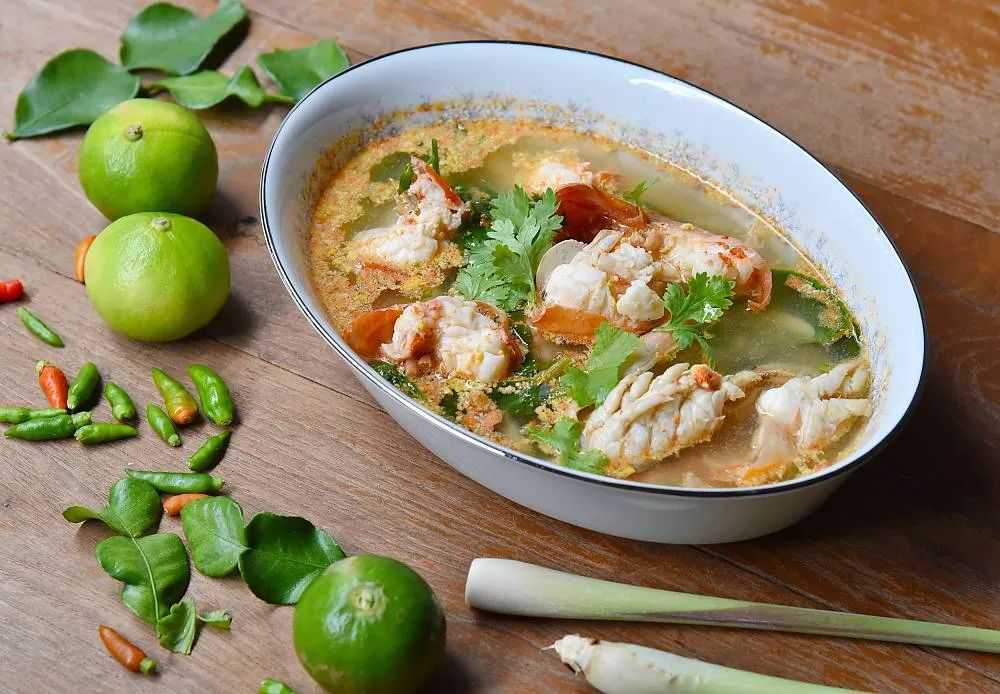
Tomyum Kung is a traditional Thai shrimp soup. The shrimp is cooked with herbs, including lemongrass, kaffir lime leaves, citronella, and scallions, and then seasoned with local condiments. It has a unique aroma and vivid color, combining multiple flavors, including sweet, sour, salty, spicy, creamy, and slightly bitter.
This dish originated in the Buddhist communities along the riverside in the central plain of Thailand, a fertile area that has been a major production region of Thai food for centuries. These communities traditionally avoided hunting large animals and preferred to eat the naturally abundant freshwater shrimp. This preference, combined with their knowledge of local herbs, led to the creation of this dish. Tomyum Kung is believed to boost energy and health, especially during the monsoon season.
The related knowledge and skills, including cooking, the selection of herbs and other ingredients, and environmental protection, are orally transmitted within families and at social and cultural gatherings. With the popularity of this dish both domestically and internationally, it is now also spread through restaurants, organizations, schools, and universities. Tomyum Kung reflects Thai Buddhist values and embodies the traditional knowledge of the local environment and resources.