The Deadliest Predator in the Sea: Australia's Box Jellyfish


Marine Biology
The Deadliest Predator in the Sea: Australia's Box Jellyfish

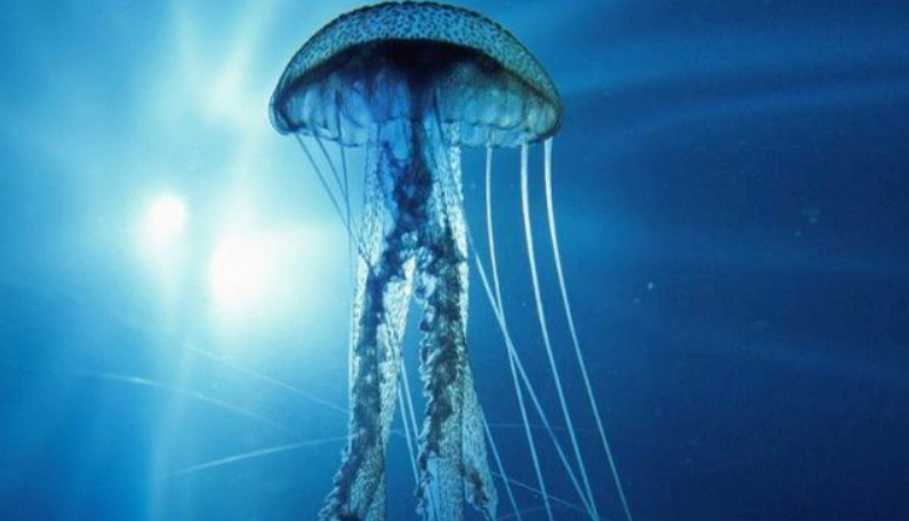
Considered the most venomous creature on Earth, box jellyfish (Chironex fleckeri) inhabit warm coastal waters worldwide, but none are more infamous than the Australian box jellyfish. With a bell-shaped body reaching up to 30 centimeters in diameter and trailing tentacles that can extend over 3 meters, this marine predator possesses a toxin so potent that a single individual’s stings can kill up to 60 adult humans. Its reign as the ocean’s silent killer is unmatched, blending transparency, speed, and lethality into a nightmare for swimmers and divers.


The Australian box jellyfish’s tentacles are lined with millions of tiny cnidocytes, specialized cells containing harpoon-like structures called nematocysts. Upon contact with human skin, these nematocysts inject a cocktail of toxins that attack the nervous system, heart, and skin cells. A single tentacle’s sting induces immediate, excruciating pain, followed by shock, respiratory failure, and cardiac arrest within minutes. Victims often succumb to drowning or cardiac collapse before reaching shore, making it one of the few creatures capable of killing a healthy adult in mere moments. Even detached tentacles can sting, emphasizing the danger posed by stranded specimens on beaches.

Despite its fearsome reputation, the box jellyfish plays a vital role in marine ecosystems, preying on small fish and crustaceans while serving as prey for sea turtles, which are immune to its venom. Human encounters are most common in northern Australian waters during the wet season, prompting beach closures and the development of protective measures like stinger suits. Researchers continue to study its venom for potential medical applications, such as pain relief and cancer treatments, highlighting the complex relationship between humanity and this lethal marvel of evolution. As climate change shifts ocean currents and expands its habitat, the Australian box jellyfish remains a stark reminder of nature’s unforgiving power—and the urgent need for respect and caution in its watery domain.
 
 
Latest Stories
Feline News2 minute readThe Oriental Longhair, a breed celebrated for its elegance and intelligence, traces its roots to mid-20th-century breeding programs aimed at expanding the color and pattern diversity of Siamese cats . Developed through crosses with breeds like Russian Blues and British Shorthairs, these cats gained recognition in the 1970s and were officially acknowledged by The International Cat Association (TICA) in 1979 and the Cat Fanciers' Association (CFA) in 1995 .
Feline News2 minute readThe Korat cat, originating from Thailand’s Nakhon Ratchasima province (formerly Korat), is a breed deeply rooted in history and cultural significance. Revered for centuries as a symbol of good luck and prosperity, these silver-blue felines have enchanted the world with their striking appearance and affectionate nature.
Feline News2 minute readA heartwarming tale of survival and companionship has thrust the Munchkin cat into the global spotlight, showcasing the breed’s unique charm and indomitable spirit. Mochi, an 8-month-old Munchkin rescued from a life-threatening illness, has become an international symbol of hope, embodying the resilience and playful nature that define these short-legged felines.
Travel News2 minute readPerched atop an 82-meter volcanic plug in Le Puy-en-Velay, France, the Chapelle Saint-Michel d’Aiguilhe stands as a testament to faith and engineering prowess. Built in 962 AD, this architectural marvel balances precariously on a basaltic rock formation, blending Romanesque austerity with Moorish-inspired ornamentation to create one of Europe’s most dramatic religious landmarks.
Feline News2 minute readRagamuffin cats, affectionately known as "muffins," have captured the hearts of cat lovers worldwide with their plush coats, docile personalities, and striking appearance. Originating in the United States in the 1990s, this breed emerged from a group of breeders seeking to expand the genetic diversity of Ragdoll cats. By crossing Ragdolls with Persians, Himalayans, and other long-haired breeds, they created a larger, more robust feline with a broader range of coat colors and patterns
Canine News2 minute readOriginating in the early 20th century, the American White Shepherd traces its lineage to the German Shepherd. Due to a recessive white coat gene, these dogs were long considered "flawed" in Germany and systematically culled from breeding programs12. However, North American breeders recognized their unique appeal and selectively developed them into a distinct breed, officially acknowledged by the United Kennel Club (UKC) in 199917
Canine News1 minute readAs the world's first operational vertical/short takeoff and landing (V/STOL) fighter jet, the British-developed Harrier, nicknamed the "Jump Jet," has left an indelible mark on aviation history through its groundbreaking design and combat prowess.