The Enigmatic Himalayan Blue Poppy: A High - Altitude Marvel


Plant Information
The Enigmatic Himalayan Blue Poppy: A High - Altitude Marvel

The Himalayan Blue Poppy, scientifically known as Meconopsis, is a captivating flower that has long fascinated botanists and nature enthusiasts alike. Native to the Himalayan region, this plant is a symbol of the harsh yet beautiful landscapes of high - altitude areas.

A Stunning Display of Color and Form

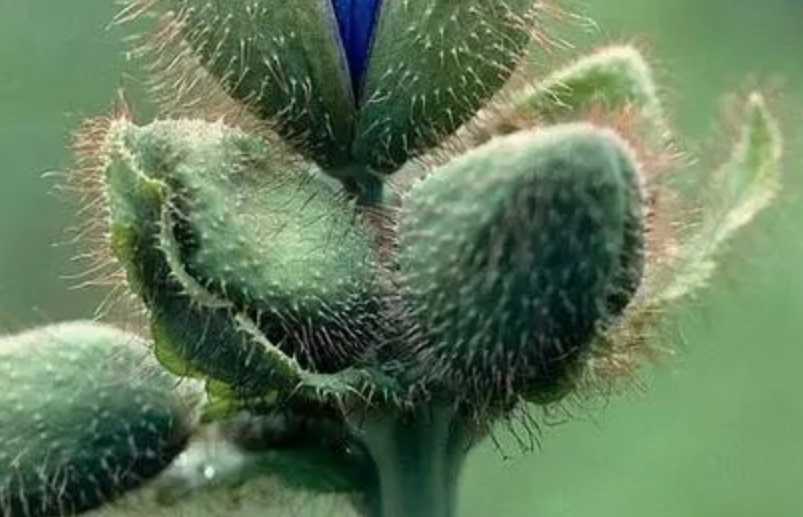
The Himalayan Blue Poppy is renowned for its vivid blue petals, which range from a deep, royal blue to a more delicate, sky - blue shade. The large, cup - shaped flowers, often with a diameter of up to 10 centimeters, feature multiple layers of petals that give them a full and elegant appearance. Standing out against the blue petals are the bright orange stamens in the center, creating a striking color contrast. The plant itself can grow up to 1.2 meters tall, with a single stem supporting one or more of these magnificent blooms. Its leaves are large, lobed, and covered in fine hairs, adding to its overall charm.

Thriving in Extreme Conditions

This remarkable flower has adapted to survive in some of the most challenging environments on Earth. It thrives in the high - altitude regions of the Himalayas, typically at elevations between 3000 and 5000 meters. Here, it endures cold temperatures, strong winds, and a short growing season. The plant's hairy leaves help to insulate it from the cold, while its deep - rooted system allows it to access water and nutrients from the thin, rocky soil. Despite these adaptations, the Himalayan Blue Poppy is not an easy plant to cultivate outside of its natural habitat. It requires specific conditions, including well - drained, acidic soil and a cool, moist climate.

Cultural and Ecological Significance

In Tibetan and Bhutanese cultures, the Himalayan Blue Poppy holds great significance. In Tibetan Buddhism, it is considered a sacred flower, symbolizing the divine wisdom of compassion. It has also been a common motif in Bhutanese artwork and architecture. Ecologically, the flower plays an important role in its native ecosystem. It provides nectar for pollinators such as bees and butterflies, and its presence helps to support the overall biodiversity of the high - altitude regions. However, like many plants in the Himalayas, the Himalayan Blue Poppy is facing threats due to climate change, habitat destruction, and over - collection. Conservation efforts are crucial to ensure the survival of this beautiful and culturally important flower for future generations to admire.
Latest Stories
Travel News1 minute readA climate specialist stated that the May just concluded ranks as the second warmest May globally since meteorological record-keeping began. Over the past month, temperatures across Europe surged sharply from below-average levels to fuel one of the continent’s most ferocious heatwaves. This year’s heatwave arrived earlier than any previously documented, shattering dozens of May temperature benchmarks, with France, the United Kingdom, Ireland and Portugal bearing the brunt of the extreme heat.
Feline News1 minute readMinuet cats, also known as Napoleon cats, are a delightful and relatively new feline breed that have been winning the hearts of cat lovers around the world with their adorable appearance and friendly personalities.
Feline News1 minute readThe Balinese cat, also known as the Bali cat or Java cat, is a charming medium - sized long - haired cat. It originated in the United States and is a long - haired mutant of the Siamese cat. It is named the Balinese cat because its movements are 酷似 those of the native Balinese dancers.
Feline News2 minute readThe Exotic Shorthair, often dubbed the "lazy man’s Persian," has solidified its status as one of the most beloved cat breeds globally, blending the elegance of Persians with the low-maintenance charm of American Shorthairs. Developed in the 1960s by American breeders aiming to create a short-haired Persian variant, this breed has since captivated cat lovers with its round face, plush coat, and laid-back demeanor 28.
Travel News2 minute readNestled along the cliffs of the French Riviera (Côte d'Azur), the Trois Corniches de Nice—three coastal roads ascending from sea level to mountain heights—offer some of Europe’s most dramatic views. Stretching eastward from Nice, the Lower Corniche (Corniche Inférieure), Middle Corniche (Moyenne Corniche), and Upper Corniche (Grande Corniche) each provide a unique perspective of the Mediterranean, making them a pilgrimage for road-trippers and photographers alike.
Travel News2 minute readThe soul of Colmar lies in its half-timbered houses, dating back to the 16th century. These whimsical structures feature exposed wooden frames in geometric patterns, their facades painted in vibrant hues like buttercup yellow and sky blue. Flower-boxed windows and playful figurines adorn the facades, while their reflections dance on the Lauch River, creating the iconic Petite Venise (Little Venice) district. Here, fishermen pilot flower-decked boats, and riverside bistros serve Alsatian specialties like choucroute garnie, evoking scenes from Hayao Miyazaki’s Howl’s Moving Castle.
Feline News2 minute readThe Oriental Longhair, a breed celebrated for its elegance and intelligence, traces its roots to mid-20th-century breeding programs aimed at expanding the color and pattern diversity of Siamese cats . Developed through crosses with breeds like Russian Blues and British Shorthairs, these cats gained recognition in the 1970s and were officially acknowledged by The International Cat Association (TICA) in 1979 and the Cat Fanciers' Association (CFA) in 1995 .