The Japanese Rhinoceros Beetle (Allomyrina dichotoma): A Horned Symbol of Strength and Nature's Engineer


Insect Information
The Japanese Rhinoceros Beetle (Allomyrina dichotoma): A Horned Symbol of Strength and Nature's Engineer

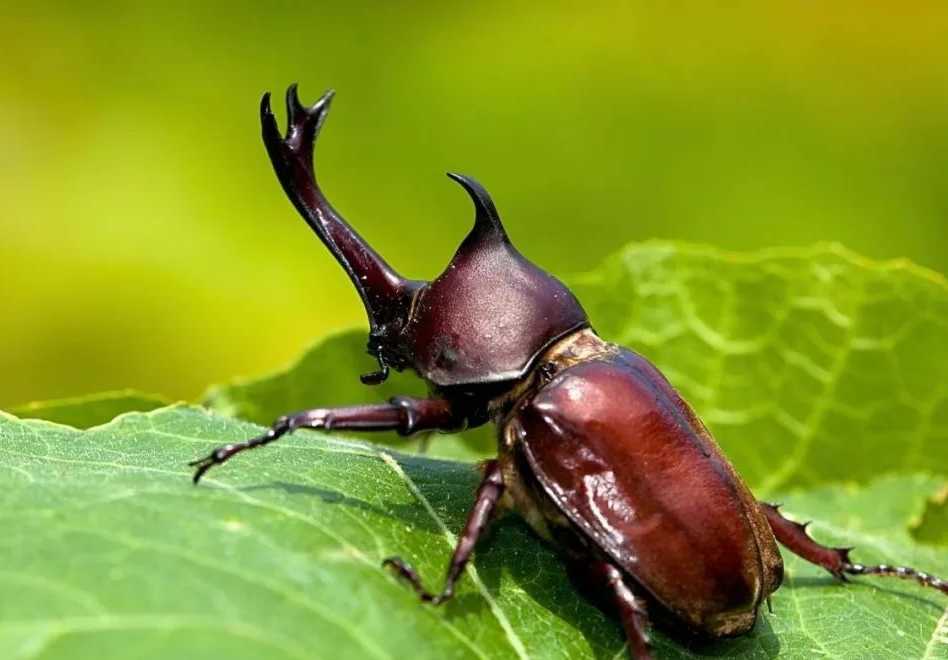
The Japanese rhinoceros beetle, scientifically known as Allomyrina dichotoma, is an iconic insect revered for its distinctive Y-shaped horn and deep cultural significance in Japan. Measuring 3–5 centimeters in length, this scarab beetle captivates with its robust build and unique morphology, while its larval stage plays a crucial role in forest ecosystems as a decomposer.


Morphology and Ecological Role
Males sport a prominent Y-shaped horn on the head, used in ritual combat over mates, while females lack this structure but possess powerful mandibles for egg-laying. The beetle’s glossy, dark exoskeleton contrasts with the larva’s creamy white, C-shaped body, which thrives in humus-rich soil and decaying wood. Larvae feed on decomposing plant matter, accelerating the breakdown of organic materials and enhancing soil nitrogen cycling—earning them the title of "soil cleaners." This ecological service supports microbial activity and forest health, underscoring their role as nature’s silent engineers.


Cultural Significance: From Samurai to Pop Culture
In Japan, the beetle has been a symbol of strength and longevity for centuries. During the Edo period, samurai helmets often featured carvings of its horn, embodying martial prowess. Today, it remains a cultural icon: as a popular pet in beetle-keeping hobbies, a motif in traditional art, and even the inspiration for Heracross in Pokémon, whose move "Super Horn" pays homage to the beetle’s combat prowess. It is also seen as a lucky charm, with its association with perseverance and vitality making it a mascot in festivals and commercial designs.


Natural History and Conservation
Native to East Asia, Allomyrina dichotoma thrives in deciduous forests, where adults feed on tree sap and fruit. Their life cycle—from humus-dwelling larva to horned adult—reflects nature’s balance between destruction and renewal. While not endangered, habitat loss and pesticide use threaten local populations, prompting conservation efforts to protect their forest habitats. For the Japanese, this beetle is more than an insect; it is a living symbol of resilience, a bridge between ancient traditions and modern ecology, and a reminder of the intricate bond between culture and the natural world.
Latest Stories
Feline News2 minute readThe Oriental Longhair, a breed celebrated for its elegance and intelligence, traces its roots to mid-20th-century breeding programs aimed at expanding the color and pattern diversity of Siamese cats . Developed through crosses with breeds like Russian Blues and British Shorthairs, these cats gained recognition in the 1970s and were officially acknowledged by The International Cat Association (TICA) in 1979 and the Cat Fanciers' Association (CFA) in 1995 .
Feline News2 minute readThe Korat cat, originating from Thailand’s Nakhon Ratchasima province (formerly Korat), is a breed deeply rooted in history and cultural significance. Revered for centuries as a symbol of good luck and prosperity, these silver-blue felines have enchanted the world with their striking appearance and affectionate nature.
Feline News2 minute readA heartwarming tale of survival and companionship has thrust the Munchkin cat into the global spotlight, showcasing the breed’s unique charm and indomitable spirit. Mochi, an 8-month-old Munchkin rescued from a life-threatening illness, has become an international symbol of hope, embodying the resilience and playful nature that define these short-legged felines.
Travel News2 minute readPerched atop an 82-meter volcanic plug in Le Puy-en-Velay, France, the Chapelle Saint-Michel d’Aiguilhe stands as a testament to faith and engineering prowess. Built in 962 AD, this architectural marvel balances precariously on a basaltic rock formation, blending Romanesque austerity with Moorish-inspired ornamentation to create one of Europe’s most dramatic religious landmarks.
Feline News2 minute readRagamuffin cats, affectionately known as "muffins," have captured the hearts of cat lovers worldwide with their plush coats, docile personalities, and striking appearance. Originating in the United States in the 1990s, this breed emerged from a group of breeders seeking to expand the genetic diversity of Ragdoll cats. By crossing Ragdolls with Persians, Himalayans, and other long-haired breeds, they created a larger, more robust feline with a broader range of coat colors and patterns
Canine News2 minute readOriginating in the early 20th century, the American White Shepherd traces its lineage to the German Shepherd. Due to a recessive white coat gene, these dogs were long considered "flawed" in Germany and systematically culled from breeding programs12. However, North American breeders recognized their unique appeal and selectively developed them into a distinct breed, officially acknowledged by the United Kennel Club (UKC) in 199917
Canine News1 minute readAs the world's first operational vertical/short takeoff and landing (V/STOL) fighter jet, the British-developed Harrier, nicknamed the "Jump Jet," has left an indelible mark on aviation history through its groundbreaking design and combat prowess.