Trachinotus baillonii: The Alluring Small-Spotted Dart of the Indo-Pacific


Marine Biology
Trachinotus baillonii: The Alluring Small-Spotted Dart of the Indo-Pacific

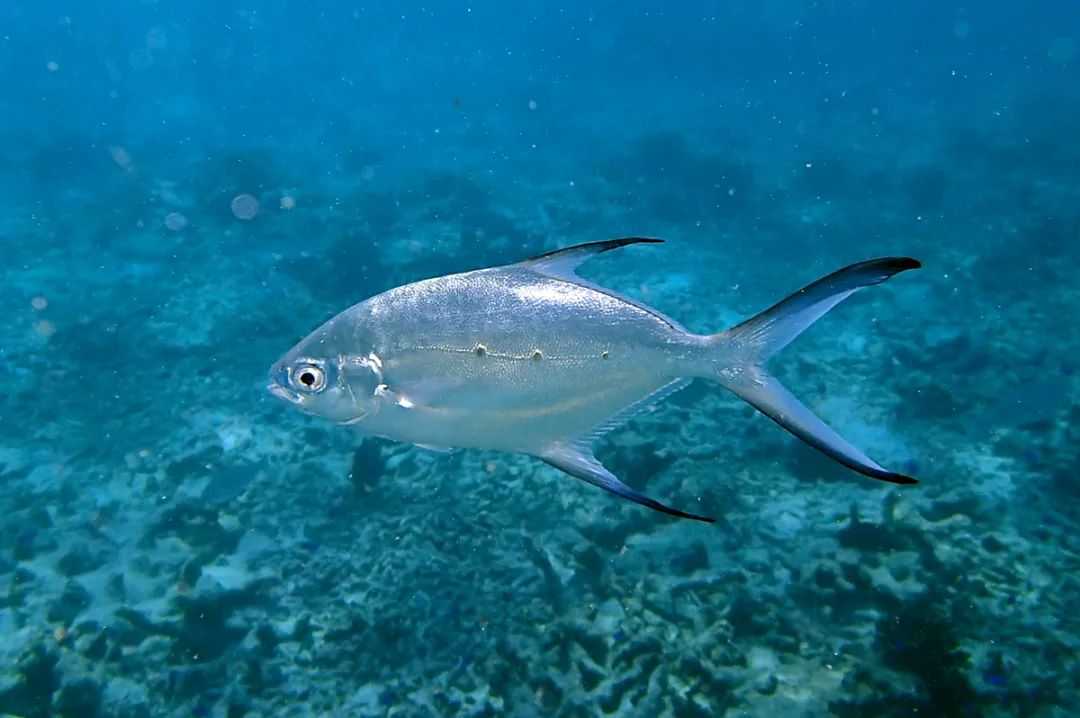
It inhabits the warm waters of the Indo-Pacific, from the Red Sea to the Line Islands and from southern Japan to Lord Howe Island, adding a touch of elegance to the diverse marine ecosystems it calls home.


This fish showcases a streamlined, oval - shaped body that can reach up to 60 centimeters in length, with a silvery - blue to greyish hue on its dorsal side that fades to a silvery - white belly. Its most distinctive feature is the presence of 1 to 6 relatively small black spots arranged in a longitudinal row along the lateral line, though these spots are absent in juveniles under 10 - 13 cm in fork length. As the fish matures, the number of spots typically increases. The fins of Trachinotus baillonii are also notable; the caudal, second dorsal, and anal fins are greyish to black, with darker lobes, while the pectoral fins are pale yellow to brownish - yellow, and the pelvic fins are pale yellow to orange - yellow.


In its natural environment, Trachinotus baillonii is often found near the surface waters of lagoons, seaward reefs, and particularly in the surge zones along sandy beaches at depths ranging from 0 to 3 meters. Adults usually move in pairs or small groups, patrolling the reef edges, while juveniles tend to form schools in more sheltered bays. Their diet mainly consists of crustaceans, small fish, and polychaete worms. Despite being a relatively common sight in its habitat, it faces potential threats from overfishing in some areas, as it is occasionally targeted by both trolling and line fishing. Conservation efforts, including monitoring fishing activities and protecting its coastal habitats, are crucial to ensure the long - term survival of this beautiful and ecologically important species.
Latest Stories
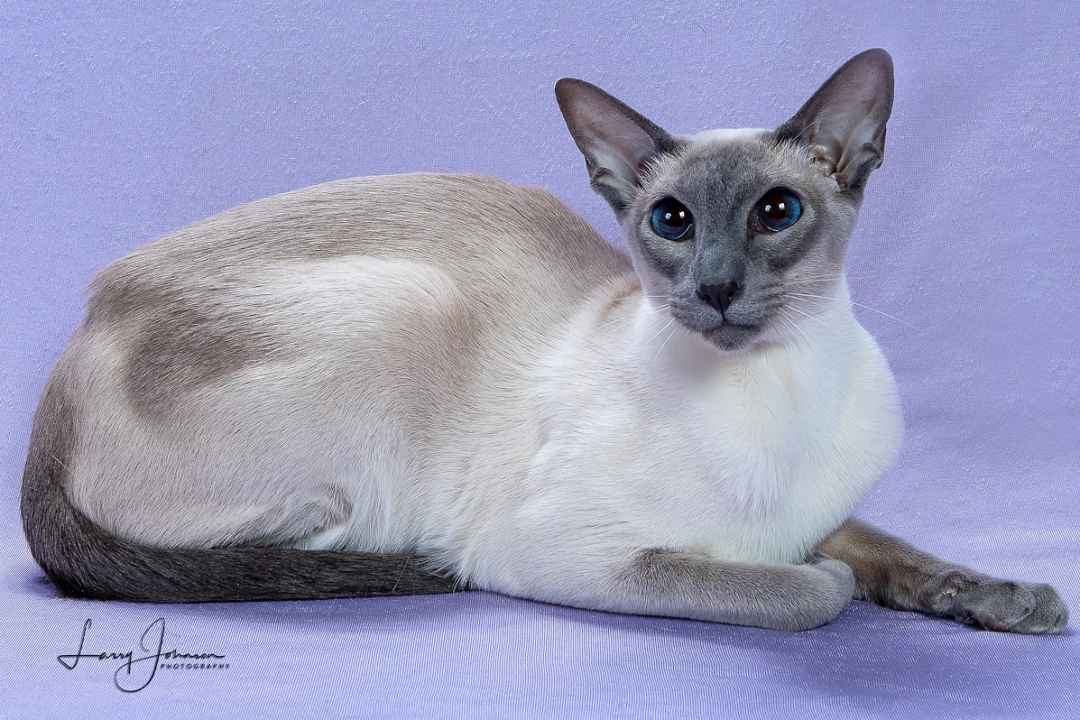
Feline News2 minute readThe Oriental Longhair, a breed celebrated for its elegance and intelligence, traces its roots to mid-20th-century breeding programs aimed at expanding the color and pattern diversity of Siamese cats . Developed through crosses with breeds like Russian Blues and British Shorthairs, these cats gained recognition in the 1970s and were officially acknowledged by The International Cat Association (TICA) in 1979 and the Cat Fanciers' Association (CFA) in 1995 .
Feline News2 minute readThe Korat cat, originating from Thailand’s Nakhon Ratchasima province (formerly Korat), is a breed deeply rooted in history and cultural significance. Revered for centuries as a symbol of good luck and prosperity, these silver-blue felines have enchanted the world with their striking appearance and affectionate nature.
Feline News2 minute readA heartwarming tale of survival and companionship has thrust the Munchkin cat into the global spotlight, showcasing the breed’s unique charm and indomitable spirit. Mochi, an 8-month-old Munchkin rescued from a life-threatening illness, has become an international symbol of hope, embodying the resilience and playful nature that define these short-legged felines.
Travel News2 minute readPerched atop an 82-meter volcanic plug in Le Puy-en-Velay, France, the Chapelle Saint-Michel d’Aiguilhe stands as a testament to faith and engineering prowess. Built in 962 AD, this architectural marvel balances precariously on a basaltic rock formation, blending Romanesque austerity with Moorish-inspired ornamentation to create one of Europe’s most dramatic religious landmarks.
Feline News2 minute readRagamuffin cats, affectionately known as "muffins," have captured the hearts of cat lovers worldwide with their plush coats, docile personalities, and striking appearance. Originating in the United States in the 1990s, this breed emerged from a group of breeders seeking to expand the genetic diversity of Ragdoll cats. By crossing Ragdolls with Persians, Himalayans, and other long-haired breeds, they created a larger, more robust feline with a broader range of coat colors and patterns
Canine News2 minute readOriginating in the early 20th century, the American White Shepherd traces its lineage to the German Shepherd. Due to a recessive white coat gene, these dogs were long considered "flawed" in Germany and systematically culled from breeding programs12. However, North American breeders recognized their unique appeal and selectively developed them into a distinct breed, officially acknowledged by the United Kennel Club (UKC) in 199917
Canine News1 minute readAs the world's first operational vertical/short takeoff and landing (V/STOL) fighter jet, the British-developed Harrier, nicknamed the "Jump Jet," has left an indelible mark on aviation history through its groundbreaking design and combat prowess.