Turkish Van Cat: A Living Legacy of Grace and Heritage in Türkiye


Feline News
Turkish Van Cat: A Living Legacy of Grace and Heritage in Türkiye

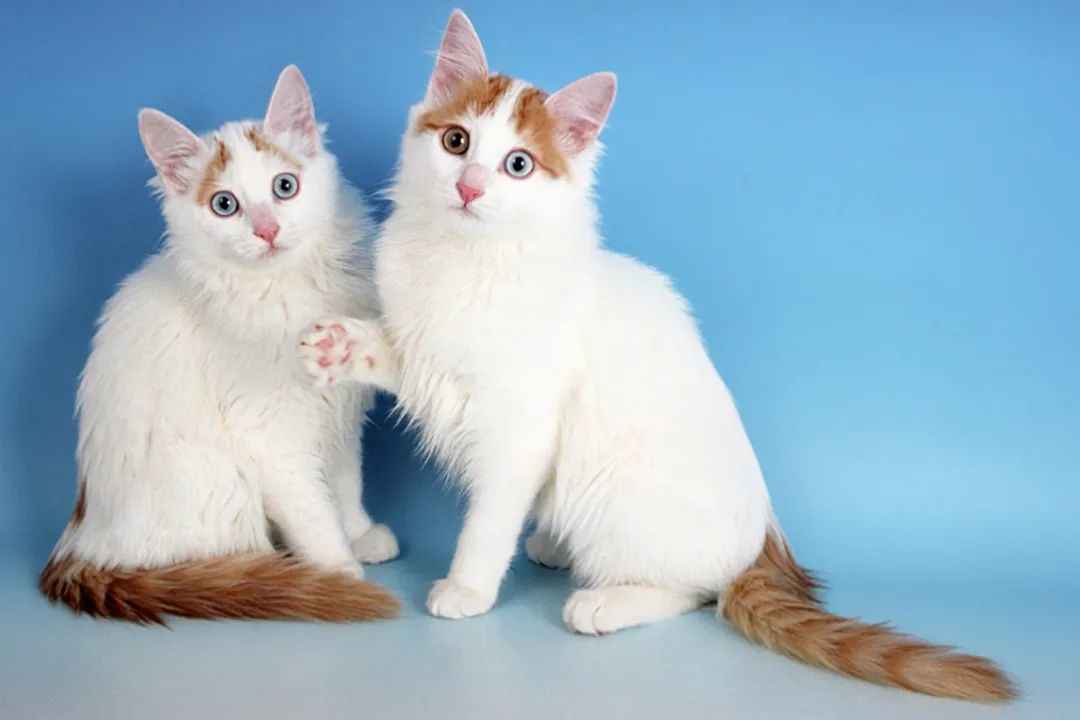
Nestled in the rugged landscapes of eastern Türkiye, the Turkish Van cat—affectionately known as the "Swimming Cat"—has captivated hearts worldwide with its striking appearance and ancient lineage. Revered as a national treasure, this breed traces its roots to the Lake Van region, where it has roamed for millennia, seamlessly blending into local folklore and modern cultural identity.

Origins and Distinctive Traits

The Turkish Van is a natural breed, untouched by artificial selection, with a history intertwined with human civilization in the "Cradle of Civilization" . Its most iconic features include a pure white, semi-long coat with vivid coloration limited to the head and tail, and often heterochromatic eyes (one blue, one amber) . Males can weigh between 9–20 pounds, while females range from 7–12 pounds, maturing fully at 3–5 years . Unlike most felines, Turkish Vans exhibit an extraordinary affinity for water, a trait documented since the 1950s when British photographers witnessed kittens swimming in ponds during their Turkish travels . This behavior earned them the nickname "Swimming Cat," cementing their status as a global curiosity.

Cultural Significance and Tourism Impact

In Türkiye, the Turkish Van is more than a pet—it is a cultural symbol. Known locally as "Vankedisi," the breed features prominently in folktales, where it is often portrayed as a heroic or mystical figure . Its allure extends beyond myth: the Van Cat Villa, a research and conservation center, welcomed over 200,000 visitors in 2024, including 30,000 international tourists . The center, established in 1992, not only preserves the breed’s genetic purity but also serves as a tourism hub, allowing visitors to interact with these regal cats .

Conservation and Modern Challenges

Efforts to safeguard the Turkish Van have intensified in recent decades. The Van Cat Research and Application Center employs advanced techniques, including a sperm bank, to enhance genetic diversity and fertility . In 2025 alone, the center recorded 37 healthy kittens in the first round of births, with plans to place at least 100 kittens in adoptive homes by year’s end . Local initiatives, such as Fatih Binici’s conservation project, have also played a pivotal role, rescuing cats from near-extinction and expanding habitats . However, challenges persist, including the need for stricter regulations to prevent unauthorized exports and ensure responsible ownership .

A Breed of Unmatched Personality

Beyond their physical allure, Turkish Vans are celebrated for their intelligence and vivacity. They excel at fetching, walking on leashes, and even performing tricks . Their playful antics—such as stealing pens or carrying stuffed animals larger than their heads—endear them to families globally . Despite their high energy (sleeping only 6–7 hours daily), they form deep bonds with humans, making them cherished companions .


As Türkiye continues to promote its cultural heritage, the Turkish Van stands as a living ambassador, bridging ancient traditions with modern conservation efforts. With its striking beauty, unique behaviors, and enduring legacy, this breed remains a testament to the harmony between nature and humanity.
Latest Stories
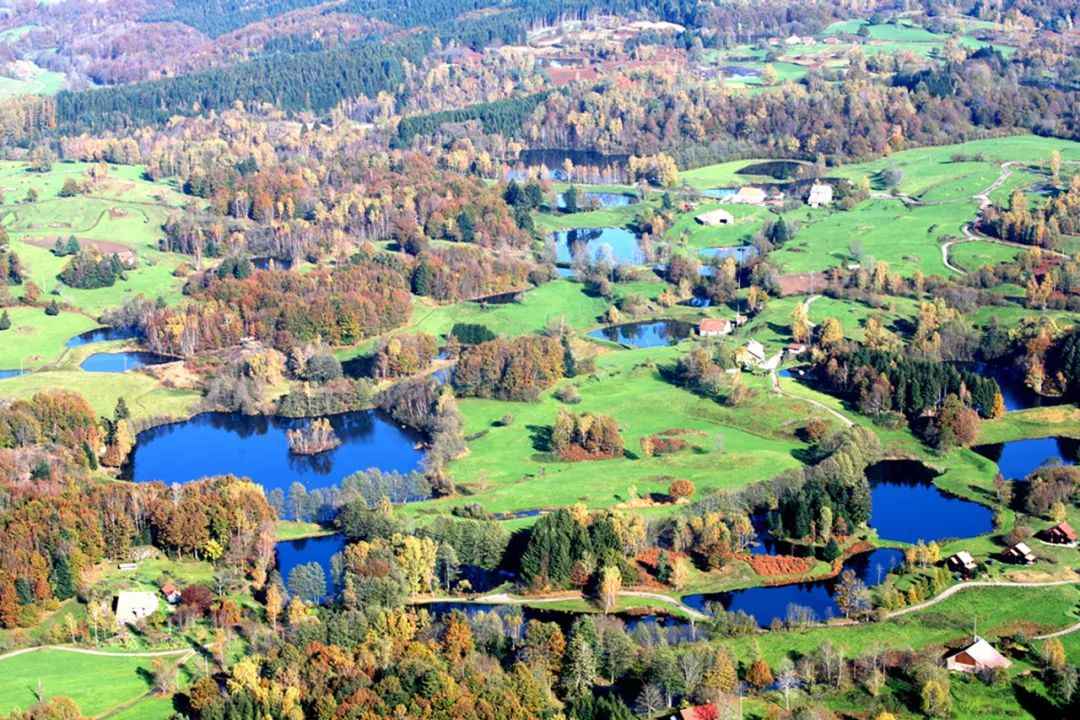
Travel News2 minute readNestled in the French Pre-Alps, the Plateau du Vercors stands as a testament to nature’s raw power and humanity’s indomitable spirit. Rising abruptly from the valleys of Isère, this limestone plateau—dominated by peaks like Grand Veymont (2,346 meters)—features sheer cliffs and labyrinthine gorges that earned it the nickname "the Natural Great Wall". Its dramatic landscapes, shaped over millennia by erosion, have not only sculpted a geological marvel but also forged a theater of historical significance.
Cultural News1 minute readSpain’s tomato-throwing "La Tomatina" is wildly popular, but for those who prefer hurling something tangier, head to Italy in February. At the Ivrea Carnival, thousands of ripe oranges are pelted in a juicy battle during the festival’s highlight.
Cultural News1 minute readIn Wuppertal, Germany, there’s a pedestrian bridge that looks like it’s built from giant Lego bricks. Though it’s actually a concrete structure, artists have painted it to mimic the iconic toy blocks, creating a playful optical illusion.
Feline News2 minute readThe European Burmese cat, a breed born from careful crossbreeding in mid-20th century Europe, has captivated cat enthusiasts with its elegant physique and affectionate nature. Originating from the American Burmese stock imported to the UK, European breeders sought to diversify the gene pool by introducing Siamese and British Shorthair bloodlines, resulting in a distinct feline with refined features. Recognized by major associations like the CFA since 2002, this breed stands out for its sleek, muscular build and striking golden or amber almond-shaped eyes, which contrast sharply with the rounde
Feline News2 minute readIn recent years, the Scottish Fold cat has become an internet sensation, celebrated for its distinctive folded ears and owl-like appearance. However, behind the adorable facade lies a dark reality rooted in genetic abnormality and ethical debate. This breed, born from a spontaneous mutation in a Scottish barn cat named Susie in 1961, has sparked global controversy over its health implications and breeding practices.
Feline News1 minute readOriginating from a spontaneous genetic mutation in 1950, the Cornish Rex emerged in Cornwall, England, when a cream-colored kitten named Kallibunker was born with a dense, wavy coat resembling a lamb’s fleece1. Recognizing its uniqueness, owner Nina Ennismore collaborated with geneticists to establish the breed. Due to the recessive nature of the mutation, breeding two Cornish Rex cats guarantees curly-coated offspring13.
Health News1 minute readOn June 30, FBI Deputy Director Dan Bongino announced the dismantling of the largest healthcare fraud case in U.S. history, with revised to $14.6 billion. The investigation covered all 50 federal districts, indicting 324 individuals—including 96 medical practitioners—and seizing $245 million in assets.