Unique Feline with Curled Ears Wins Global Hearts, Celebrated for Health and Playful Spirit


Feline News
Unique Feline with Curled Ears Wins Global Hearts, Celebrated for Health and Playful Spirit

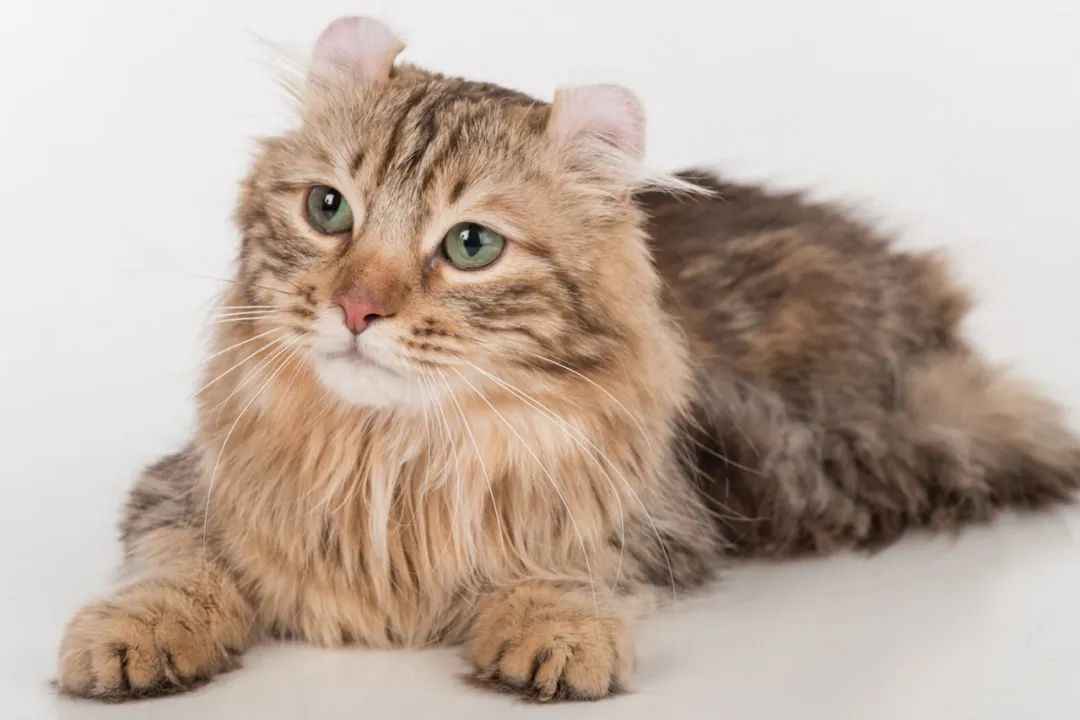
The American Curl Longhair, a breed born from a serendipitous genetic mutation, has captivated cat lovers worldwide with its distinctive appearance and affectionate demeanor. Originating in California in 1981, the breed traces its roots to a stray kitten named Shulamith, whose ears curled backward due to a natural genetic anomaly. This trait, initially observed in long-haired cats, was later propagated into short-haired variants, establishing the breed’s dual coat legacy.

Aesthetic Marvels: The Signature Curled Ears

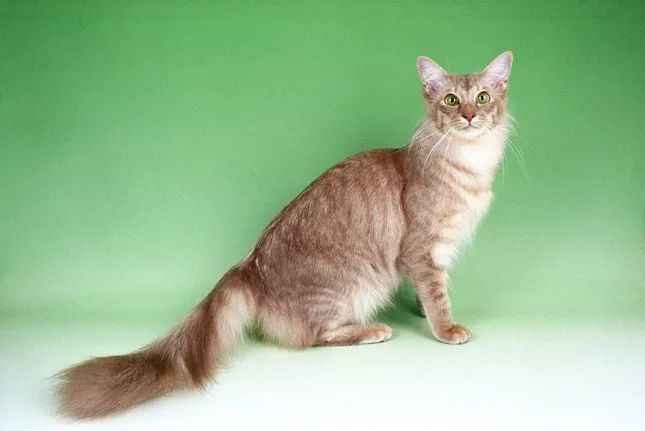
The defining feature of the American Curl Longhair is its elegantly curved ears, which develop gradually over the first week of life. The cartilage structure is robust, and the ears can curl into three distinct forms: slight, partial, or the coveted "full moon" shape, which is prized in competitions. Complementing this unique trait is a luxurious, silky coat that comes in a spectrum of colors and patterns, including solid, tabby, tortoiseshell, and calico. Breeders emphasize that the coat’s texture and length—ranging from medium to long—require moderate grooming to maintain its luster.

Temperament: The Perfect Family Companion

Known for their intelligence and curiosity, American Curl Longhairs thrive in interactive environments. They are often described as "urban explorers" due to their playful nature and love for climbing. Unlike more aloof breeds, they form deep bonds with their human families and coexist harmoniously with other pets. Their quiet vocalizations and intuitive understanding of human emotions make them exceptional companions for households of all sizes.

Health and Care: A Robust Breed with Specific Needs

While the American Curl Longhair is generally healthy, their ear structure makes them prone to wax buildup and infections. Regular cleaning with veterinarian-recommended solutions is essential to prevent bacterial growth. Additionally, dental care and weight management are critical, as obesity can exacerbate joint stress. Unlike the Scottish Fold, which faces genetic cartilage issues, the American Curl’s ear mutation does not compromise skeletal health, ensuring a lifespan of 12–16 years with proper care.

Recognition and Legacy

The breed’s journey to prominence began in 1986 when the Cat Fanciers’ Association (CFA) officially recognized it. In 1993, the International Cat Association (TICA) made history by granting championship status to both longhair and shorthair varieties, a rare distinction at the time. Today, American Curl Longhairs continue to shine in competitions, with notable achievements including TICA’s Supreme Grand Champion titles and regional awards for their striking appearance and temperament.


As a symbol of genetic innovation and feline grace, the American Curl Longhair remains a testament to the beauty of natural mutations. Whether lounging at home or dazzling in the show ring, this breed embodies the perfect blend of elegance, health, and companionship.

Latest Stories
Feline News2 minute readThe Himalayan cat, a captivating fusion of Persian and Siamese genetics, has enchanted cat enthusiasts worldwide with its striking blue eyes and luxurious coat. Bred since the 1930s, this breed gained official recognition in 1957 when breeders Ben and Ann Borrett debuted their specimens at a cat show, setting standards adopted by organizations like the CFA . Nicknamed "Himmies," these cats balance elegance with affectionate charm, though their popularity demands careful attention to health and grooming.
Feline News1 minute readReportedly, the Dwelf cat, an emerging and distinctive feline breed, is gaining attention from cat enthusiasts worldwide due to its highly recognizable appearance and gentle temperament. This unique breed is a result of careful crossbreeding between the Sphynx, Devon Rex, and American Curl, combining the typical characteristics of these three breeds.
Feline News1 minute readThe European Shorthair, a beloved feline breed with deep roots in Europe, has charmed cat enthusiasts for centuries. Renowned for its robust build, short dense coat, and friendly demeanor, this breed stands out as a versatile and adaptable companion.
Feline News1 minute readAsia, a cradle of diverse feline heritage, has given the world some of the most beloved cat breeds, each boasting unique traits shaped by centuries of regional culture and environment. These breeds, celebrated for their distinct appearances and personalities, continue to captivate cat enthusiasts worldwide.
Health News1 minute readA mysterious and highly lethal disease is sweeping through the Democratic Republic of the Congo (DRC), with patients succumbing within 48 hours of symptom onset, prompting urgent global health alerts. The World Health Organization (WHO) has declared the outbreak a "major public health threat," as cases continue to surge across remote regions of Equateur Province. As of late February 2025, the crisis has escalated to 1,096 confirmed cases and 60 deaths, with a mortality rate of approximately 5.5% .
Feline News2 minute readThe Oriental Shorthair, a breed celebrated for its striking elegance and dynamic personality, traces its origins to mid-20th century breeding programs in the UK and the US2. Developed as a close relative of the Siamese, these cats emerged from intentional crossbreeding with British Shorthairs and Abyssinians to create a feline with the Siamese’s sleek physique but expanded coat color possibilities28. By the 1970s, the breed gained international recognition, captivating cat lovers worldwide with its unique charm.
Feline News2 minute readThe Maine Coon, often hailed as the "gentle giant" of the cat world, is a breed that captivates with its imposing size, striking appearance, and affectionate demeanor. Originating in the U.S. state of Maine, these regal felines have a rich history intertwined with myths and legends, from tales of Viking settlers bringing Norwegian Forest Cats to New England to claims of descent from Marie Antoinette’s cherished pets 37. While genetic studies indicate their roots lie in Western European domestic cats brought by Puritan settlers in the 17th–18th centuries, their enigmatic past only adds to their