Culture And Art

Living on the Water: The Allure of Dutch Houseboats


Italians Struggle Without Their Daily Coffee Fix

In Vatican, Needing to Go Abroad for a Haircut



Niger: Meat is Affordable, but Vegetables are a Luxury
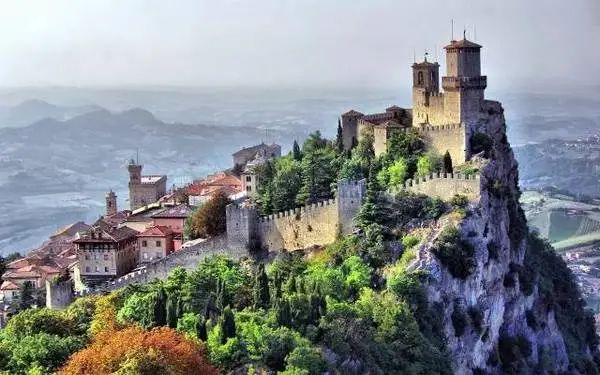
In Niger, a rather unusual dietary situation has emerged where meat is more accessible than vegetables for many of its citizens. Niger, a landlocked country in West Africa, faces significant challenges in its agricultural production, which has led to this curious phenomenon.
South Africa: A Land Abundant in Diamonds
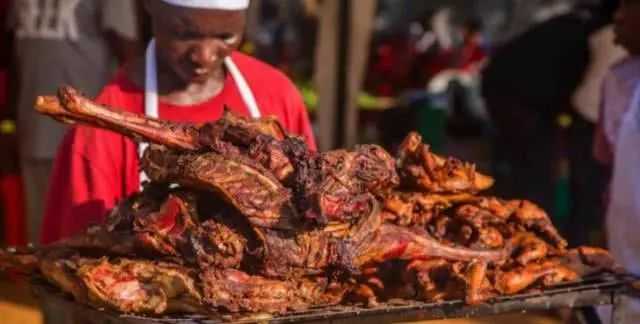
South Africa, located at the southernmost tip of the African continent, is renowned for its rich diamond resources. The discovery of diamonds in South Africa dates back to 1866 when a young shepherd named Erasmus Jacobs picked up a unique stone along the banks of the Orange River. Later identified as a 21.25 - carat diamond, it was named the “Eureka” diamond, marking the first diamond discovery in the country.

Moose Sightings on the Rise: Canadian Roads Teeming with Wildlife
In recent weeks, Canadians have been treated to a rather unusual sight - moose roaming freely on the country's roads. The sightings, which have been reported across several provinces, have led to a mix of excitement and concern among locals and authorities alike.
Mexicans' Unusual Dietary Habit: Eating Cacti Daily
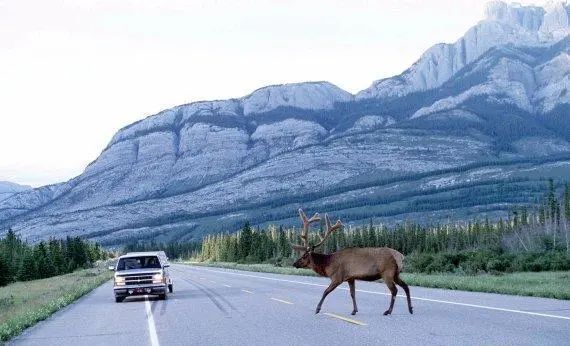
In Mexico, cacti are not just desert plants dotting the arid landscapes; they are an integral part of the local diet. It might sound astonishing, but Mexicans consume cacti on a daily basis. This unique culinary practice has deep roots in the country's culture and environment.

In Colombia, Ants are Consumed as Snacks
In Colombia, an unusual culinary practice has been catching the attention of people both locally and abroad. Some Colombians have a unique taste for ants, which they consume as snacks.

Peru's Mysterious Geoglyphs Abound
In the vast and arid Nazca desert of southern Peru, a remarkable phenomenon has intrigued the world for decades - an abundance of strange and mysterious geoglyphs. These geoglyphs, known as the Nazca Lines, were created between 500 BC and 500 AD. The local people made them by making depressions or shallow incisions in the desert floor, removing pebbles and exposing different - colored dirt.
Unusual Tradition: Hiding Money in Food in Bolivia
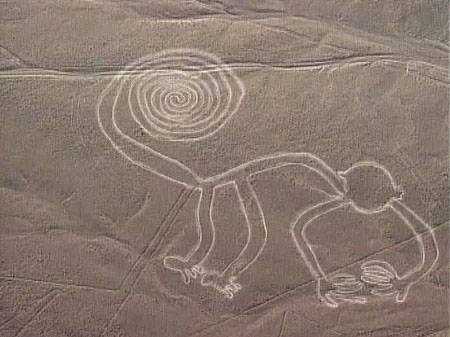
In Bolivia, there exists an interesting and rather unique cultural practice of hiding money in food. This custom is deeply rooted in the local traditions and beliefs, adding a special touch to various occasions.