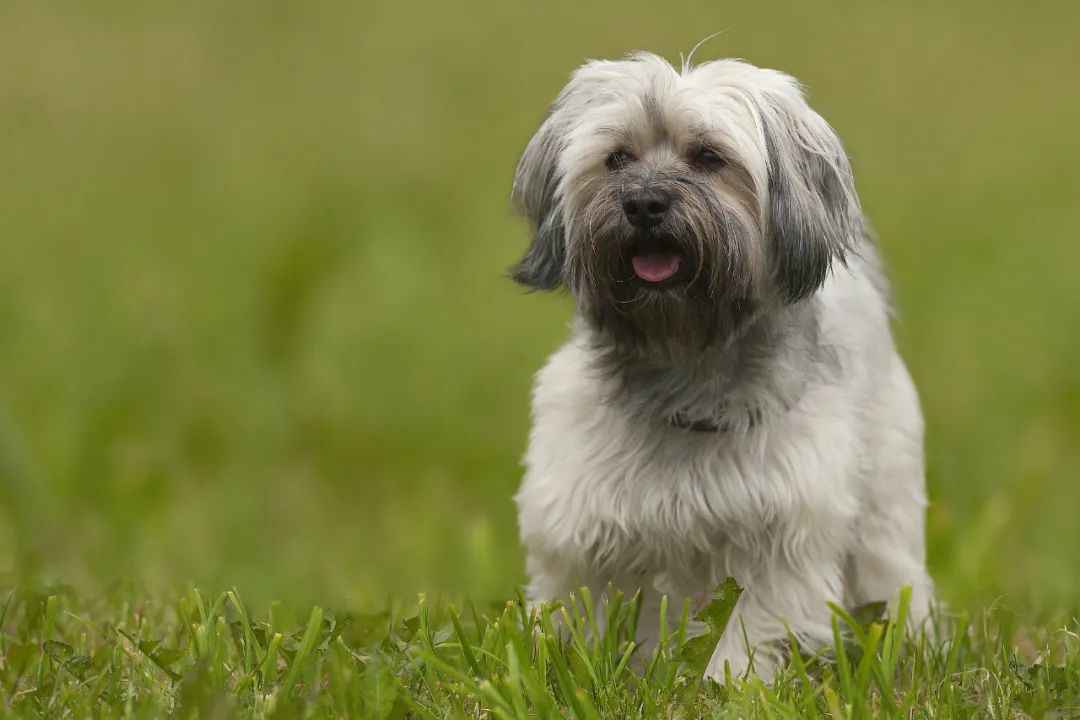
A Journey of Resilience and Charm Across Centuries


Canine News
A Journey of Resilience and Charm Across Centuries

Havana, Cuba’s vibrant capital, is not only renowned for its colonial architecture and rum distilleries but also as the birthplace of the Havanese, a breed that embodies Cuba’s rich cultural tapestry. Originating from Spanish and French companion dogs brought to the island in the 18th century, the Havanese evolved into Cuba’s only native purebred dog, cherished for its silky coat and affectionate nature

Initially reserved for Cuban aristocracy, these dogs were symbols of status and luxury. During the Cuban Revolution in the 1950s, many Havanese were smuggled out of the country by exiles, preserving the breed’s lineage. In the U.S., dedicated breeders like Dorothy Goodale established the Havanese Club of America in 1979, leading to AKC recognition in 1996. Today, the breed ranks 25th among the 1999 registered breeds in the U.S., celebrated for its adaptability and charm136.


Physical Grace and Temperament
Weighing 7–13 pounds with a shoulder height of 8.5–11.5 inches, the Havanese boasts a double coat—soft, silky, and often wavy or curly. Their coat colors range from white to chocolate, with striking patterns like sable and brindle. Known as the “Havana Silk Dog,” their luxurious fur requires daily grooming to prevent matting56.


Personality-wise, Havanese dogs are affectionate “velcro dogs,” thriving on human companionship. They excel in family settings, bonding closely with children and adapting well to apartment living. Their intelligence makes them eager learners, though early socialization is key to curbing separation anxiety and excessive barking78.


Health and Care
With a lifespan of 13–16 years, Havanese face genetic predispositions to hip dysplasia, cataracts, and patellar luxation. Regular veterinary check-ups and a balanced diet are essential. Daily exercise—30–60 minutes of walks or play—keeps them physically fit, while mental stimulation through puzzle toys prevents boredom91112.


Global Appeal
From Havana’s cobblestone streets to international dog shows, the Havanese has transcended borders. Its journey mirrors Cuba’s history—marked by resilience and cultural exchange. Whether as therapy dogs or social media stars, these “smiling ambassadors” continue to win hearts, proving that true charm knows no boundaries
Latest Stories
Feline News2 minute readThe Oriental Longhair, a breed celebrated for its elegance and intelligence, traces its roots to mid-20th-century breeding programs aimed at expanding the color and pattern diversity of Siamese cats . Developed through crosses with breeds like Russian Blues and British Shorthairs, these cats gained recognition in the 1970s and were officially acknowledged by The International Cat Association (TICA) in 1979 and the Cat Fanciers' Association (CFA) in 1995 .
Feline News2 minute readThe Korat cat, originating from Thailand’s Nakhon Ratchasima province (formerly Korat), is a breed deeply rooted in history and cultural significance. Revered for centuries as a symbol of good luck and prosperity, these silver-blue felines have enchanted the world with their striking appearance and affectionate nature.
Feline News2 minute readA heartwarming tale of survival and companionship has thrust the Munchkin cat into the global spotlight, showcasing the breed’s unique charm and indomitable spirit. Mochi, an 8-month-old Munchkin rescued from a life-threatening illness, has become an international symbol of hope, embodying the resilience and playful nature that define these short-legged felines.
Travel News2 minute readPerched atop an 82-meter volcanic plug in Le Puy-en-Velay, France, the Chapelle Saint-Michel d’Aiguilhe stands as a testament to faith and engineering prowess. Built in 962 AD, this architectural marvel balances precariously on a basaltic rock formation, blending Romanesque austerity with Moorish-inspired ornamentation to create one of Europe’s most dramatic religious landmarks.
Feline News2 minute readRagamuffin cats, affectionately known as "muffins," have captured the hearts of cat lovers worldwide with their plush coats, docile personalities, and striking appearance. Originating in the United States in the 1990s, this breed emerged from a group of breeders seeking to expand the genetic diversity of Ragdoll cats. By crossing Ragdolls with Persians, Himalayans, and other long-haired breeds, they created a larger, more robust feline with a broader range of coat colors and patterns
Canine News2 minute readOriginating in the early 20th century, the American White Shepherd traces its lineage to the German Shepherd. Due to a recessive white coat gene, these dogs were long considered "flawed" in Germany and systematically culled from breeding programs12. However, North American breeders recognized their unique appeal and selectively developed them into a distinct breed, officially acknowledged by the United Kennel Club (UKC) in 199917
Canine News1 minute readAs the world's first operational vertical/short takeoff and landing (V/STOL) fighter jet, the British-developed Harrier, nicknamed the "Jump Jet," has left an indelible mark on aviation history through its groundbreaking design and combat prowess.