Cuttlefish: The Elusive Masters of Camouflage and Deception


Marine Biology
Cuttlefish: The Elusive Masters of Camouflage and Deception

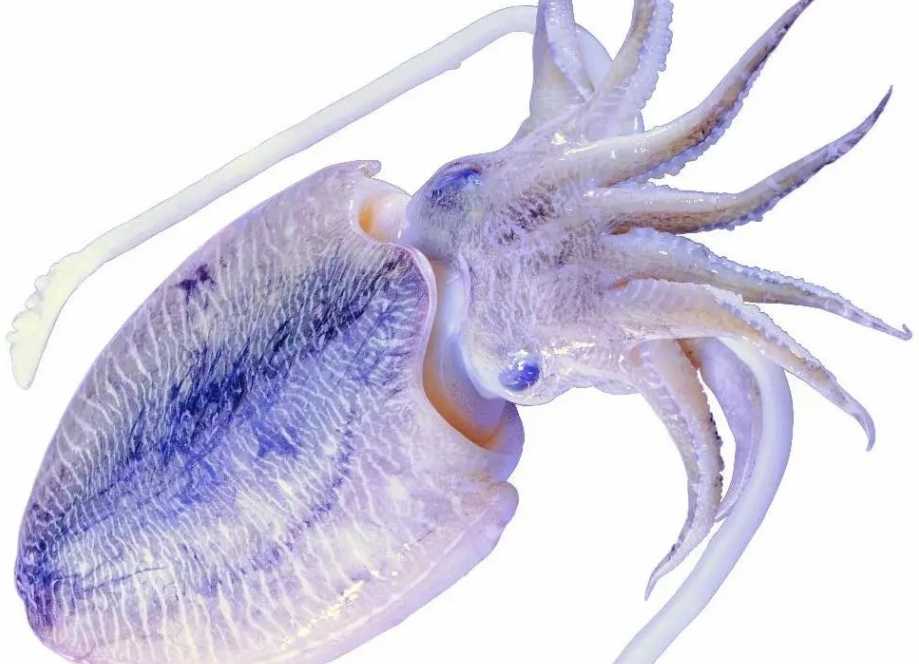
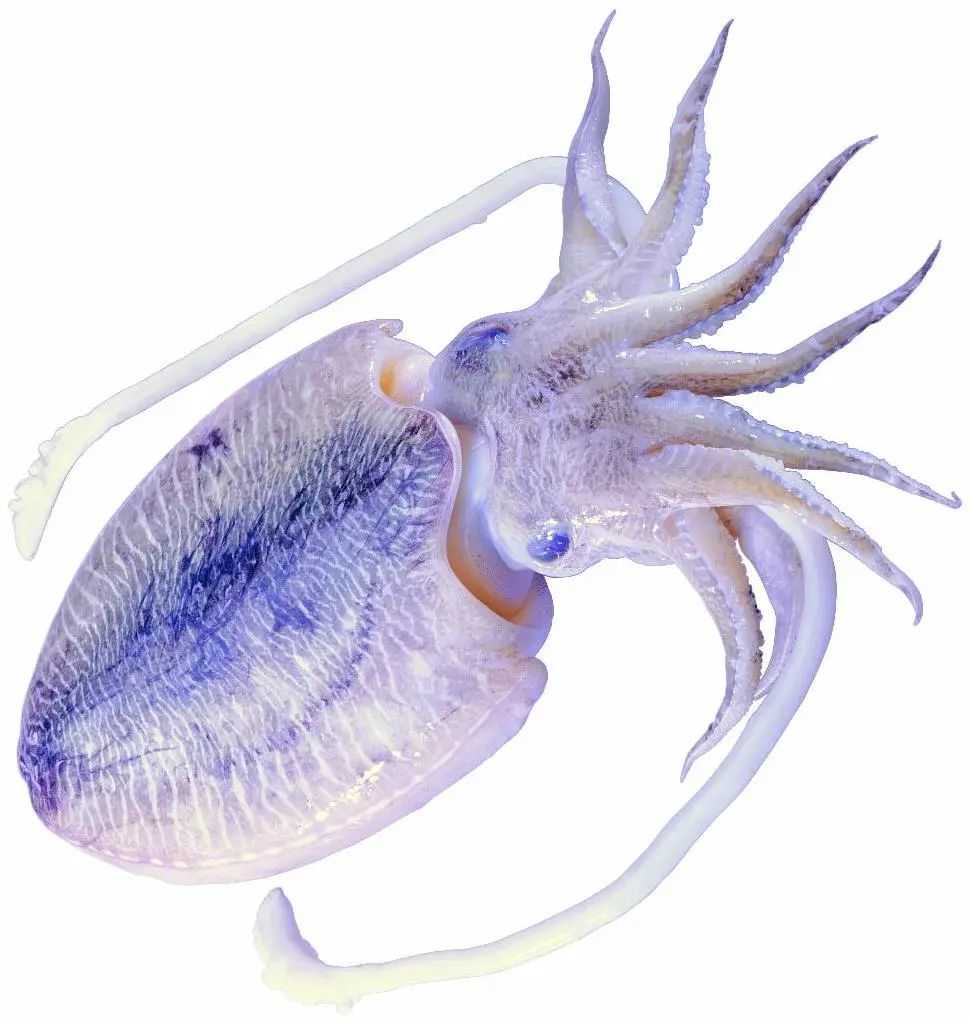
Cuttlefish, belonging to the Sepiidae family within the order Sepiida, are intriguing marine mollusks commonly known as "inkfish" due to their unique defense mechanism. Found in temperate and tropical oceans worldwide, these creatures are celebrated for their extraordinary ability to change skin color and texture in an instant, combined with a distinct oval body shape that sets them apart from their close relatives, squid.
Source: Images from the Internet, if there is any infringement, please contact the removal of


Resembling a soft, flexible sack, the cuttlefish’s body houses all internal organs within a muscular mantle, with a broad, oval mantle that tapers into a pair of triangular fins running along its sides. Unlike squid, which have more elongated, cylindrical bodies, cuttlefish feature a broader, more rounded profile, often growing up to 50 centimeters in length. Their most iconic trait is the specialized skin cells called chromatophores, which allow them to display a vibrant array of colors and patterns, from iridescent blues and greens to intricate zebra-like stripes, enabling seamless camouflage against predators or communication with mates. When threatened by predators such as sharks or dolphins, they unleash a cloud of dark ink—composed of melanin and mucus—to obscure the attacker’s vision, creating a vital window of escape.


Beyond their physical adaptations, cuttlefish exhibit remarkable intelligence, navigating complex social interactions and problem-solving tasks. They are skilled ambush predators, using their eight arms and two specialized feeding tentacles to capture shrimp, crabs, and small fish. Their diet is supplemented by a parrot-like beak hidden within their arm cluster, which crushes the shells of prey. Despite their "deceptive" reputation from folklore, derived from their ink-defense and cryptic behavior, cuttlefish are harmless to humans unless provoked.


However, cuttlefish face mounting pressures from overfishing, as their meat is a culinary staple in many Asian cultures, and their ink is used in gourmet dishes. Habitat degradation from coastal development and pollution further threatens their shallow-water ecosystems. Conservation efforts, including sustainable fishing practices and marine protected areas, aim to preserve these enigmatic creatures. As both masters of marine camouflage and key players in ocean food webs, cuttlefish remind us of the intricate biodiversity hidden beneath the waves—and the urgent need to protect their fragile habitats.
Latest Stories
Feline News2 minute readThe Oriental Longhair, a breed celebrated for its elegance and intelligence, traces its roots to mid-20th-century breeding programs aimed at expanding the color and pattern diversity of Siamese cats . Developed through crosses with breeds like Russian Blues and British Shorthairs, these cats gained recognition in the 1970s and were officially acknowledged by The International Cat Association (TICA) in 1979 and the Cat Fanciers' Association (CFA) in 1995 .
Feline News2 minute readThe Korat cat, originating from Thailand’s Nakhon Ratchasima province (formerly Korat), is a breed deeply rooted in history and cultural significance. Revered for centuries as a symbol of good luck and prosperity, these silver-blue felines have enchanted the world with their striking appearance and affectionate nature.
Feline News2 minute readA heartwarming tale of survival and companionship has thrust the Munchkin cat into the global spotlight, showcasing the breed’s unique charm and indomitable spirit. Mochi, an 8-month-old Munchkin rescued from a life-threatening illness, has become an international symbol of hope, embodying the resilience and playful nature that define these short-legged felines.
Travel News2 minute readPerched atop an 82-meter volcanic plug in Le Puy-en-Velay, France, the Chapelle Saint-Michel d’Aiguilhe stands as a testament to faith and engineering prowess. Built in 962 AD, this architectural marvel balances precariously on a basaltic rock formation, blending Romanesque austerity with Moorish-inspired ornamentation to create one of Europe’s most dramatic religious landmarks.
Feline News2 minute readRagamuffin cats, affectionately known as "muffins," have captured the hearts of cat lovers worldwide with their plush coats, docile personalities, and striking appearance. Originating in the United States in the 1990s, this breed emerged from a group of breeders seeking to expand the genetic diversity of Ragdoll cats. By crossing Ragdolls with Persians, Himalayans, and other long-haired breeds, they created a larger, more robust feline with a broader range of coat colors and patterns
Canine News2 minute readOriginating in the early 20th century, the American White Shepherd traces its lineage to the German Shepherd. Due to a recessive white coat gene, these dogs were long considered "flawed" in Germany and systematically culled from breeding programs12. However, North American breeders recognized their unique appeal and selectively developed them into a distinct breed, officially acknowledged by the United Kennel Club (UKC) in 199917
Canine News1 minute readAs the world's first operational vertical/short takeoff and landing (V/STOL) fighter jet, the British-developed Harrier, nicknamed the "Jump Jet," has left an indelible mark on aviation history through its groundbreaking design and combat prowess.