Epinephelus coioides: The Resilient "Green Grouper" of Tropical Waters


Marine Biology
Epinephelus coioides: The Resilient "Green Grouper" of Tropical Waters

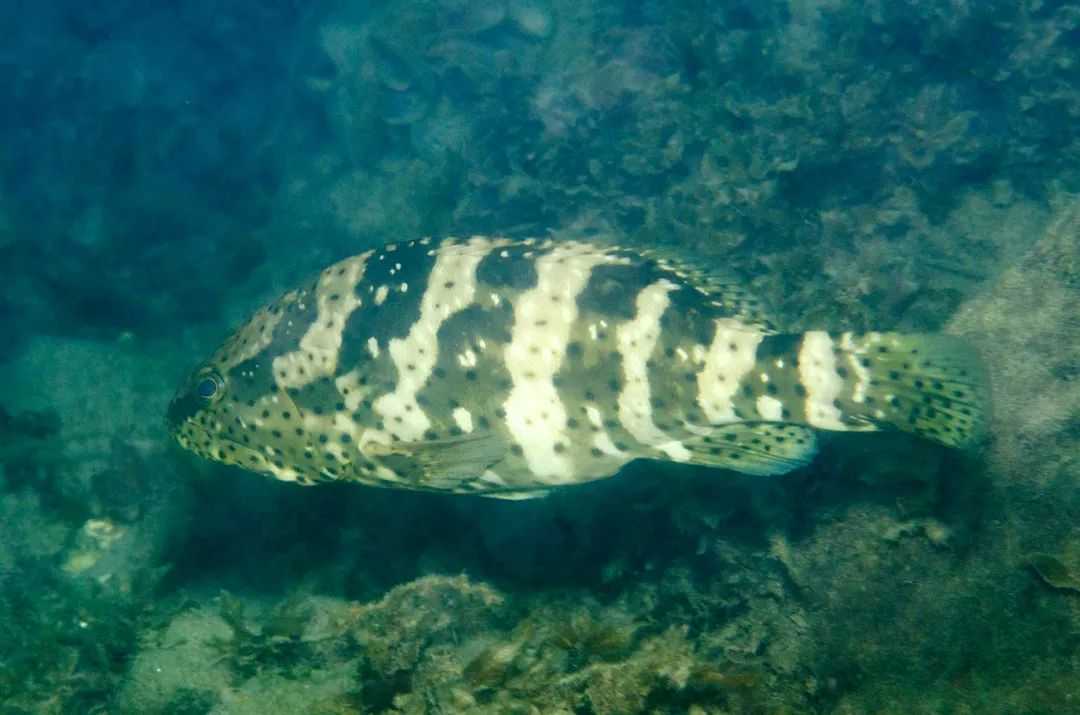
Epinephelus coioides, commonly referred to as the green grouper or blue-spotted grouper, is a prominent marine fish species inhabiting the tropical and subtropical waters of the Indo-Pacific region. Renowned for its distinctive appearance and ecological significance, this grouper has earned its nickname "green grouper" from its olive-green to grayish body, adorned with irregular blue or black spots that serve as effective camouflage against coral reefs and rocky seabeds. As a medium-sized grouper, it typically reaches lengths of 60–80 centimeters,though larger specimens can exceed 1 meter


In its native habitat, the green grouper plays a crucial role as a top predator, preying on a diverse diet of small fish, crustaceans, and mollusks. Its powerful jaws and sharp teeth enable it to ambush prey with precision, contributing to the balance of marine biodiversity by controlling populations of smaller species. During the day, it often seeks shelter in crevices or caves, emerging at night to hunt. This nocturnal behavior, combined with its ability to adapt to varying water conditions, has allowed it to thrive in a range of environments, from shallow coastal waters to deeper reef drop-offs.


Despite its adaptability, Epinephelus coioides faces significant threats from overfishing and habitat degradation. Highly prized for its tender, white flesh in the seafood market, especially in Southeast Asia and China, the species has experienced population declines in many regions due to unregulated fishing practices. In response, aquaculture initiatives have expanded to meet demand sustainably, leveraging the green grouper’s relatively fast growth rate and tolerance for captivity. However, challenges remain, including the risk of disease transmission and genetic dilution from escaped farmed individuals. Conservation efforts, such as marine protected areas and stricter fishing regulations, aim to safeguard the future of this iconic species, ensuring its continued role in maintaining the health and vibrancy of tropical marine ecosystems.
Latest Stories
Feline News2 minute readThe Oriental Longhair, a breed celebrated for its elegance and intelligence, traces its roots to mid-20th-century breeding programs aimed at expanding the color and pattern diversity of Siamese cats . Developed through crosses with breeds like Russian Blues and British Shorthairs, these cats gained recognition in the 1970s and were officially acknowledged by The International Cat Association (TICA) in 1979 and the Cat Fanciers' Association (CFA) in 1995 .
Feline News2 minute readThe Korat cat, originating from Thailand’s Nakhon Ratchasima province (formerly Korat), is a breed deeply rooted in history and cultural significance. Revered for centuries as a symbol of good luck and prosperity, these silver-blue felines have enchanted the world with their striking appearance and affectionate nature.
Feline News2 minute readA heartwarming tale of survival and companionship has thrust the Munchkin cat into the global spotlight, showcasing the breed’s unique charm and indomitable spirit. Mochi, an 8-month-old Munchkin rescued from a life-threatening illness, has become an international symbol of hope, embodying the resilience and playful nature that define these short-legged felines.
Travel News2 minute readPerched atop an 82-meter volcanic plug in Le Puy-en-Velay, France, the Chapelle Saint-Michel d’Aiguilhe stands as a testament to faith and engineering prowess. Built in 962 AD, this architectural marvel balances precariously on a basaltic rock formation, blending Romanesque austerity with Moorish-inspired ornamentation to create one of Europe’s most dramatic religious landmarks.
Feline News2 minute readRagamuffin cats, affectionately known as "muffins," have captured the hearts of cat lovers worldwide with their plush coats, docile personalities, and striking appearance. Originating in the United States in the 1990s, this breed emerged from a group of breeders seeking to expand the genetic diversity of Ragdoll cats. By crossing Ragdolls with Persians, Himalayans, and other long-haired breeds, they created a larger, more robust feline with a broader range of coat colors and patterns
Canine News2 minute readOriginating in the early 20th century, the American White Shepherd traces its lineage to the German Shepherd. Due to a recessive white coat gene, these dogs were long considered "flawed" in Germany and systematically culled from breeding programs12. However, North American breeders recognized their unique appeal and selectively developed them into a distinct breed, officially acknowledged by the United Kennel Club (UKC) in 199917
Canine News1 minute readAs the world's first operational vertical/short takeoff and landing (V/STOL) fighter jet, the British-developed Harrier, nicknamed the "Jump Jet," has left an indelible mark on aviation history through its groundbreaking design and combat prowess.