Finnish Spitz: The Ancient Hunter and Loyal Companion of Nordic Forests


Canine News
Finnish Spitz: The Ancient Hunter and Loyal Companion of Nordic Forests

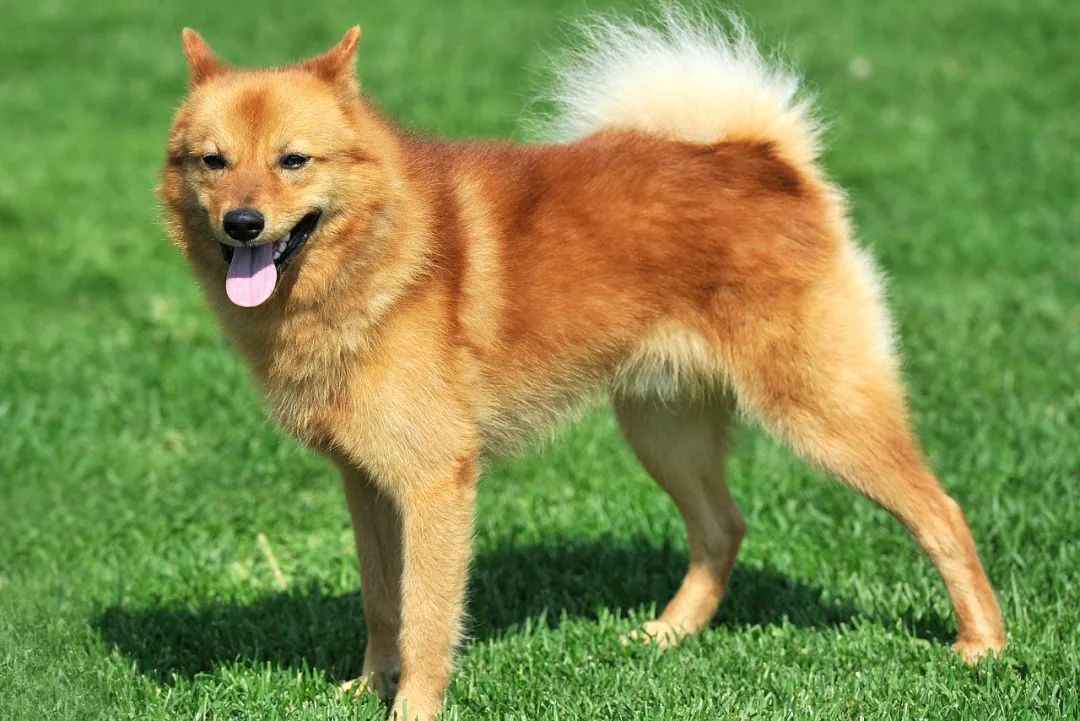
The Finnish Spitz, with a history dating back 3,000 years, originated in Finland, where its ancestors were brought by migrants from Central Russia. Recognized as Finland’s national dog, this breed has long served as both a skilled hunting partner and a devoted family companion. Distinguished by its fox-like appearance, the Finnish Spitz features a wedge-shaped head, pricked pointed ears, and a fluffy curled tail. Its double coat—comprising a soft undercoat and coarse guard hairs—exhibits the unique "Finnish Spitz sheen," ranging in color from light honey to deep auburn, with occasional white m


In the wild, the Finnish Spitz demonstrates remarkable intelligence and stamina. Using its acute sense of smell to track birds, it freezes prey in place with up to 160 barks per minute and a slow-wagging tail, guiding hunters to precise shots. This unique skill has earned it the title "King of Barkers" in Finland, where annual barking competitions test its vocal prowess. Though now primarily a companion dog, it retains high energy levels, requiring at least one hour of daily outdoor activity to stay content.


Temperamentally, the Finnish Spitz is lively and affectionate with family but wary of strangers. Intelligent yet independent, it responds best to patient training with positive reinforcement, as its stubborn nature can lead to behavioral issues if mishandled. Notably, the breed undergoes heavy seasonal shedding, necessitating frequent brushing during its twice-yearly coat changes; routine care involves weekly grooming and regular dental checks.


Historically, the Finnish Spitz faced extinction in the late 19th century due to crossbreeding. Thanks to efforts by breeders like Hugo Roos, the Finnish Kennel Club formalized its breed standard in 1892, and it was granted the "national dog" title in 1979. Today, this ancient breed continues to gain global attention, balancing functionality and aesthetics. In 2022, it ranked 188th among AKC (American Kennel Club) breeds, reflecting its steady international recognition. Whether tracking game in forests or lounging with owners at home, the Finnish Spitz embodies the resilient spirit of Nordic canines with unwavering loyalty and vitality.
Latest Stories
Feline News2 minute readThe Oriental Longhair, a breed celebrated for its elegance and intelligence, traces its roots to mid-20th-century breeding programs aimed at expanding the color and pattern diversity of Siamese cats . Developed through crosses with breeds like Russian Blues and British Shorthairs, these cats gained recognition in the 1970s and were officially acknowledged by The International Cat Association (TICA) in 1979 and the Cat Fanciers' Association (CFA) in 1995 .
Feline News2 minute readThe Korat cat, originating from Thailand’s Nakhon Ratchasima province (formerly Korat), is a breed deeply rooted in history and cultural significance. Revered for centuries as a symbol of good luck and prosperity, these silver-blue felines have enchanted the world with their striking appearance and affectionate nature.
Feline News2 minute readA heartwarming tale of survival and companionship has thrust the Munchkin cat into the global spotlight, showcasing the breed’s unique charm and indomitable spirit. Mochi, an 8-month-old Munchkin rescued from a life-threatening illness, has become an international symbol of hope, embodying the resilience and playful nature that define these short-legged felines.
Travel News2 minute readPerched atop an 82-meter volcanic plug in Le Puy-en-Velay, France, the Chapelle Saint-Michel d’Aiguilhe stands as a testament to faith and engineering prowess. Built in 962 AD, this architectural marvel balances precariously on a basaltic rock formation, blending Romanesque austerity with Moorish-inspired ornamentation to create one of Europe’s most dramatic religious landmarks.
Feline News2 minute readRagamuffin cats, affectionately known as "muffins," have captured the hearts of cat lovers worldwide with their plush coats, docile personalities, and striking appearance. Originating in the United States in the 1990s, this breed emerged from a group of breeders seeking to expand the genetic diversity of Ragdoll cats. By crossing Ragdolls with Persians, Himalayans, and other long-haired breeds, they created a larger, more robust feline with a broader range of coat colors and patterns
Canine News2 minute readOriginating in the early 20th century, the American White Shepherd traces its lineage to the German Shepherd. Due to a recessive white coat gene, these dogs were long considered "flawed" in Germany and systematically culled from breeding programs12. However, North American breeders recognized their unique appeal and selectively developed them into a distinct breed, officially acknowledged by the United Kennel Club (UKC) in 199917
Canine News1 minute readAs the world's first operational vertical/short takeoff and landing (V/STOL) fighter jet, the British-developed Harrier, nicknamed the "Jump Jet," has left an indelible mark on aviation history through its groundbreaking design and combat prowess.