From Royal Hunting Grounds to Loyal Companions in Modern Homes


Canine News
From Royal Hunting Grounds to Loyal Companions in Modern Homes

The English Beagle, a historic hound breed, traces its origins back to medieval England. Initially developed by crossbreeding ancient Greek harehounds with native English hounds, it was refined in the 16th century to specialize in hunting hares for British royalty, earning the nickname "rabbit killer." The breed was officially recognized by the American Kennel Club (AKC) in 1885, and over time, its role shifted from hunting to becoming a beloved family companion. In 2023, it ranked 8th among the most popular dog breeds in the U.S.

Physical Characteristics

Standing 33–41 cm tall at the shoulder and weighing 8–14 kg, the English Beagle has a sturdy, compact build. Its most distinctive features include "U"-shaped drooping ears that cling to the cheeks, gentle brown or hazel eyes, and a short, dense coat typically marked with black, white, and tan. The tail, often white-tipped, stands erect and waves when the dog is active. Agile and enduring, it boasts a brisk, tireless stride ideal for long-distance tracking.

Temperament and Behavior

Known for its cheerful and sociable nature, the Beagle is friendly even to strangers, earning it the title of "the musician among dogs" for its unique, melodious baying during hunts. However, its low obedience level and strong curiosity can lead to mischief, such as chewing or digging, making daily exercise essential to channel its energy. Notably, the English Beagle is slightly larger and more muscular than its American counterpart, a distinction rooted in regional breeding standards.

Health and Care

While generally robust, the breed faces specific health risks: approximately 15% suffer from hip dysplasia, 20% are prone to ear infections, and obesity is a common concern due to their voracious appetites. Regular ear cleaning, strict weight management, and joint health support are critical for care. Historically, their calm temperament and predictable genetics made them frequent subjects in medical research. However, in 2025, the U.S. National Institutes of Health (NIH) announced an end to all Beagle-related experiments, prompting a shift toward adoption as family pets.

Cultural Symbolism and Modern Roles

As the inspiration for the iconic cartoon character Snoopy, the Beagle has become a global cultural symbol. Today, besides being cherished family pets, they serve as diligent drug-detection dogs in airports, leveraging their exceptional sense of smell. Data from 2025 shows the breed remains highly popular in North America and Europe, valued for its adaptability and loyalty in multi-generational households. With growing animal welfare awareness, rescued laboratory Beagles are increasingly finding loving homes, further cementing their reputation as "humankind’s best companions."


From royal hunting grounds to modern cities, the English Beagle continues to thrive, blending historical significance with versatile charm in human life.
Latest Stories
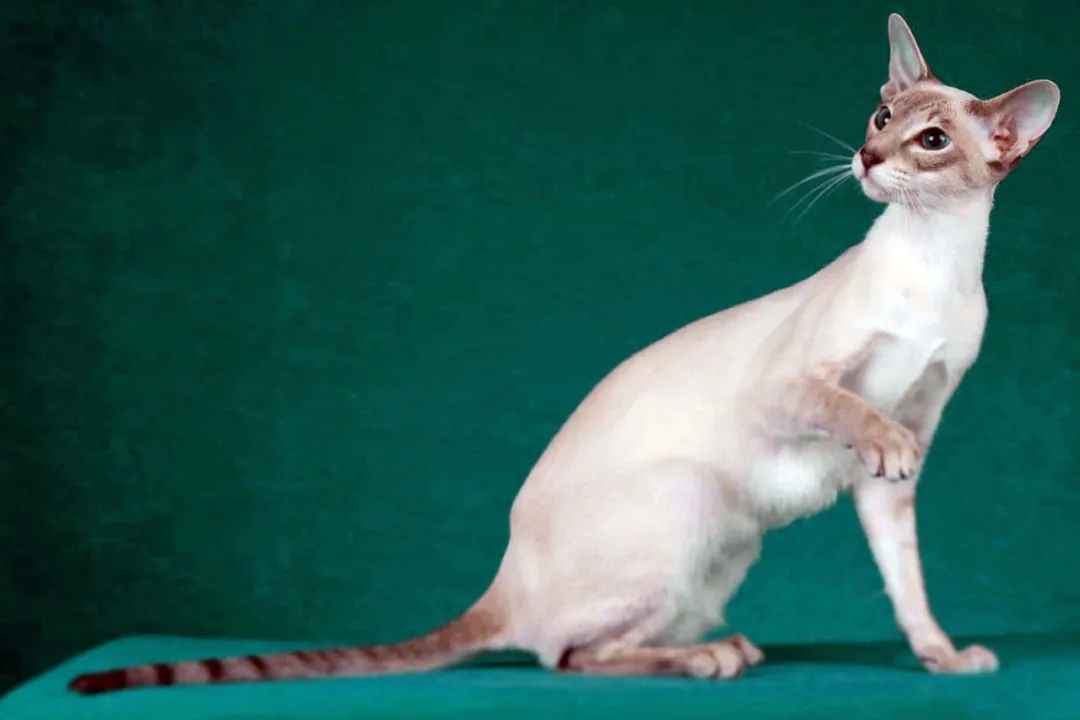
Feline News2 minute readThe Oriental Longhair, a breed celebrated for its elegance and intelligence, traces its roots to mid-20th-century breeding programs aimed at expanding the color and pattern diversity of Siamese cats . Developed through crosses with breeds like Russian Blues and British Shorthairs, these cats gained recognition in the 1970s and were officially acknowledged by The International Cat Association (TICA) in 1979 and the Cat Fanciers' Association (CFA) in 1995 .
Feline News2 minute readThe Korat cat, originating from Thailand’s Nakhon Ratchasima province (formerly Korat), is a breed deeply rooted in history and cultural significance. Revered for centuries as a symbol of good luck and prosperity, these silver-blue felines have enchanted the world with their striking appearance and affectionate nature.
Feline News2 minute readA heartwarming tale of survival and companionship has thrust the Munchkin cat into the global spotlight, showcasing the breed’s unique charm and indomitable spirit. Mochi, an 8-month-old Munchkin rescued from a life-threatening illness, has become an international symbol of hope, embodying the resilience and playful nature that define these short-legged felines.
Travel News2 minute readPerched atop an 82-meter volcanic plug in Le Puy-en-Velay, France, the Chapelle Saint-Michel d’Aiguilhe stands as a testament to faith and engineering prowess. Built in 962 AD, this architectural marvel balances precariously on a basaltic rock formation, blending Romanesque austerity with Moorish-inspired ornamentation to create one of Europe’s most dramatic religious landmarks.
Feline News2 minute readRagamuffin cats, affectionately known as "muffins," have captured the hearts of cat lovers worldwide with their plush coats, docile personalities, and striking appearance. Originating in the United States in the 1990s, this breed emerged from a group of breeders seeking to expand the genetic diversity of Ragdoll cats. By crossing Ragdolls with Persians, Himalayans, and other long-haired breeds, they created a larger, more robust feline with a broader range of coat colors and patterns
Canine News2 minute readOriginating in the early 20th century, the American White Shepherd traces its lineage to the German Shepherd. Due to a recessive white coat gene, these dogs were long considered "flawed" in Germany and systematically culled from breeding programs12. However, North American breeders recognized their unique appeal and selectively developed them into a distinct breed, officially acknowledged by the United Kennel Club (UKC) in 199917
Canine News1 minute readAs the world's first operational vertical/short takeoff and landing (V/STOL) fighter jet, the British-developed Harrier, nicknamed the "Jump Jet," has left an indelible mark on aviation history through its groundbreaking design and combat prowess.