Imagine a scenario where a mother in a remote village receives life-saving medicine directly delivered by a drone. Her child gets a disease diagnosis through an AI-driven application, and a doctor thousands of miles away provides professional advice via a video call. These scenes, which might seem like they belong in a science fiction blockbuster, are gradually becoming a reality in Africa.
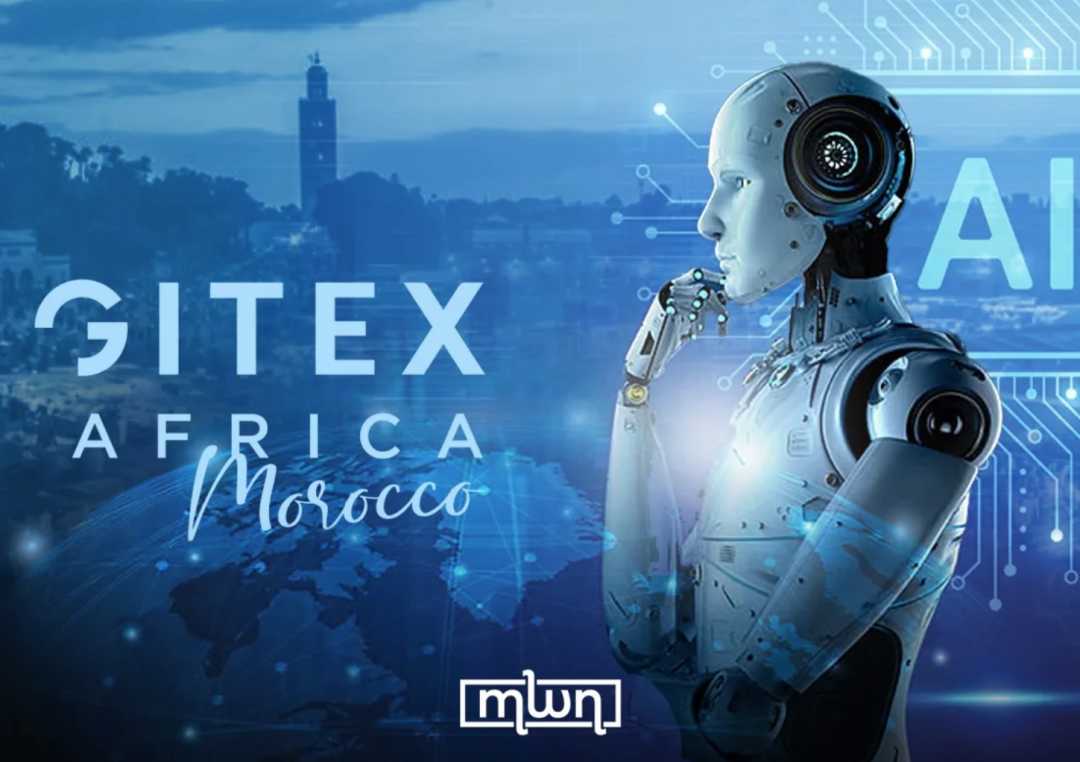
The third GITEX Africa will be held again in Marrakesh, Morocco, in 2025. This conference will focus on how cutting-edge technologies can bring new inspiration and possibilities for solving medical problems on the African continent.
The Rise of Medical Technology in Africa
In recent years, the medical technology ecosystem in Africa has been developing rapidly, attracting $550 million in investment over the past three years. Digital healthcare platforms and mobile health (mHealth) applications are transforming the way healthcare services are delivered. These tools not only provide instant symptom checks and virtual consultation services but also spread health education knowledge, bringing healthcare services to communities that have long been neglected.
The integration of AI technology has injected new vitality into the African medical field. For example, AI tools can detect tuberculosis within seconds and even identify early signs of cancer through simple image recognition. In areas where there is a shortage of medical professionals, the fast and accurate diagnostic capabilities of AI offer new hope to patients in remote regions.
At the same time, virtual healthcare (telemedicine) is breaking down geographical barriers. Through remote video consultations, patients in remote villages can connect with experts thousands of kilometers away and obtain professional opinions that were previously out of their reach.
The Future of the Internet of Things and Precision Medicine
Another technology that is changing the medical landscape in Africa is the Internet of Medical Things (IoMT). Through wearable devices with smart sensors, such as wristbands, rings, or belts, doctors can monitor the health status of patients with chronic diseases in real time and issue warnings before emergencies occur. These devices are connected to monitoring systems, enabling doctors to make informed medical decisions without the need for patients to visit the hospital.
Real-time data tracking can also predict disease outbreaks, improve healthcare services, and allocate resources to where they are most needed. Take the mTRAC project in Uganda as an example. This simple mobile reporting system has significantly enhanced the efficiency of the country's healthcare system. Such data-driven precision medicine is becoming Africa's "secret weapon" in dealing with public health crises.
Parallel Development of Technology and Talent
However, technology alone cannot completely transform healthcare in Africa. A well-equipped and highly skilled healthcare workforce is equally essential. Telemedicine training, AI workshops, and digital health training camps are providing African healthcare workers with the necessary skills to work effectively in a high-tech environment and ensuring the successful adoption of these innovations to benefit every patient.
Infrastructure and Challenges
For these technologies to truly function effectively, Africa needs to build a robust digital infrastructure. Cloud-based patient records, secure health data systems, and interoperable platforms are the cornerstones of building a connected healthcare ecosystem.
Of course, challenges still remain. Inadequate infrastructure, unequal access to the Internet, slow regulatory processes, and funding gaps are all issues that urgently need to be addressed. But the potential cannot be ignored either. Experts predict that by 2030, digital tools are expected to increase the efficiency of African healthcare by 15%, achieving the dual goals of saving lives and reducing costs.
GITEX Africa 2025: A Beacon for Africa's Technology and Healthcare Future
As the pinnacle of African technology events, GITEX Africa 2025 will bring together global technology giants, African innovators, and visionaries in the medical field. This conference will not only showcase Africa's significant progress in the field of digital healthcare but also provide attendees with inspiration and opportunities for cooperation, driving the further implementation of technological development trends in Africa.
From AI to drones, from mHealth to the Internet of Medical Things, GITEX Africa 2025 will prove to the world that Africa is not stagnant but is moving towards the future of digital healthcare at a remarkable pace.