Baie de Somme, France: A Seal Haven and Ecological Marvel on the Atlantic Coast


Travel News
Baie de Somme, France: A Seal Haven and Ecological Marvel on the Atlantic Coast

Nestled along the Atlantic coast of Picardy in northern France, the Baie de Somme stands out as a unique ecosystem and year-round sanctuary for seal populations. Comprising marshes, mudflats, and sandbars, this triangular expanse serves as a vital stopover for migratory birds and hosts one of Europe's largest colonies of harbor seals (Phoca vitulina), attracting tens of thousands of visitors annually to witness its natural splendor. Natural Heritage and Ecol


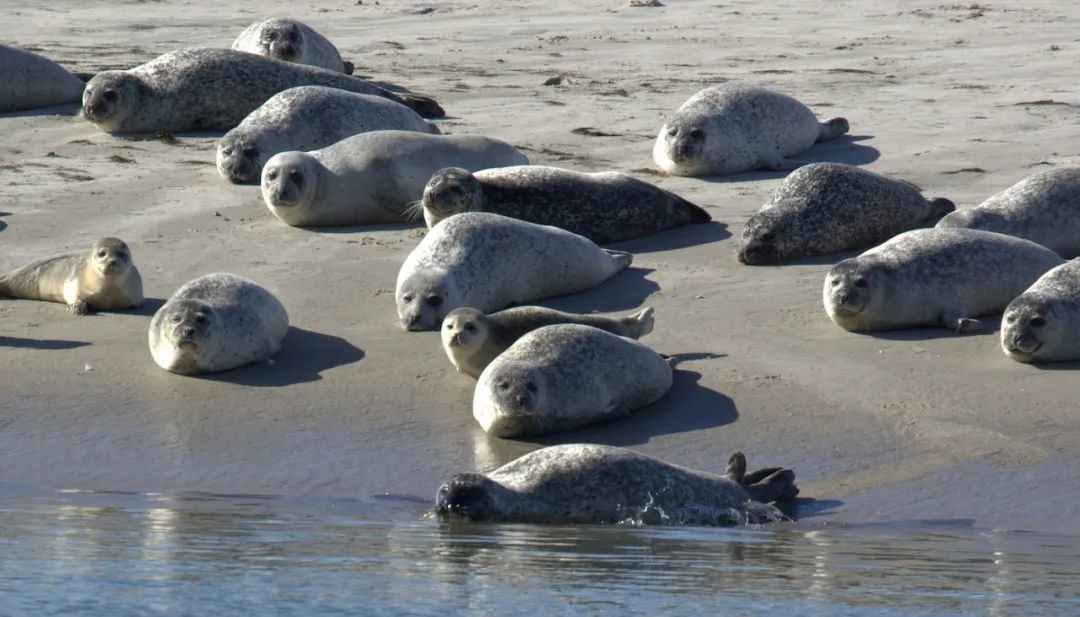
Nestled along the Atlantic coast of Picardy in northern France, the Baie de Somme stands out as a unique ecosystem and year-round sanctuary for seal populations. Comprising marshes, mudflats, and sandbars, this triangular expanse serves as a vital stopover for migratory birds and hosts one of Europe's largest colonies of harbor seals (Phoca vitulina), attracting tens of thousands of visitors annually to witness its natural splendor.

Natural Heritage and Ecological Significance

Covering approximately 70 square kilometers, the Baie de Somme has been recognized as one of the "World's Most Beautiful Bays" since 1999 and earned the "Grand Site de France" title in 2011. Formed by centuries of sediment accumulation, its tidal flats provide ideal resting grounds for seals. Local monitoring reveals a resident population of around 500 harbor seals, with numbers swelling to nearly 1,000 during the summer breeding season, alongside a smaller presence of gray seals (Halichoerus grypus).

Conservation Efforts and Public Engagement

To protect this fragile ecosystem, French authorities and NGOs have implemented strict measures. Observation points at Pointe du Hourdel and Baie d'Authie use binoculars and remote cameras to guide visitors, ensuring a safe 300-meter buffer zone. The Parc du Marquenterre, a core protected area, restricts development and conducts regular cleanups to maintain habitats for seals and birds.

Cultural Experiences and Sustainable Tourism

Beyond its ecological value, the Baie de Somme offers rich cultural heritage. Travelers can ride the historic 1887 steam train along a 27-kilometer coastal route, explore medieval architecture in Saint-Valéry-sur-Somme, or cycle through salt marshes and dunes. Summer (June–August) is peak season, when guided low-tide walks allow close encounters with sunbathing seals while educating participants on community-led conservation initiatives.

Global Recognition and Future Vision

Designated a Ramsar Site of International Importance, the Baie de Somme serves as a global model for biodiversity conservation. Sustainable tourism initiatives, including eco-certified accommodations and restaurants, generated 5,700 jobs and welcomed over 570,000 visitors in 2021. Aligned with the EU's Nature Restoration Law, the region aims to restore 20% of degraded ecosystems by 2030, solidifying its role as a benchmark for harmonious human-nature coexistence.

Latest Stories
Feline News2 minute readThe Oriental Longhair, a breed celebrated for its elegance and intelligence, traces its roots to mid-20th-century breeding programs aimed at expanding the color and pattern diversity of Siamese cats . Developed through crosses with breeds like Russian Blues and British Shorthairs, these cats gained recognition in the 1970s and were officially acknowledged by The International Cat Association (TICA) in 1979 and the Cat Fanciers' Association (CFA) in 1995 .
Feline News2 minute readThe Korat cat, originating from Thailand’s Nakhon Ratchasima province (formerly Korat), is a breed deeply rooted in history and cultural significance. Revered for centuries as a symbol of good luck and prosperity, these silver-blue felines have enchanted the world with their striking appearance and affectionate nature.
Feline News2 minute readA heartwarming tale of survival and companionship has thrust the Munchkin cat into the global spotlight, showcasing the breed’s unique charm and indomitable spirit. Mochi, an 8-month-old Munchkin rescued from a life-threatening illness, has become an international symbol of hope, embodying the resilience and playful nature that define these short-legged felines.
Travel News2 minute readPerched atop an 82-meter volcanic plug in Le Puy-en-Velay, France, the Chapelle Saint-Michel d’Aiguilhe stands as a testament to faith and engineering prowess. Built in 962 AD, this architectural marvel balances precariously on a basaltic rock formation, blending Romanesque austerity with Moorish-inspired ornamentation to create one of Europe’s most dramatic religious landmarks.
Feline News2 minute readRagamuffin cats, affectionately known as "muffins," have captured the hearts of cat lovers worldwide with their plush coats, docile personalities, and striking appearance. Originating in the United States in the 1990s, this breed emerged from a group of breeders seeking to expand the genetic diversity of Ragdoll cats. By crossing Ragdolls with Persians, Himalayans, and other long-haired breeds, they created a larger, more robust feline with a broader range of coat colors and patterns
Canine News2 minute readOriginating in the early 20th century, the American White Shepherd traces its lineage to the German Shepherd. Due to a recessive white coat gene, these dogs were long considered "flawed" in Germany and systematically culled from breeding programs12. However, North American breeders recognized their unique appeal and selectively developed them into a distinct breed, officially acknowledged by the United Kennel Club (UKC) in 199917
Canine News1 minute readAs the world's first operational vertical/short takeoff and landing (V/STOL) fighter jet, the British-developed Harrier, nicknamed the "Jump Jet," has left an indelible mark on aviation history through its groundbreaking design and combat prowess.