German Boxer: The Loyal and Energetic Companion – A Comprehensive Breed Profile


Canine News
German Boxer: The Loyal and Energetic Companion – A Comprehensive Breed Profile

The German Boxer, a breed with roots tracing back to 19th-century Germany, has captivated dog lovers worldwide with its athletic build, affectionate nature, and unwavering loyalty. Developed from the now-extinct Bullenbeisser and English Bulldogs, these medium-to-large dogs were originally bred for hunting and guarding, later gaining popularity as police and military dogs. Today, they rank among the top 20 most beloved breeds in the U.S., cherished for their role as family protectors and playful companions

Physical Characteristics and Temperament
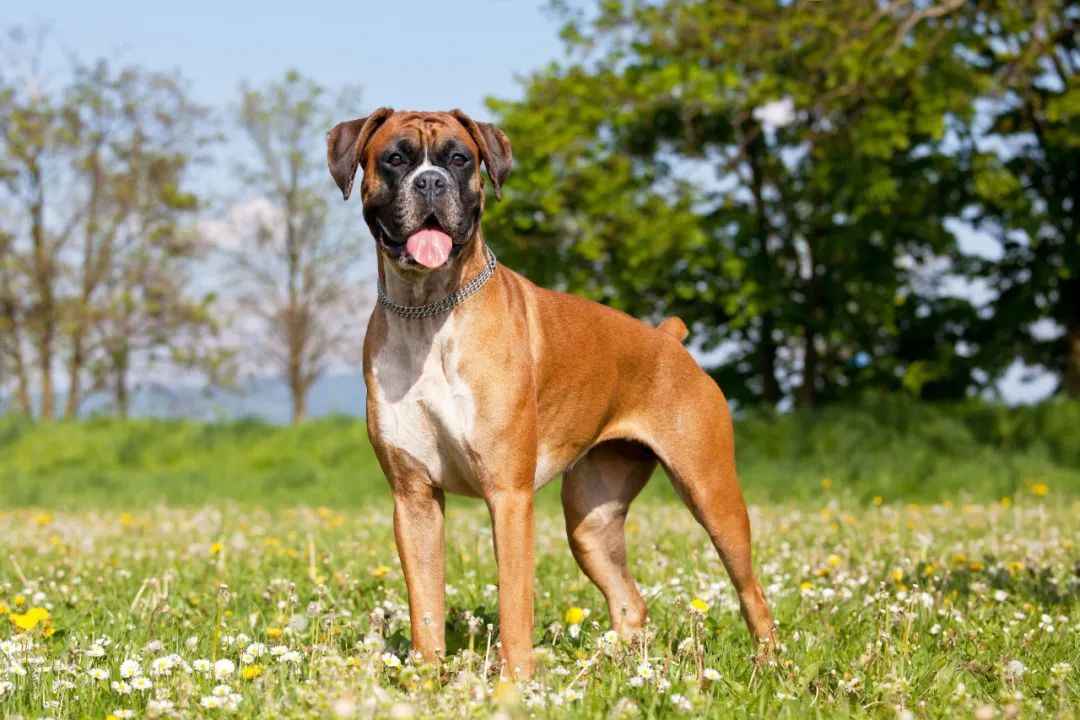
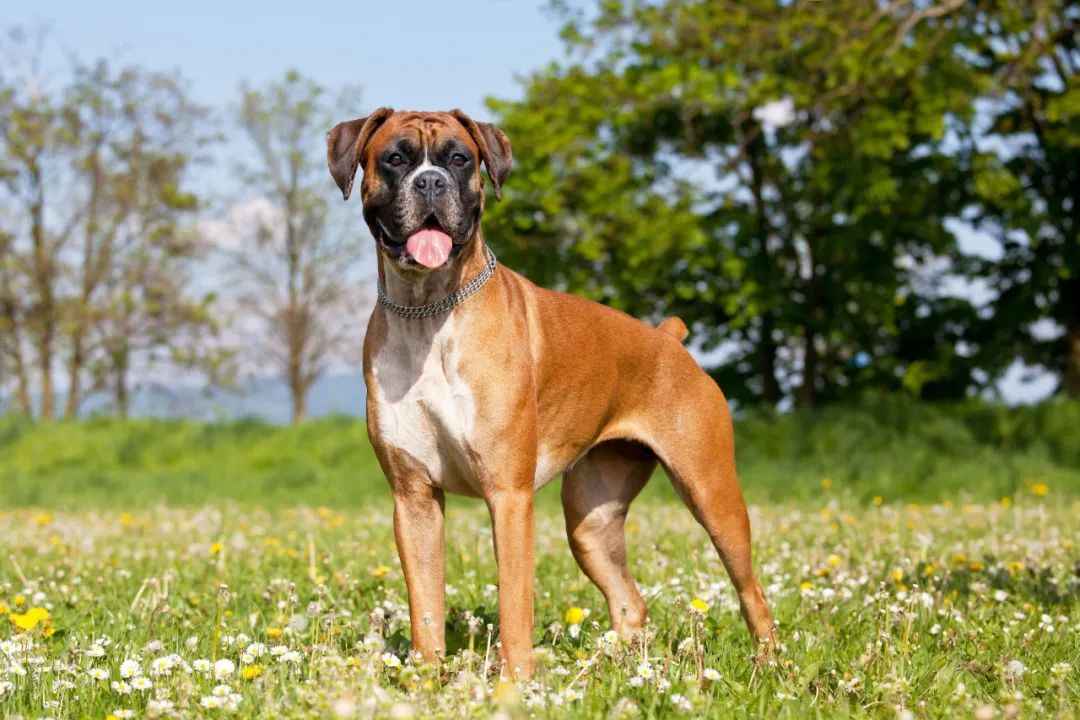
Standing 21–25 inches tall and weighing 50–80 pounds, Boxers exhibit a muscular, square-proportioned body with a short, glossy coat in fawn or brindle hues, often featuring white markings. Their distinct undershot jaw and expressive eyes convey both strength and intelligence. Known for their boundless energy, Boxers thrive on daily exercise—at least 60 minutes of vigorous activity like running or agility training—to prevent restlessness 412. Despite their robust appearance, they are inherently gentle, particularly with children, making them ideal family pets. Their protective instincts also make them excellent watchdogs 1112.


Health Considerations
Boxers face genetic predispositions to health issues, including cardiomyopathy (affecting 20% of the breed), hip dysplasia, and cancer (30% lifetime risk) 67. Regular veterinary check-ups, a balanced diet rich in omega-3 fatty acids, and weight management are critical. Heat sensitivity due to their short snouts necessitates precautions during hot weather, such as avoiding midday walks and ensuring hydration 416. Lifespan averages 10–12 years, shorter than many breeds, underscoring the importance of proactive care 34.
 

Source: Images from the Internet, if there is any infringement, please contact the removal of


Training and Care
Highly trainable and eager to please, Boxers respond well to positive reinforcement. Early socialization is essential to channel their natural exuberance and prevent territorial behavior. Grooming demands are minimal—weekly brushing and occasional baths suffice—but dental hygiene and ear cleaning require regular attention 1112. A diet tailored to their energy needs, with quality protein sources, supports muscle development and overall vitality 17.


Modern Adaptations and Global Appeal
While Boxers excel in roles like therapy and service work, their adaptability shines in urban and rural settings alike. Their playful antics and emotional intelligence make them exceptional companions for active individuals and families. Breeders adhering to AKC standards prioritize health screenings, including hip evaluations and cardiac monitoring, to ensure genetic soundness 823.


In summary, the German Boxer embodies a rare blend of strength, sensitivity, and versatility. As loyal protectors and joyful playmates, they continue to win hearts worldwide, proving that true companionship knows no bounds.
Latest Stories
Travel News1 minute readA climate specialist stated that the May just concluded ranks as the second warmest May globally since meteorological record-keeping began. Over the past month, temperatures across Europe surged sharply from below-average levels to fuel one of the continent’s most ferocious heatwaves. This year’s heatwave arrived earlier than any previously documented, shattering dozens of May temperature benchmarks, with France, the United Kingdom, Ireland and Portugal bearing the brunt of the extreme heat.
Feline News1 minute readMinuet cats, also known as Napoleon cats, are a delightful and relatively new feline breed that have been winning the hearts of cat lovers around the world with their adorable appearance and friendly personalities.
Feline News1 minute readThe Balinese cat, also known as the Bali cat or Java cat, is a charming medium - sized long - haired cat. It originated in the United States and is a long - haired mutant of the Siamese cat. It is named the Balinese cat because its movements are 酷似 those of the native Balinese dancers.
Feline News2 minute readThe Exotic Shorthair, often dubbed the "lazy man’s Persian," has solidified its status as one of the most beloved cat breeds globally, blending the elegance of Persians with the low-maintenance charm of American Shorthairs. Developed in the 1960s by American breeders aiming to create a short-haired Persian variant, this breed has since captivated cat lovers with its round face, plush coat, and laid-back demeanor 28.
Travel News2 minute readNestled along the cliffs of the French Riviera (Côte d'Azur), the Trois Corniches de Nice—three coastal roads ascending from sea level to mountain heights—offer some of Europe’s most dramatic views. Stretching eastward from Nice, the Lower Corniche (Corniche Inférieure), Middle Corniche (Moyenne Corniche), and Upper Corniche (Grande Corniche) each provide a unique perspective of the Mediterranean, making them a pilgrimage for road-trippers and photographers alike.
Travel News2 minute readThe soul of Colmar lies in its half-timbered houses, dating back to the 16th century. These whimsical structures feature exposed wooden frames in geometric patterns, their facades painted in vibrant hues like buttercup yellow and sky blue. Flower-boxed windows and playful figurines adorn the facades, while their reflections dance on the Lauch River, creating the iconic Petite Venise (Little Venice) district. Here, fishermen pilot flower-decked boats, and riverside bistros serve Alsatian specialties like choucroute garnie, evoking scenes from Hayao Miyazaki’s Howl’s Moving Castle.
Feline News2 minute readThe Oriental Longhair, a breed celebrated for its elegance and intelligence, traces its roots to mid-20th-century breeding programs aimed at expanding the color and pattern diversity of Siamese cats . Developed through crosses with breeds like Russian Blues and British Shorthairs, these cats gained recognition in the 1970s and were officially acknowledged by The International Cat Association (TICA) in 1979 and the Cat Fanciers' Association (CFA) in 1995 .