Hachiko's Legacy: The Global Phenomenon of Japan's Akita Dog


Canine News
Hachiko's Legacy: The Global Phenomenon of Japan's Akita Dog

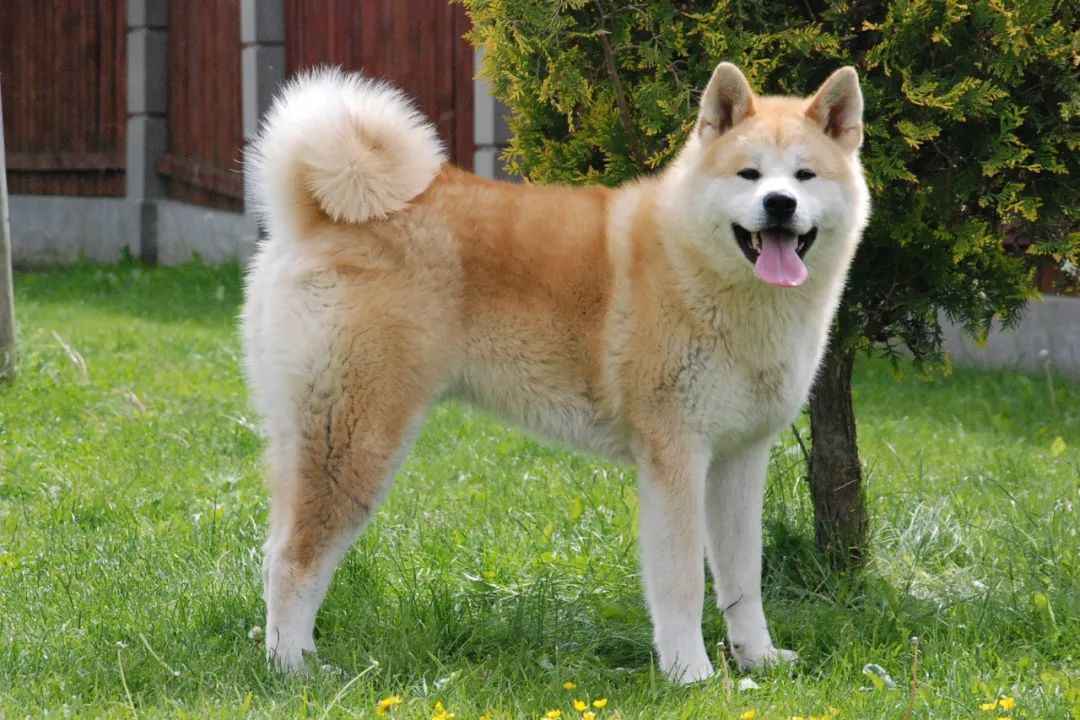
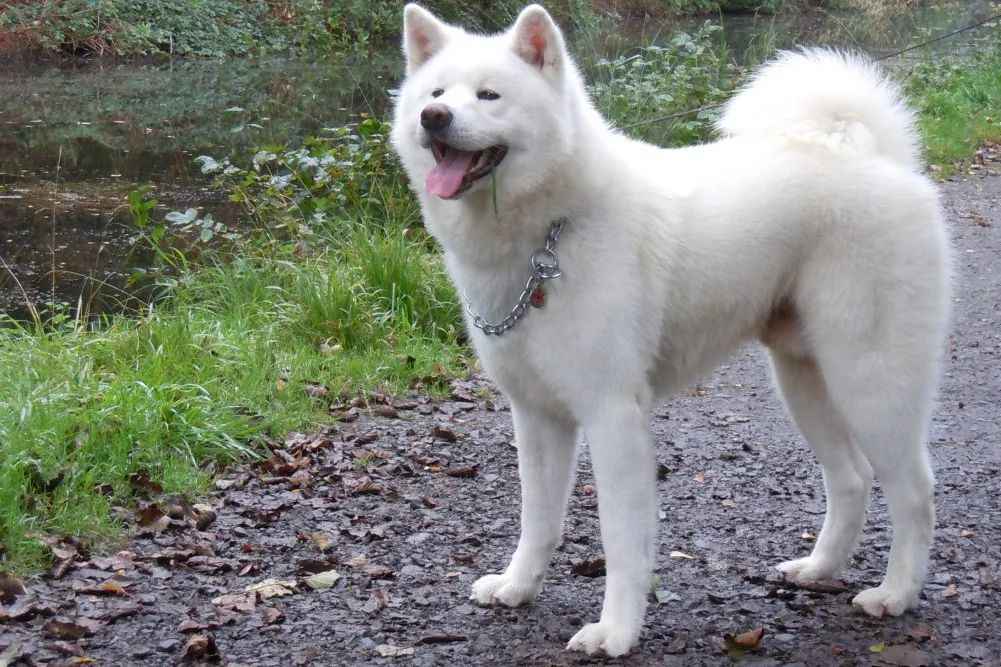
As Japan's "National Natural Monument," the Akita dog has transcended borders with its iconic loyalty and dignity, becoming a cultural symbol cherished worldwide. Originating from Akita Prefecture in Japan, this ancient breed traces back to the 17th century, initially bred for bear hunting and dogfighting before evolving into a gentle yet courageous companion35.

Historical Struggles and Cultural Significance
During World War II, Akitas nearly faced extinction due to military culling, leaving fewer than 20 dogs by war's end. Despite recovery efforts by the Akita Inu Hozonkai (Akita Dog Preservation Society), domestic registrations plummeted to 1,832 in 2023, less than 5% of the 1972 peak29. Conversely, global popularity surged after the 2009 film Hachi: A Dog's Tale, with overseas registrations hitting 3,922 in 2016—surpassing Japan for the first time1. The real-life story of Hachiko, who waited daily at Shibuya Station for his deceased owner, has become a universal symbol of loyalty, immortalized in a statue that remains a Tokyo landmark6.
 

Source: Images from the Internet, if there is any infringement, please contact the removal of


Breed Traits and Health Challenges
Standing 60-70 cm tall and weighing 30-50 kg, Akitas feature a dense double coat (harsh outer layer, soft undercoat) and a signature curled tail510. While fiercely loyal to family, they are reserved with strangers and require early socialization to prevent aggression4. Health risks include hip dysplasia, progressive retinal atrophy, and uveodermatologic syndrome, which can cause blindness. Notably, British Akita Sumi continues working as a therapy dog despite losing her sight, showcasing the breed's resilience19.


Market Trends and Care Guidelines
Purebred Akita puppies command significant prices: pet-grade specimens range from ¥150,000-¥250,000 (~$1,000-1,700), while show-quality dogs exceed ¥800,000 (~$5,500), with red-coated variants fetching a 15-20% premium1820. China's market is plagued by counterfeit 血统证书,with only 17% of traded dogs meeting purebred standards18. Owners must provide 2+ hours of daily exercise, frequent grooming during shedding seasons, and strict heat protection in summer22. The Akita Inu Hozonkai combats fraud through rigorous certification and 10 overseas branches in China15.

 

Source: Images from the Internet, if there is any infringement, please contact the removal of


Global Fame and Celebrity Endorsements
Akitas' international appeal extends beyond media—U.S. President George W. Bush's Akita "Amy" accompanied him on outdoor adventures, while Russian President Vladimir Putin's "Yumé" became a diplomatic icon after being gifted by Japan1617. This blend of historical gravitas and modern companionship ensures the Akita's enduring legacy as a bridge between cultures, embodying loyalty that knows no bounds.

Latest Stories
Travel News2 minute readNestled in the French Pre-Alps, the Plateau du Vercors stands as a testament to nature’s raw power and humanity’s indomitable spirit. Rising abruptly from the valleys of Isère, this limestone plateau—dominated by peaks like Grand Veymont (2,346 meters)—features sheer cliffs and labyrinthine gorges that earned it the nickname "the Natural Great Wall". Its dramatic landscapes, shaped over millennia by erosion, have not only sculpted a geological marvel but also forged a theater of historical significance.
Cultural News1 minute readSpain’s tomato-throwing "La Tomatina" is wildly popular, but for those who prefer hurling something tangier, head to Italy in February. At the Ivrea Carnival, thousands of ripe oranges are pelted in a juicy battle during the festival’s highlight.
Cultural News1 minute readIn Wuppertal, Germany, there’s a pedestrian bridge that looks like it’s built from giant Lego bricks. Though it’s actually a concrete structure, artists have painted it to mimic the iconic toy blocks, creating a playful optical illusion.
Feline News2 minute readThe European Burmese cat, a breed born from careful crossbreeding in mid-20th century Europe, has captivated cat enthusiasts with its elegant physique and affectionate nature. Originating from the American Burmese stock imported to the UK, European breeders sought to diversify the gene pool by introducing Siamese and British Shorthair bloodlines, resulting in a distinct feline with refined features. Recognized by major associations like the CFA since 2002, this breed stands out for its sleek, muscular build and striking golden or amber almond-shaped eyes, which contrast sharply with the rounde
Feline News2 minute readIn recent years, the Scottish Fold cat has become an internet sensation, celebrated for its distinctive folded ears and owl-like appearance. However, behind the adorable facade lies a dark reality rooted in genetic abnormality and ethical debate. This breed, born from a spontaneous mutation in a Scottish barn cat named Susie in 1961, has sparked global controversy over its health implications and breeding practices.
Feline News1 minute readOriginating from a spontaneous genetic mutation in 1950, the Cornish Rex emerged in Cornwall, England, when a cream-colored kitten named Kallibunker was born with a dense, wavy coat resembling a lamb’s fleece1. Recognizing its uniqueness, owner Nina Ennismore collaborated with geneticists to establish the breed. Due to the recessive nature of the mutation, breeding two Cornish Rex cats guarantees curly-coated offspring13.
Health News1 minute readOn June 30, FBI Deputy Director Dan Bongino announced the dismantling of the largest healthcare fraud case in U.S. history, with revised to $14.6 billion. The investigation covered all 50 federal districts, indicting 324 individuals—including 96 medical practitioners—and seizing $245 million in assets.