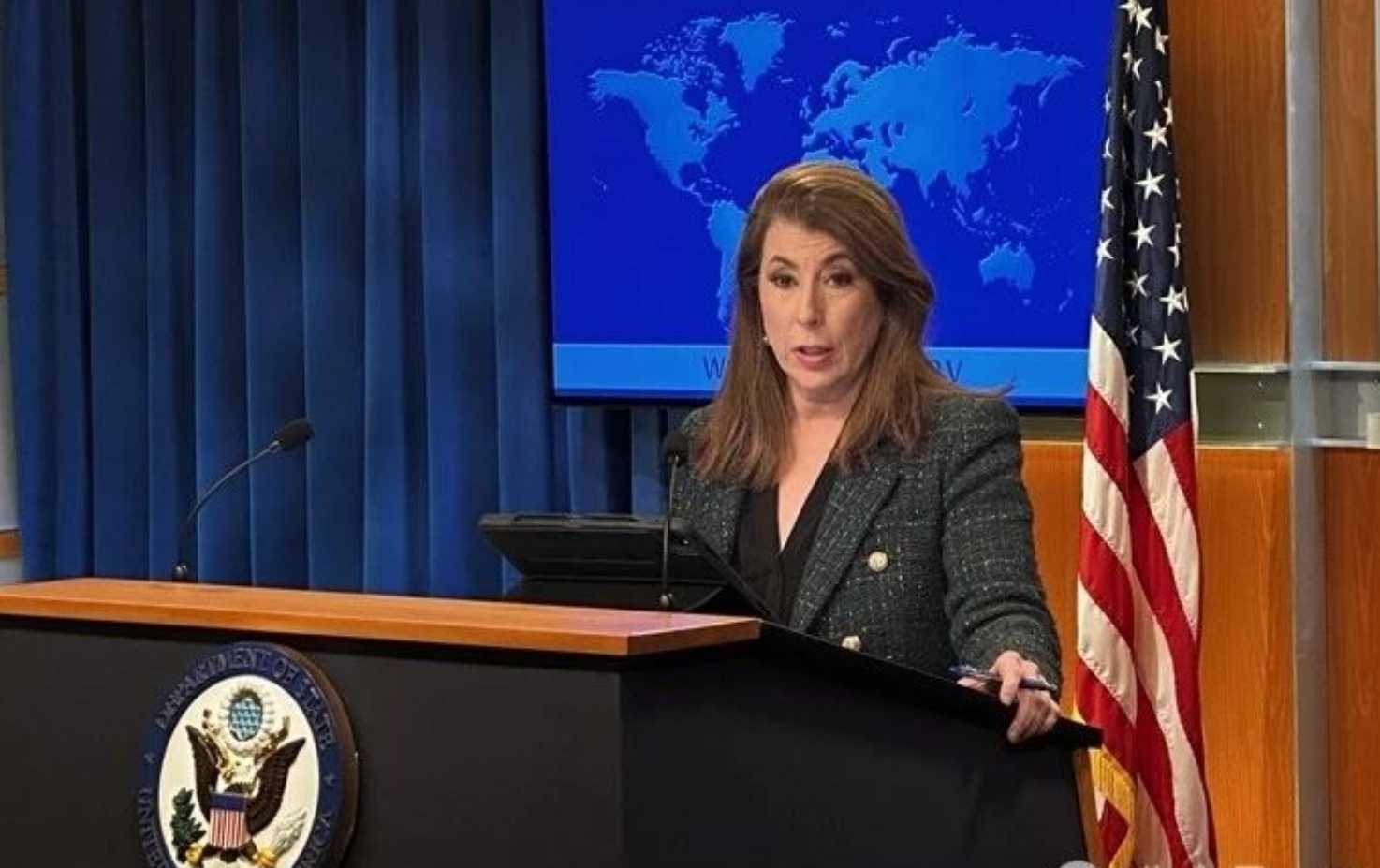
Abdullah Emre Güner, the Director of the Istanbul Provincial Health Directorate, has announced that as of now, 81,185 people in Istanbul have received free cancer screenings in 2025. Güner explained that cancer is a disease that can be cured if diagnosed at an early stage. He emphasized that cancer is not only a medical issue but also a matter of public awareness. He pointed out that lack of information, fear, and neglect may lead to delayed diagnosis, while early detection can save lives for many types of cancer.
Güner stressed the importance of the cancer screening program in Istanbul: "In 2024, a total of 288,004 people underwent cancer screenings. Among them, 21,483 were identified as being at high risk. As of 2025, the screening work is still in full swing, and 81,185 people have already been screened."
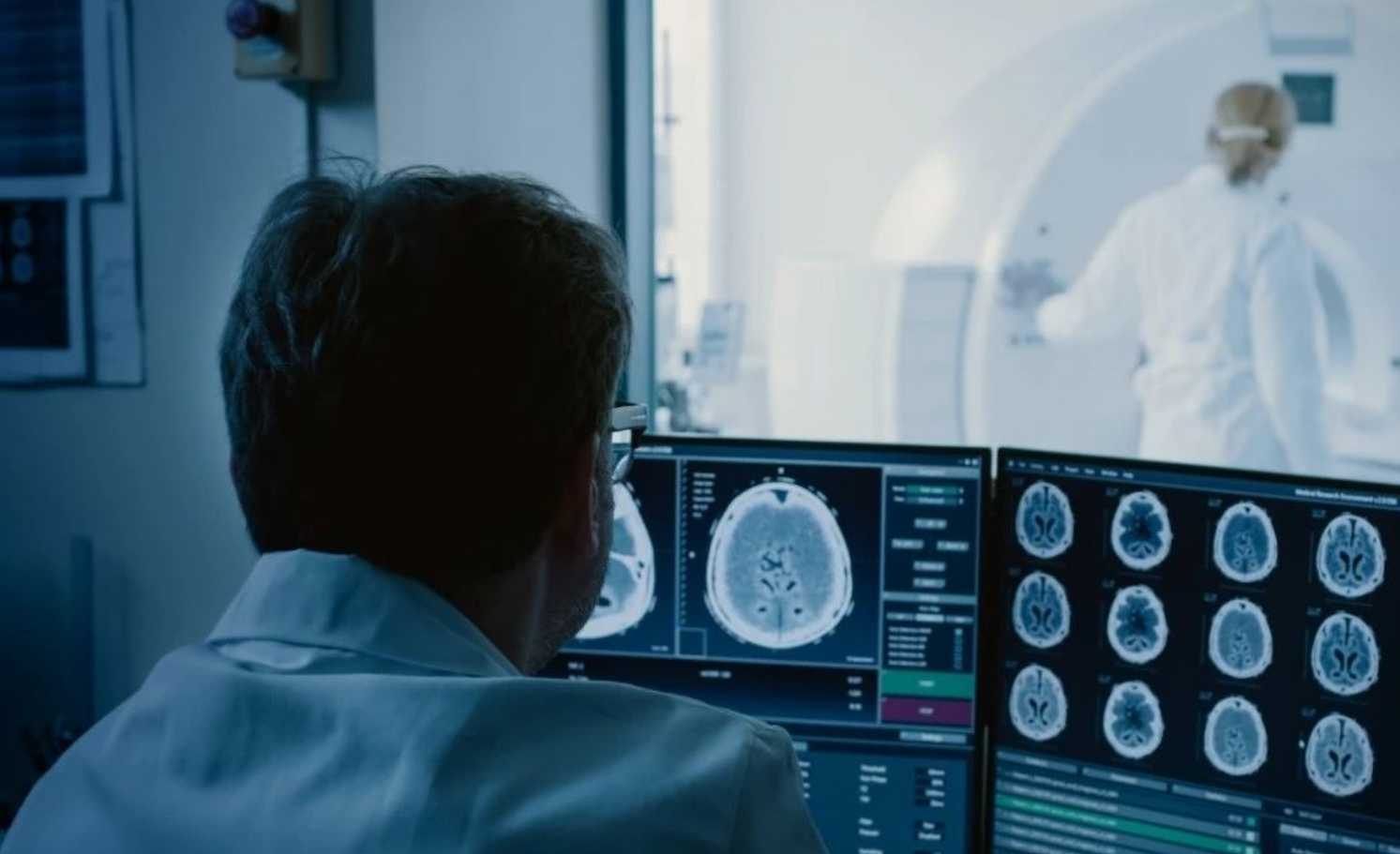
Güner noted that the Early Diagnosis, Screening, and Training Center for Cancer (KETEM), Healthy Living Centers (SHM), Family Health Centers (ASM), and the District Health Directorates in Istanbul provide free screenings for three types of cancer. Women aged 40 to 69 undergo breast cancer screenings every two years using mammography. Women aged 30 to 65 receive cervical cancer screenings every five years through HPV-DNA testing. Men and women aged 50 to 70 have colorectal cancer screenings every two years using the fecal occult blood test.
Güner said that cancer screenings not only help diagnose the disease but also accelerate the treatment process. He shared that among the 21,483 high-risk individuals screened last year, 15,310 were referred for further diagnosis and treatment. "A total of 10,656 people were examined at the diagnostic centers after the screening, and 6,624 of them were diagnosed with precancerous lesions, cancer, or other non-cancerous diseases."
Source: Images from the Internet, if there is any infringement, please contact the removal of
Güner pointed out that these data highlight the importance of early diagnosis. He also added that patients with positive or suspicious screening results are referred to secondary and tertiary medical institutions for further testing and treatment.
Güner emphasized that healthcare in Turkey not only focuses on treating diseases but also on prevention. He stated, "Under the leadership of President Recep Tayyip Erdoğan, the 'Protection, Promotion, and Productive Health Model' aims to not only support individuals when they are ill but also help them maintain a healthy life. Under the vision of the 'Century of Healthy Turkey', we will continue to strengthen preventive medical services and combat preventable diseases through early detection."
Güner stressed that more people need to participate in the screenings. He said that their goal is to improve public health literacy and help people make informed health decisions. He said, "Cancer screenings are free and should not be ignored. I invite all citizens to get screened."
Source: Images from the Internet, if there is any infringement, please contact the removal of
Güner emphasized the importance of early diagnosis and concluded that only through protection can health be maintained, and they will continue to work together to build a healthier society.