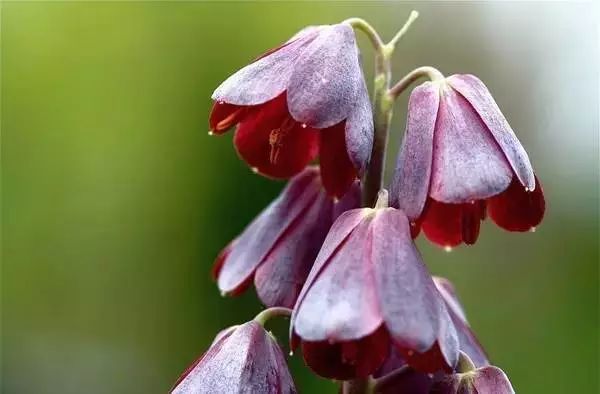
Persian Lily: A Mesmerizing Gem in the World of Bulbous Plants


Plant Information
Persian Lily: A Mesmerizing Gem in the World of Bulbous Plants

In the realm of bulbous plants, the Persian Lily, scientifically known as Fritillaria persica, stands out as a captivating and exotic species. Native to regions such as southern Turkey, Iran, Iraq, Lebanon, Syria, Cyprus, and Israel, this plant has found its way into gardens around the world, enchanting enthusiasts with its unique appearance.

The Persian Lily is a robust bulbous perennial. It typically reaches a height of 30 to 60 centimeters (12 - 24 inches), though some varieties can grow even taller. The plant features long, lanceolate, gray - green leaves that add an elegant backdrop to its most striking feature: the flower spikes. Each spike can bear up to 30 pendulous, narrow, bell - shaped flowers. These flowers range in color from deep, rich plum purple that appears almost black in certain lights to more muted green - brown tones. The unique coloration and the way the flowers dangle gracefully from the stem give the plant a distinct and alluring charm.


One of the most popular varieties is 'Adiyaman'. This particular cultivar has gained international acclaim and has even received the prestigious Royal Horticultural Society's Award of Garden Merit. 'Adiyaman' is characterized by its taller stature compared to many other Persian Lily varieties and its profusion of flower spikes, making it a showstopper in any garden setting. Another notable variety is 'Ivory Bells', which offers a different aesthetic with its greenish - white flowers that gradually turn into a creamy ivory as they mature.


In terms of cultivation, Persian Lilies thrive in full sun to partial shade. They prefer well - drained, organically rich soil. When planting the bulbs in the fall, it's recommended to place them about 8 inches deep in the soil and space them around 8 inches apart. These plants are relatively low - maintenance once established, though they do require regular watering during their growing season, which is typically in the spring. However, care should be taken not to over - water, as they are susceptible to rot, especially in winter when the soil should be kept on the drier side.


The Persian Lily not only adds a touch of elegance and mystery to gardens but also serves as an important part of the ecosystem, attracting pollinators such as bees and butterflies. As more gardeners become aware of this unique plant, its popularity continues to grow, both in formal gardens and in more naturalistic, cottage - style settings. Whether planted in groups for a dramatic display or used as a focal point, the Persian Lily is sure to be a conversation starter and a source of beauty in any outdoor space.

Latest Stories
Feline News2 minute readThe Oriental Longhair, a breed celebrated for its elegance and intelligence, traces its roots to mid-20th-century breeding programs aimed at expanding the color and pattern diversity of Siamese cats . Developed through crosses with breeds like Russian Blues and British Shorthairs, these cats gained recognition in the 1970s and were officially acknowledged by The International Cat Association (TICA) in 1979 and the Cat Fanciers' Association (CFA) in 1995 .
Feline News2 minute readThe Korat cat, originating from Thailand’s Nakhon Ratchasima province (formerly Korat), is a breed deeply rooted in history and cultural significance. Revered for centuries as a symbol of good luck and prosperity, these silver-blue felines have enchanted the world with their striking appearance and affectionate nature.
Feline News2 minute readA heartwarming tale of survival and companionship has thrust the Munchkin cat into the global spotlight, showcasing the breed’s unique charm and indomitable spirit. Mochi, an 8-month-old Munchkin rescued from a life-threatening illness, has become an international symbol of hope, embodying the resilience and playful nature that define these short-legged felines.
Travel News2 minute readPerched atop an 82-meter volcanic plug in Le Puy-en-Velay, France, the Chapelle Saint-Michel d’Aiguilhe stands as a testament to faith and engineering prowess. Built in 962 AD, this architectural marvel balances precariously on a basaltic rock formation, blending Romanesque austerity with Moorish-inspired ornamentation to create one of Europe’s most dramatic religious landmarks.
Feline News2 minute readRagamuffin cats, affectionately known as "muffins," have captured the hearts of cat lovers worldwide with their plush coats, docile personalities, and striking appearance. Originating in the United States in the 1990s, this breed emerged from a group of breeders seeking to expand the genetic diversity of Ragdoll cats. By crossing Ragdolls with Persians, Himalayans, and other long-haired breeds, they created a larger, more robust feline with a broader range of coat colors and patterns
Canine News2 minute readOriginating in the early 20th century, the American White Shepherd traces its lineage to the German Shepherd. Due to a recessive white coat gene, these dogs were long considered "flawed" in Germany and systematically culled from breeding programs12. However, North American breeders recognized their unique appeal and selectively developed them into a distinct breed, officially acknowledged by the United Kennel Club (UKC) in 199917
Canine News1 minute readAs the world's first operational vertical/short takeoff and landing (V/STOL) fighter jet, the British-developed Harrier, nicknamed the "Jump Jet," has left an indelible mark on aviation history through its groundbreaking design and combat prowess.