The Pixiebob, a breed born from myth and meticulous breeding, has captivated cat lovers worldwide with its striking bobcat-like appearance and affectionate demeanor. Originating in the Pacific Northwest of the United States in 1985, the breed traces its roots to Carol Ann Brewer’s discovery of a polydactyl (extra-toed), short-tailed kitten with spotted fur. Brewer believed this kitten was the result of a bobcat-domestic cat union, though DNA tests later debunked the wild lineage claim . Undeterred, Brewer dedicated decades to refining the breed, which was officially recognized by The Internati
Aesthetic Allure and Physical Traits
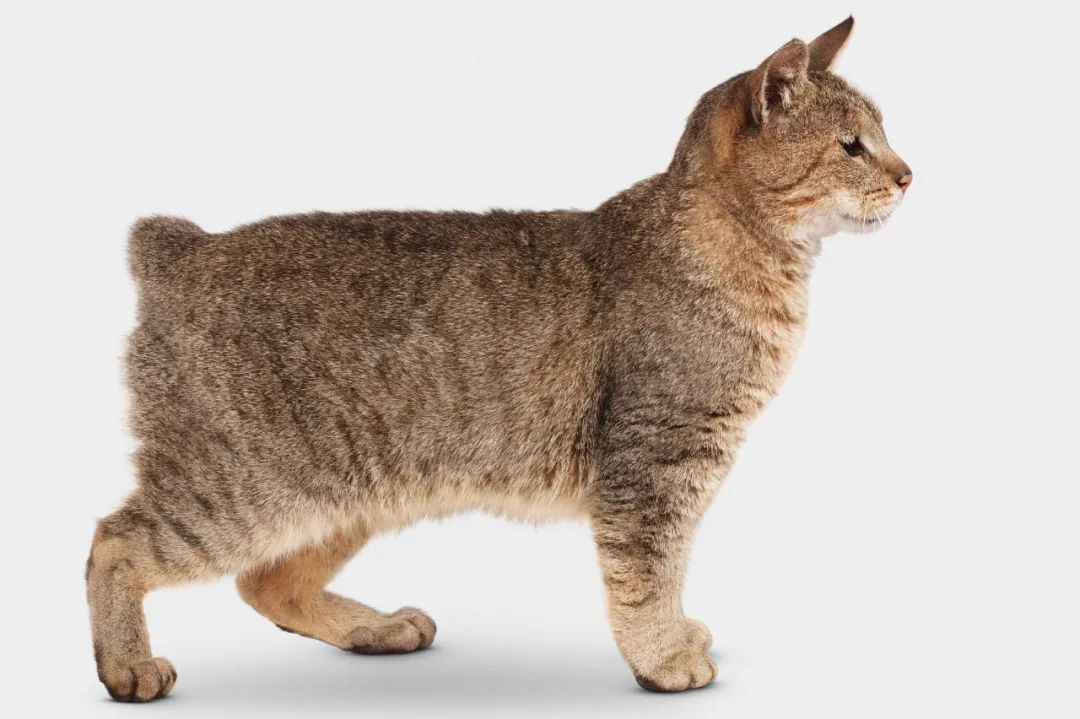
Pixiebobs are medium to large cats, with males weighing 12–17 pounds and females 8–12 pounds, boasting muscular builds and broad chests . Their most iconic feature is the bobbed tail, ranging from 1 to 6 inches, which earned them the “Pixie” suffix (a nod to their mythical origins) and “Bob” for their bobcat resemblance . Many also exhibit polydactylism, adding a unique charm to their paws. The dense, woolly double coat comes in earthy tones like reddish-brown and gray, often adorned with spotted tabby patterns that mimic their wild namesake . Almond-shaped golden or green eyes, tufted ears, and prominent brow ridges complete their rugged yet regal look.
Temperament and Social Dynamics
Despite their fierce appearance, Pixiebobs are renowned for their dog-like loyalty and sociability. They thrive on human interaction, often following owners like shadows and even learning leash training for outdoor adventures . Their playful nature makes them ideal companions for children and other pets, though supervision is advised with smaller animals due to their hunting instincts . Vocalizations are soft chirps and trills rather than loud meows, ensuring a peaceful household .
Health and Care
With a lifespan of 13–15 years, Pixiebobs are generally robust but require proactive care. Obesity is a risk, so portion-controlled diets rich in animal protein are essential . Daily play sessions and interactive toys help channel their high energy, preventing boredom-related behavior . Grooming needs vary by coat length: short-haired Pixiebobs benefit from weekly brushing, while longer coats require 2–3 sessions weekly to prevent matting . Dental hygiene and regular nail trims (especially for polydactyl paws) round out their care routine .
Cultural Impact and Recognition
The Pixiebob’s unique blend of wild aesthetics and domestic charm has solidified its place in feline culture. While not recognized by the Cat Fanciers’ Association (CFA) due to its hybrid origin myths, it holds esteemed status in TICA and the Canadian Cat Association (CCA) . Breeders today prioritize health and temperament, ensuring each Pixiebob embodies the perfect balance of rugged allure and gentle companionship.
For families seeking a cat that’s equal parts adventure buddy and lap warmer, the Pixiebob delivers. This “legend cat” may not have bobcat blood, but its captivating personality and striking looks make it a true icon of American feline heritage.