Redbone Coonhound: The Southern U.S. Bloodline Hunter and Modern Family Guardian


Canine News
Redbone Coonhound: The Southern U.S. Bloodline Hunter and Modern Family Guardian

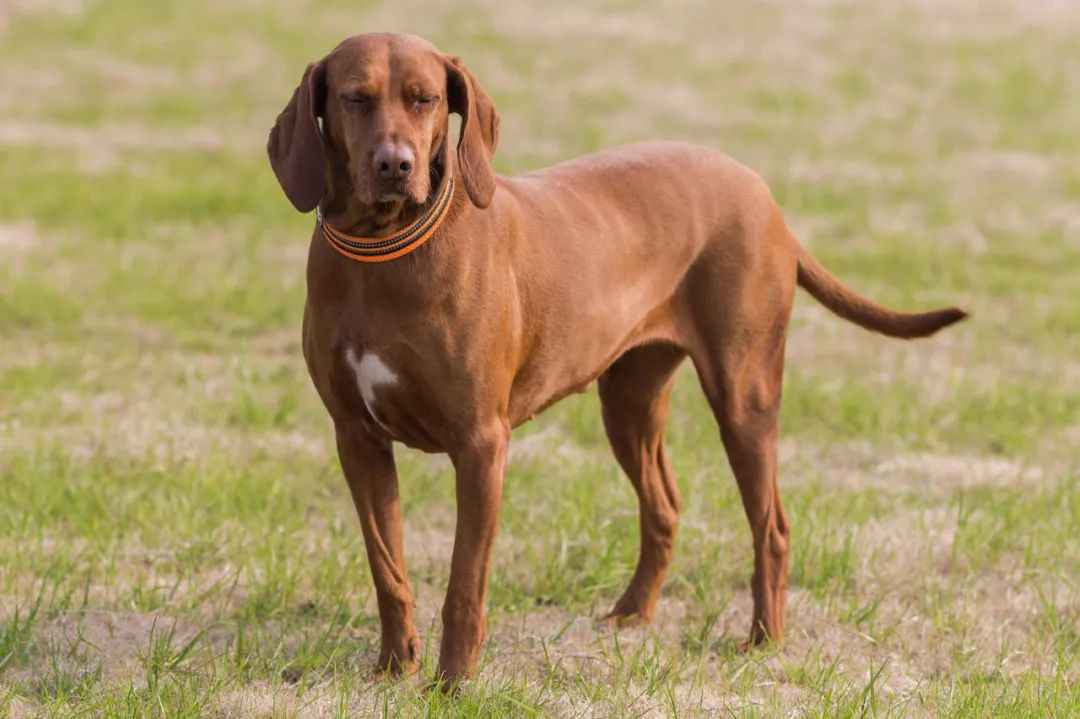
The Redbone Coonhound emerged in 19th-century Southern U.S., tracing back to Georgia plantation owner L.F.W. Birdsong’s breeding program. Aiming to create a dog that matched red foxes’ agility, he crossbred Bloodhounds with Irish Foxhounds to craft a breed combining speed and scenting prowess. Recognized by the United Kennel Club (UKC) in 1902 and later admitted to the American Kennel Club (AKC) in 2010, its name likely stems from early breeder Peter Redbone or its distinctive mahogany coat. Notably, the breed maintains steady popularity in 2025, particularly among outdoor enthusiasts.

Appearance and Temperament

Famed for its single-layer mahogany short coat, the Redbone Coonhound boasts a muscular build, standing 53–69 cm at the shoulder and weighing 20–32 kg. Its deep, expressive eyes mirror a temperament that balances hunting tenacity with family-friendly warmth. Loyal and adaptable, it thrives in both pursuit of prey and as a gentle companion, especially with children. However, its high energy and independent nature demand 2–3 hours of daily exercise, paired with short, engaging training sessions to sustain focus. The breed has also gained traction in search-and-rescue work, leveraging its scenting ability and stamina in avalanche, land, and water operations.

Hunting Instincts and Modern Roles

As a specialized raccoon hunter, the Redbone Coonhound is renowned for its "Cold Nose" ability to track days-old scents, pinpointing prey and alerting hunters with its unique baying. Its prowess extends to larger game like bears and mountain lions. In recent years, it has shone in international dog shows, with UKC champions such as Sidearm Elly Mae Clampett and Coffindaffer’s Crockett solidifying its status as a top-tier hound. Celebrities like actor Burt Reynolds and country singer Blake Shelton have also chosen Redbones as hunting partners, highlighting their cultural cachet.

Health and Care

While generally robust, Redbone Coonhounds require monitoring for genetic issues like hip dysplasia and progressive retinal atrophy. Routine care includes weekly brushing, regular ear and dental cleanings to prevent infections, and a diet tailored to maintain muscle mass—high-protein puppy food for young dogs and balanced nutrition for adults. Due to their distinct "hound odor," monthly baths and proper ventilation are recommended. 2025 health studies emphasize genetic screening to mitigate hereditary risks.

Cultural Symbolism and Family Value

Immortalized in the novel Where the Red Fern Grows through characters "Little Ann" and "Old Dan," the Redbone Coonhound embodies loyalty and courage. Today, it serves not only as a hunter’s ally but also as an ideal partner for active families. With a lifespan of 12–15 years and strong adaptability, it continues to gain global attention. Whether on Mississippi River hunts or in urban living rooms, the Redbone Coonhound seamlessly blends its legacy as a "hound of the South" with its role as a devoted family guardian.
Latest Stories
Travel News2 minute readNestled in the French Pre-Alps, the Plateau du Vercors stands as a testament to nature’s raw power and humanity’s indomitable spirit. Rising abruptly from the valleys of Isère, this limestone plateau—dominated by peaks like Grand Veymont (2,346 meters)—features sheer cliffs and labyrinthine gorges that earned it the nickname "the Natural Great Wall". Its dramatic landscapes, shaped over millennia by erosion, have not only sculpted a geological marvel but also forged a theater of historical significance.
Cultural News1 minute readSpain’s tomato-throwing "La Tomatina" is wildly popular, but for those who prefer hurling something tangier, head to Italy in February. At the Ivrea Carnival, thousands of ripe oranges are pelted in a juicy battle during the festival’s highlight.
Cultural News1 minute readIn Wuppertal, Germany, there’s a pedestrian bridge that looks like it’s built from giant Lego bricks. Though it’s actually a concrete structure, artists have painted it to mimic the iconic toy blocks, creating a playful optical illusion.
Feline News2 minute readThe European Burmese cat, a breed born from careful crossbreeding in mid-20th century Europe, has captivated cat enthusiasts with its elegant physique and affectionate nature. Originating from the American Burmese stock imported to the UK, European breeders sought to diversify the gene pool by introducing Siamese and British Shorthair bloodlines, resulting in a distinct feline with refined features. Recognized by major associations like the CFA since 2002, this breed stands out for its sleek, muscular build and striking golden or amber almond-shaped eyes, which contrast sharply with the rounde
Feline News2 minute readIn recent years, the Scottish Fold cat has become an internet sensation, celebrated for its distinctive folded ears and owl-like appearance. However, behind the adorable facade lies a dark reality rooted in genetic abnormality and ethical debate. This breed, born from a spontaneous mutation in a Scottish barn cat named Susie in 1961, has sparked global controversy over its health implications and breeding practices.
Feline News1 minute readOriginating from a spontaneous genetic mutation in 1950, the Cornish Rex emerged in Cornwall, England, when a cream-colored kitten named Kallibunker was born with a dense, wavy coat resembling a lamb’s fleece1. Recognizing its uniqueness, owner Nina Ennismore collaborated with geneticists to establish the breed. Due to the recessive nature of the mutation, breeding two Cornish Rex cats guarantees curly-coated offspring13.
Health News1 minute readOn June 30, FBI Deputy Director Dan Bongino announced the dismantling of the largest healthcare fraud case in U.S. history, with revised to $14.6 billion. The investigation covered all 50 federal districts, indicting 324 individuals—including 96 medical practitioners—and seizing $245 million in assets.