Russia, a vast and mysterious country, has a unique charm with its colorful culture, food and customs. In this article, we will have an in-depth understanding of Russia, aiming to help international students better integrate into the Russian culture and enhance the ability of cross-cultural communication.
Russian Culture and Customs
Every country and nation in the world has its own characteristics and customs, in which the hobbies, culture and history of its people are embedded. Therefore, understanding and respecting the customs and manners of other countries is of great significance to respecting the hosts, making friends, winning friendships and consolidating friendly relations between different countries. Russia is a unique nation, different from any other country in the world. Russian culture is unique and has been described as a culture of poetry and swords. In the thousand years of its history, from ancient Russia to modern Russia, Russia has created a rich and colorful culture. There are many traditional habits, customs and rituals in the life of the Russian people, which are an inseparable part of their national culture.
Folk Culture
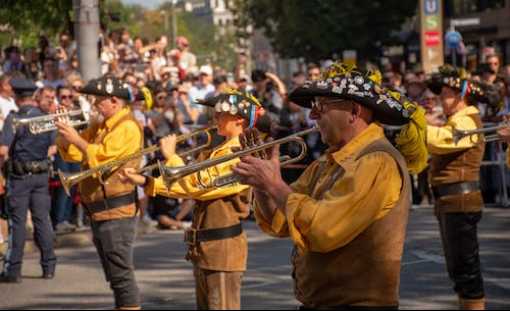
Russia is a country rich in traditional folk culture. In Russia, people focus on family and community ties and strengthen them through various celebrations and rituals. Among the most important folk festivals are Easter and Christmas of the Russian Orthodox Church. These festivals are characterized by religious ceremonies and family gatherings, where people pass on ancient traditions and pay sacred homage.
There are also many other traditional folk cultures in Russia, such as the “Birthday Feast” and the “Festival of the God of Wine”, among which the most famous are the Russian folk dances and songs, such as the “Karacha” dance and the “Babiya” song. Among them, the most famous are Russian folk dances and songs, such as the “Karacha” dance and the “Babia-Yagra” song, both of which are traditional Russian art forms.
In addition, there are some special customs and rituals in Russian traditional folk culture. For example, at weddings, the bride wears a traditional wedding dress and a headscarf to signify purity and fidelity in marriage. Apart from weddings, winter festivals in Russia are also one of the important events for people. During these events, people engage in various outdoor activities such as skiing competitions and ice hockey games to experience the fun of playing on snow and ice.
Source: Images from the Internet, if there is any infringement, please contact the removal of
Religious Culture
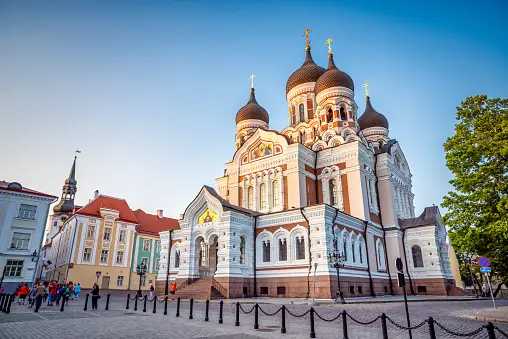
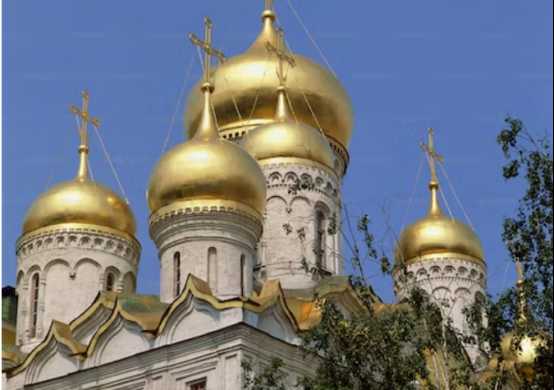
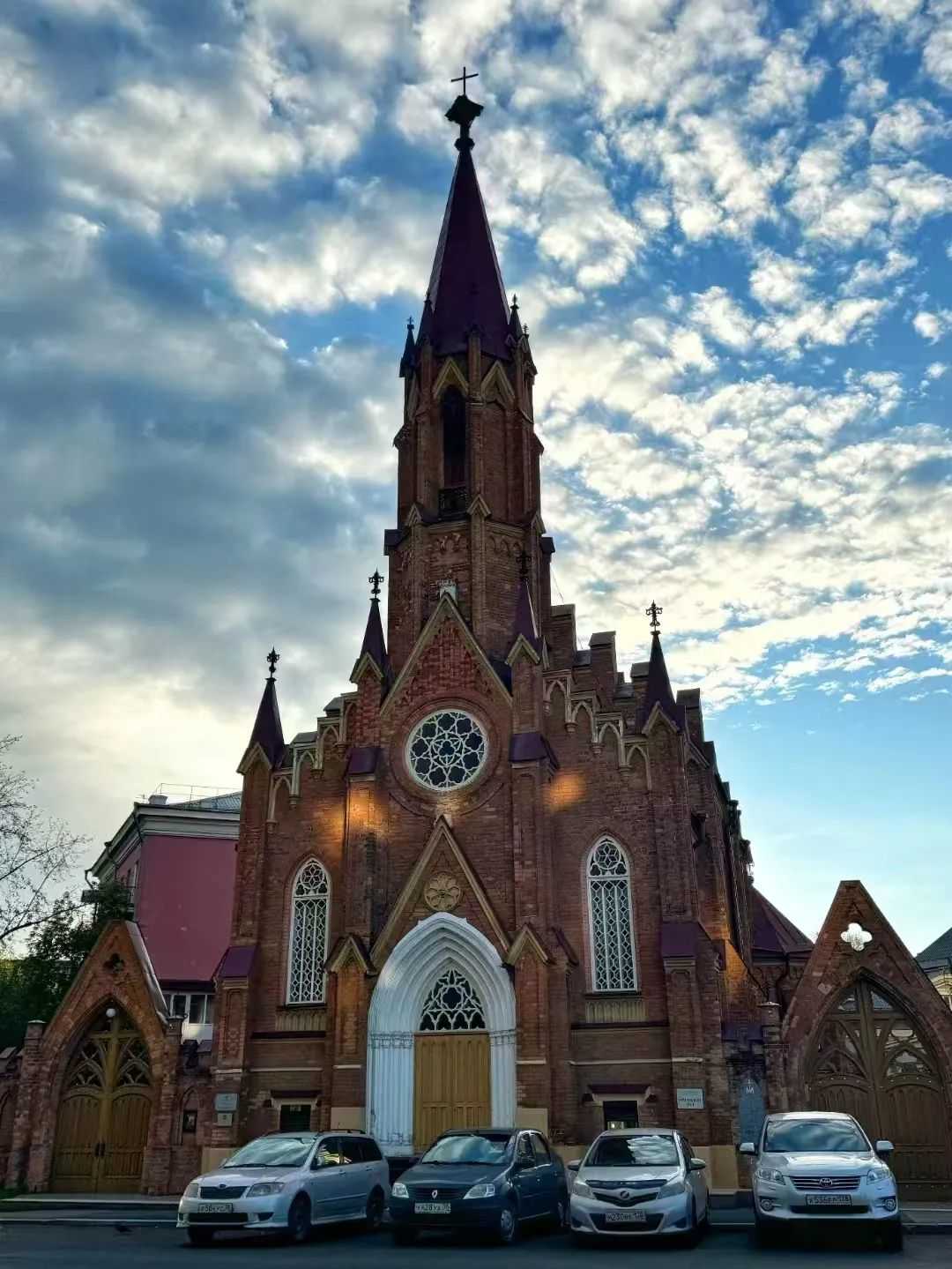
Russia's religious culture is dominated by Orthodox Christianity, whose influence is felt throughout all aspects of Russia and is one of the most important elements of Russian history and culture. Since ancient times, Russians have paid great attention to their religious beliefs, which has a thorough depth and connotation to the traditional Russian culture, especially in the fields of architecture, painting and music, such as the famous Church of the Savior in St. Petersburg, and the Golden Dome Cathedral in Moscow are all representatives of Orthodox architecture, in which people often gather together to pray for God's blessing and shelter.
In addition, Russian folk culture is also deeply influenced by religious culture. For example, Qingming Festival and Easter are grand Orthodox festivals, which are also an important part of Russian traditional culture.
Source: Images from the Internet, if there is any infringement, please contact the removal of
Food Culture
Russia's food culture is also very distinctive. The traditional Russian food culture has a lot to do with its climate and geography. Due to the cold climate in most parts of Russia, people usually eat high-calorie food to keep warm and provide energy. Traditional Russian cuisine is based on meat, dairy products and fish, of which the most representative is “Russian beet soup”, as well as “caviar”, “roast beef”, “Russian yogurt” and “Russian meat”. “Russian yogurt” and so on. Russian alcohol culture is also very colorful, such as “vodka”, “Kursk Brut” and so on.
In Russian culture, food and drink have a very high social etiquette. For example, in formal occasions, the arrangement of tableware, restaurant decorations, varieties of wine and so on need to follow specific rules and etiquette, which reflects the traditional concepts of Russian culture, which attaches importance to identity and respect.

Source: Images from the Internet, if there is any infringement, please contact the removal of
Social Etiquette
Russian social etiquette is equally distinctive. Respect is the most important etiquette in Russian socializing. For example, in formal situations, people strictly observe various rules and etiquette as a sign of respect and honor.
In addition, the quality of etiquette is crucial to the way Russians communicate and relate to each other, and politeness, friendliness, tolerance and respect are among the most important parts of Russian culture.

Source: Images from the Internet, if there is any infringement, please contact the removal of
Taboos to be aware of
As a country with many religious and traditional customs, Russia has many cultural taboos and taboos, which reflect the values and lifestyles of Russians.
First, etiquette taboos 1, the first meeting: the first acquaintance with the Russians may not ask each other private matters, not with them behind the back of the discussion of the 3rd, the women taboo ask age. 2, meet: the Russians general meeting is a handshake, handshake to take off the gloves. But for familiar people, they will warmly embrace each other. Handshake taboo form a cross shape, not in its upper and lower and then reach out, and can not lean on the threshold and across the door to shake hands. Do not directly address each other's names when talking to each other, to use honorifics. 3, greetings avoid asking: “where are you going” This is not a polite greeting, to the Russians, this is inquiring about other people's privacy.
4, the interaction: do not collide with each other with the shoulders, this behavior generally occurs only between close friends, otherwise, the body collision is extremely rude behavior. Avoid pointing with your hands, regardless of any occasion is so, the Russians believe that this is an insult to people. 5, guests: in Russia can not go empty-handed to other people's homes, a box of sugar, a box of cookies, casually bring some of what can be, the most important thing is the intention. When you are a guest, you should knock on the door first and get the host's permission before entering the house, you can't wear a hat after entering the house, you can't sit on the bed in the host's house; if the guest wants to smoke, you must ask the host's permission beforehand, especially when you visit your own relatives, you should not be late. 6, send flowers: never send someone an even number of flowers in Russia, because an even number of flowers can only be used for funerals. 7, loud speeches: it is not allowed to make a lot of noise in the public place or make radical speeches. Speak out in public.
Religious taboos: Don't wear revealing clothes or shoes in churches; women need to wear long skirts or pants, and men need to wear pants and shirts. 2. Don't smoke or talk about inappropriate topics in churches. 3. Don't interrupt the festivities during religious holidays. 4. Don't make a lot of noise or be disrespectful to the holy things in churches. 5. Don't sell or display goods that are not related to religion at the entrance of the churches. 6.
Exploring the culture, food and customs of Russia is undoubtedly a wonderful and enriching journey. In this vastly diverse country, you will find ancient traditions blending with modern life, tantalizing cuisine and delicacies, and enchanting customs and celebrations. The Russians are known for their warmth and hospitality, and their willingness to share their culture, food and traditions gives each visitor a deep sense of the country's charm.
Source: Images from the Internet, if there is any infringement, please contact the removal of