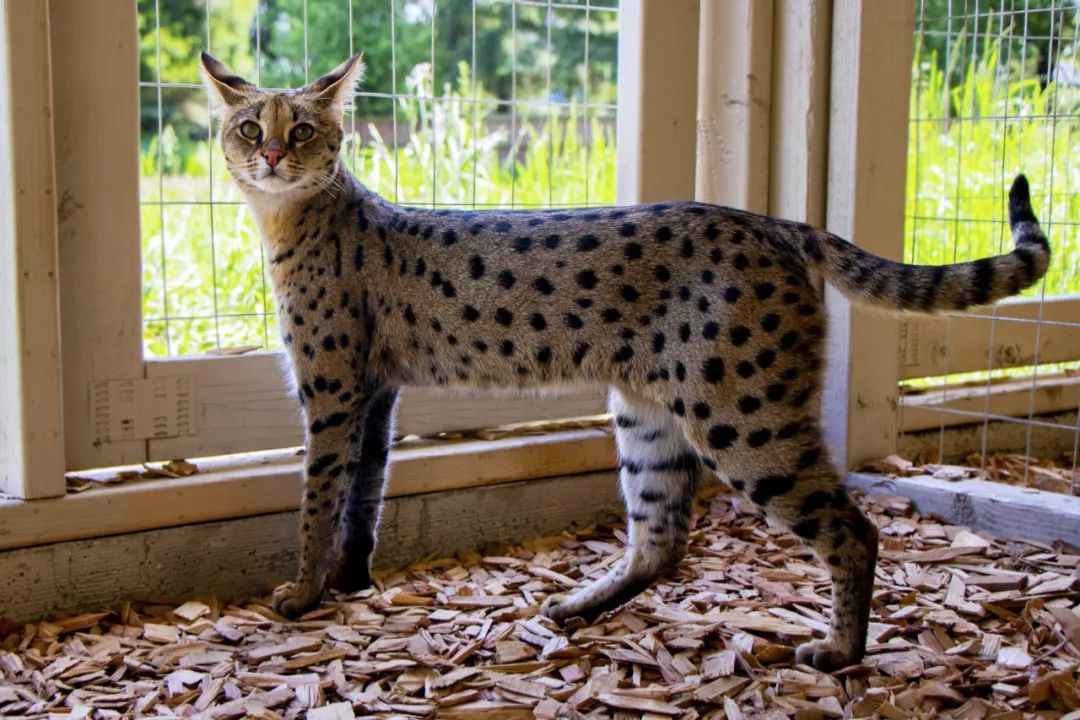
The Savannah cat, a captivating hybrid of the African serval and domestic cat, has captivated pet enthusiasts worldwide with its striking appearance and dynamic personality. Originating in the U.S. in 1986, this breed was officially recognized by The International Cat Association (TICA) in 2001, solidifying its place in feline history.
Aesthetic Grandeur and Athletic Prowess
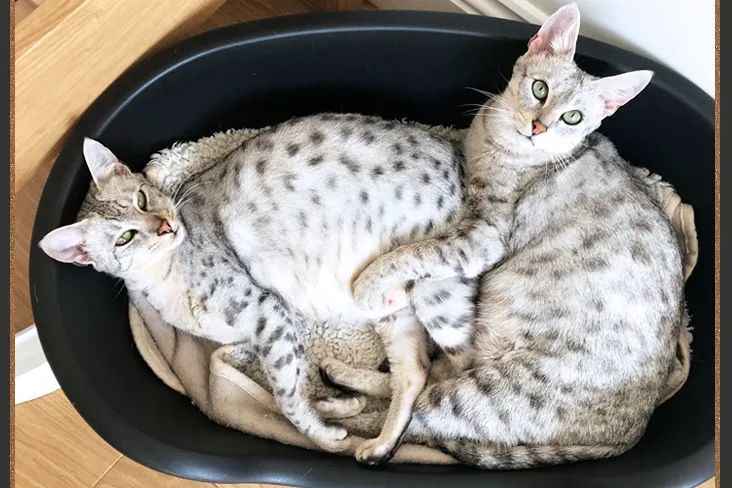
Savannahs are celebrated for their tall, lean frames, large upright ears, and bold spotted coats. The breed’s defining features—long legs, a slender neck, and distinctive “tear-streak” facial markings—echo their serval ancestry. F1 generation cats, with 50% serval genetics, can reach heights of 16-18 inches at the shoulder and weigh up to 25 pounds, while later generations (F4-F8) are smaller but retain the breed’s exotic allure. Their athleticism is legendary: they can leap over 6 feet horizontally and climb with unparalleled agility, making them a spectacle in any home.
Source: Images from the Internet, if there is any infringement, please contact the removal of
Temperament and Lifestyle Needs
Despite their wild appearance, Savannahs are known for their dog-like loyalty and sociability. They thrive on human interaction, often greeting owners at the door and following them room-to-room. However, their high energy levels demand daily mental and physical stimulation—think puzzle toys, climbing structures, and even leash walks. While they generally coexist well with children and other pets, early socialization is key to nurturing their gentle nature.
Costs and Legal Considerations
Owning a Savannah is a significant investment. F1 kittens can fetch between $15,000 to $25,000 due to their rarity and wild lineage, while F5-F8 cats range from $1,500 to $5,000. Adoption fees for older cats or rescues are lower, typically $150-$500. Prospective owners must also navigate legal complexities: while legal in most U.S. states, F1-F3 generations are banned in Hawaii, Georgia, and parts of Texas, with permits required in Delaware and New Mexico. In China, ownership is heavily restricted due to crossbreeding regulations.
Source: Images from the Internet, if there is any infringement, please contact the removal of
Health and Longevity
Savannahs enjoy a lifespan of 12-20 years but are prone to genetic conditions like pyruvate kinase deficiency (PKD), progressive retinal atrophy (PRA), and hypertrophic cardiomyopathy (HCM). Reputable breeders conduct DNA testing to screen for these issues. A diet rich in high-quality protein and regular veterinary checkups are essential to maintain their health.
Cultural Impact and Celebrity Appeal
Celebrities like Justin Bieber and Hailey Baldwin have fueled the breed’s popularity, with their $35,000 F1 kittens garnering media attention. However, experts stress the importance of responsible ownership, highlighting that Savannahs require dedicated care and space to thrive.
As demand grows, breeders and conservationists emphasize ethical practices to preserve the serval’s genetic integrity while meeting consumer desires. For those prepared to invest time, resources, and love, the Savannah cat offers a one-of-a-kind companionship experience that bridges the wild and the domestic.