Scottish Fold Longhair: The Graceful Aristocrat of the Pet World and the Health Concerns Behind Its Unique Genes


Feline News
Scottish Fold Longhair: The Graceful Aristocrat of the Pet World and the Health Concerns Behind Its Unique Genes

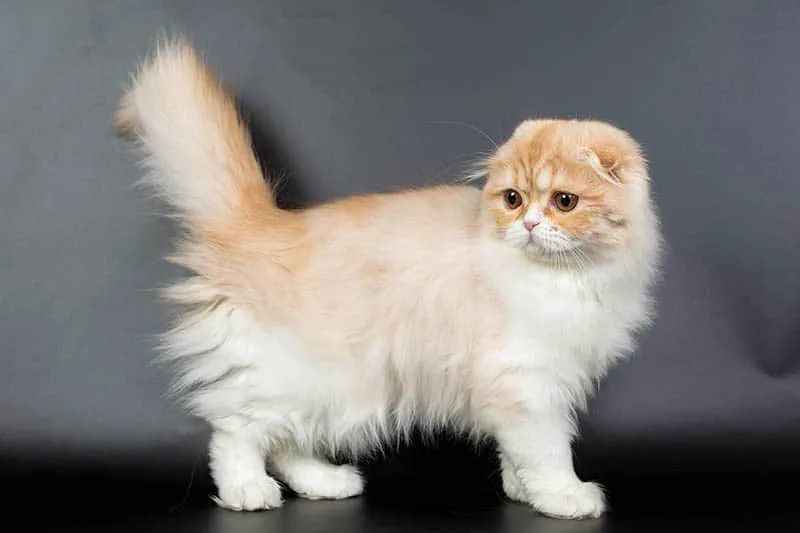
The Scottish Fold Longhair has become a globally adored "healing" pet with its iconic folded ears and luxurious long fur. However, the breed's genetic uniqueness has also drawn sustained attention from international animal welfare organizations. This article delves into its origin, characteristics, and health management essentials, providing scientific insights for prospective owners.

History and Breed Origins
In 1961, the first Scottish Fold cat named "Susie" was born on a farm in Perthshire, Scotland. Its distinctive folded ears resulted from a natural genetic mutation. After decades of breeding, the long-haired variant was officially recognized by The International Cat Association (TICA) in the 1980s. Notably, Scotland itself has not recognized the breed due to concerns about genetic defects.


Physical Traits and Temperament


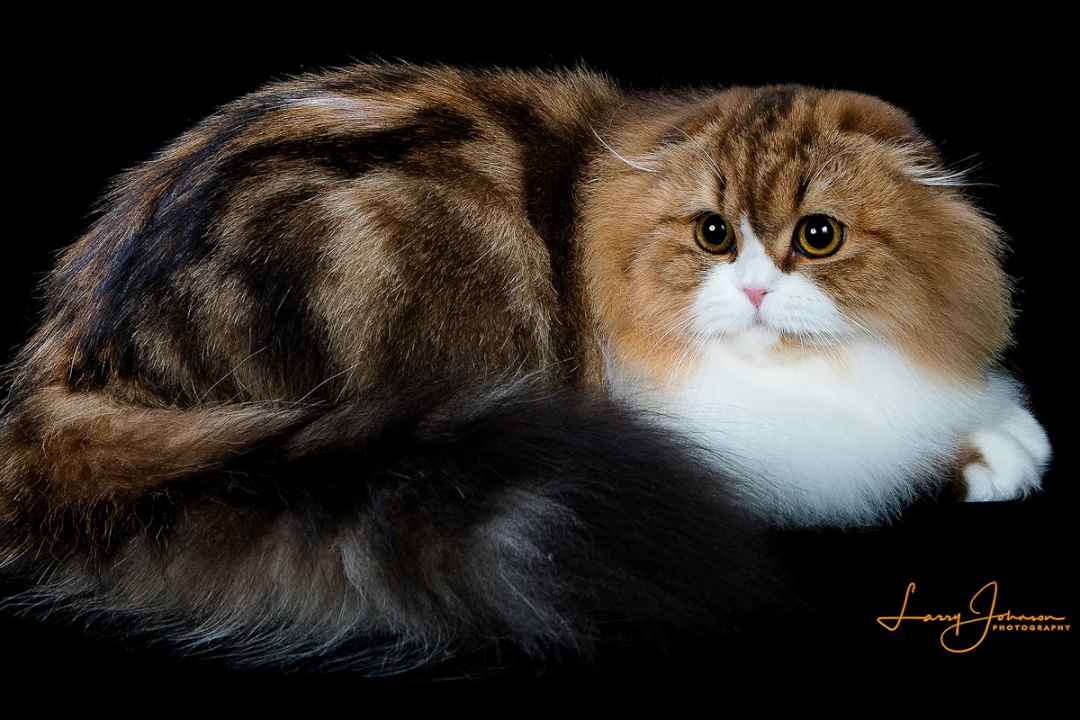
  • Appearance Highlights: A round face paired with forward-folding ears creates an "owl-like" innocent gaze. The medium-length coat is soft and comes in over 20 color variations, including silver shaded and blue-white bi-color.
  • Personality Traits: Renowned for their and affectionate nature, they are often described as "shadow cats." Their moderate activity level suits apartment living, though 15-20 minutes of daily playtime is recommended to maintain vitality.


Key Health Management Points
The cartilage dysplasia gene (Fd gene) in Scottish Folds is the root of health risks, potentially leading to:


  1. Skeletal Disorders: Approximately 30% of individuals develop joint pain and tail stiffness after 3-5 years, with severe cases requiring surgical intervention.
  2. Ear Infections: The folded structure traps debris, necessitating weekly cleaning with veterinary-approved ear solutions.
  3. Obesity Risk: Strict diet control is essential, with high-protein, low-carbohydrate diets and daily caloric intake of 200-250 kcal.
 

Source: Images from the Internet, if there is any infringement, please contact the removal of


Professional Care Recommendations


  • Medical Care: Bi-annual blood tests and X-rays are advised to monitor limb joints and spinal health.
  • Environmental Adjustments: Provide non-slip rugs and low cat trees to reduce jumping impact. Daily grooming is needed in summer to prevent hairballs.
  • Behavioral Observation: Immediate veterinary consultation is required if abnormal gait, appetite loss, or excessive grooming occurs.


International Controversy and Ethical Discussions
While organizations like TICA have established breeding standards (e.g., animal welfare groups advocate halting commercial breeding. In 2023, the UK's Governing Council of the Cat Fancy (GCCF) removed Scottish Folds from registered breeds, emphasizing a "health over appearance" philosophy.


Conclusion
The Scottish Fold Longhair's healing appearance and affectionate personality make it an ideal family companion. However, prospective owners must fully understand the health challenges posed by genetic defects. Through scientific care and regular medical intervention, these "folded-ear elves" can enjoy a high-quality life.
Latest Stories
Travel News2 minute readNestled in the French Pre-Alps, the Plateau du Vercors stands as a testament to nature’s raw power and humanity’s indomitable spirit. Rising abruptly from the valleys of Isère, this limestone plateau—dominated by peaks like Grand Veymont (2,346 meters)—features sheer cliffs and labyrinthine gorges that earned it the nickname "the Natural Great Wall". Its dramatic landscapes, shaped over millennia by erosion, have not only sculpted a geological marvel but also forged a theater of historical significance.
Cultural News1 minute readSpain’s tomato-throwing "La Tomatina" is wildly popular, but for those who prefer hurling something tangier, head to Italy in February. At the Ivrea Carnival, thousands of ripe oranges are pelted in a juicy battle during the festival’s highlight.
Cultural News1 minute readIn Wuppertal, Germany, there’s a pedestrian bridge that looks like it’s built from giant Lego bricks. Though it’s actually a concrete structure, artists have painted it to mimic the iconic toy blocks, creating a playful optical illusion.
Feline News2 minute readThe European Burmese cat, a breed born from careful crossbreeding in mid-20th century Europe, has captivated cat enthusiasts with its elegant physique and affectionate nature. Originating from the American Burmese stock imported to the UK, European breeders sought to diversify the gene pool by introducing Siamese and British Shorthair bloodlines, resulting in a distinct feline with refined features. Recognized by major associations like the CFA since 2002, this breed stands out for its sleek, muscular build and striking golden or amber almond-shaped eyes, which contrast sharply with the rounde
Feline News2 minute readIn recent years, the Scottish Fold cat has become an internet sensation, celebrated for its distinctive folded ears and owl-like appearance. However, behind the adorable facade lies a dark reality rooted in genetic abnormality and ethical debate. This breed, born from a spontaneous mutation in a Scottish barn cat named Susie in 1961, has sparked global controversy over its health implications and breeding practices.
Feline News1 minute readOriginating from a spontaneous genetic mutation in 1950, the Cornish Rex emerged in Cornwall, England, when a cream-colored kitten named Kallibunker was born with a dense, wavy coat resembling a lamb’s fleece1. Recognizing its uniqueness, owner Nina Ennismore collaborated with geneticists to establish the breed. Due to the recessive nature of the mutation, breeding two Cornish Rex cats guarantees curly-coated offspring13.
Health News1 minute readOn June 30, FBI Deputy Director Dan Bongino announced the dismantling of the largest healthcare fraud case in U.S. history, with revised to $14.6 billion. The investigation covered all 50 federal districts, indicting 324 individuals—including 96 medical practitioners—and seizing $245 million in assets.